Wire cross-section
Specify conductor size in mm² or AWG and conductor construction. Insulation colour alone is not a size specification.

Languages Coming soon
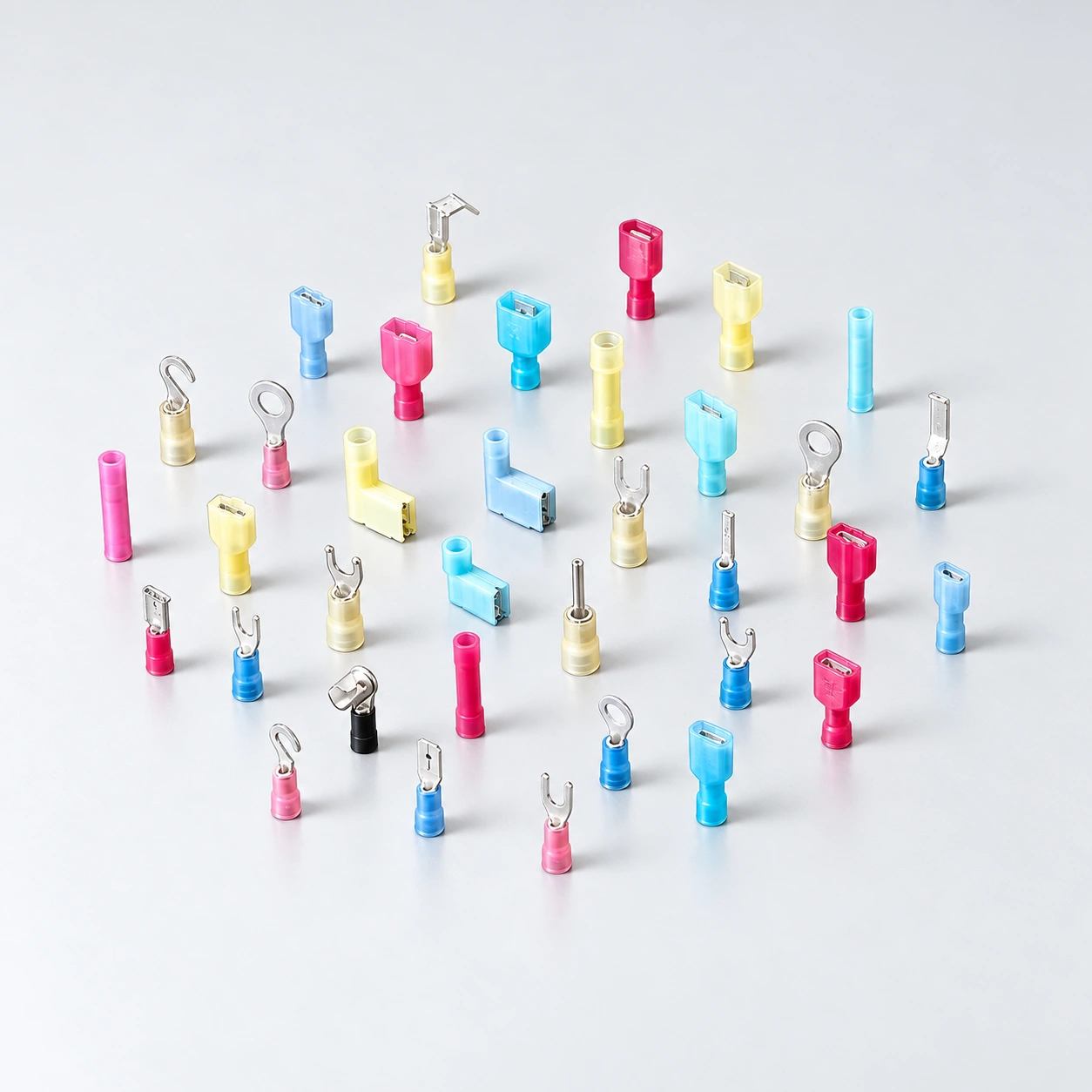
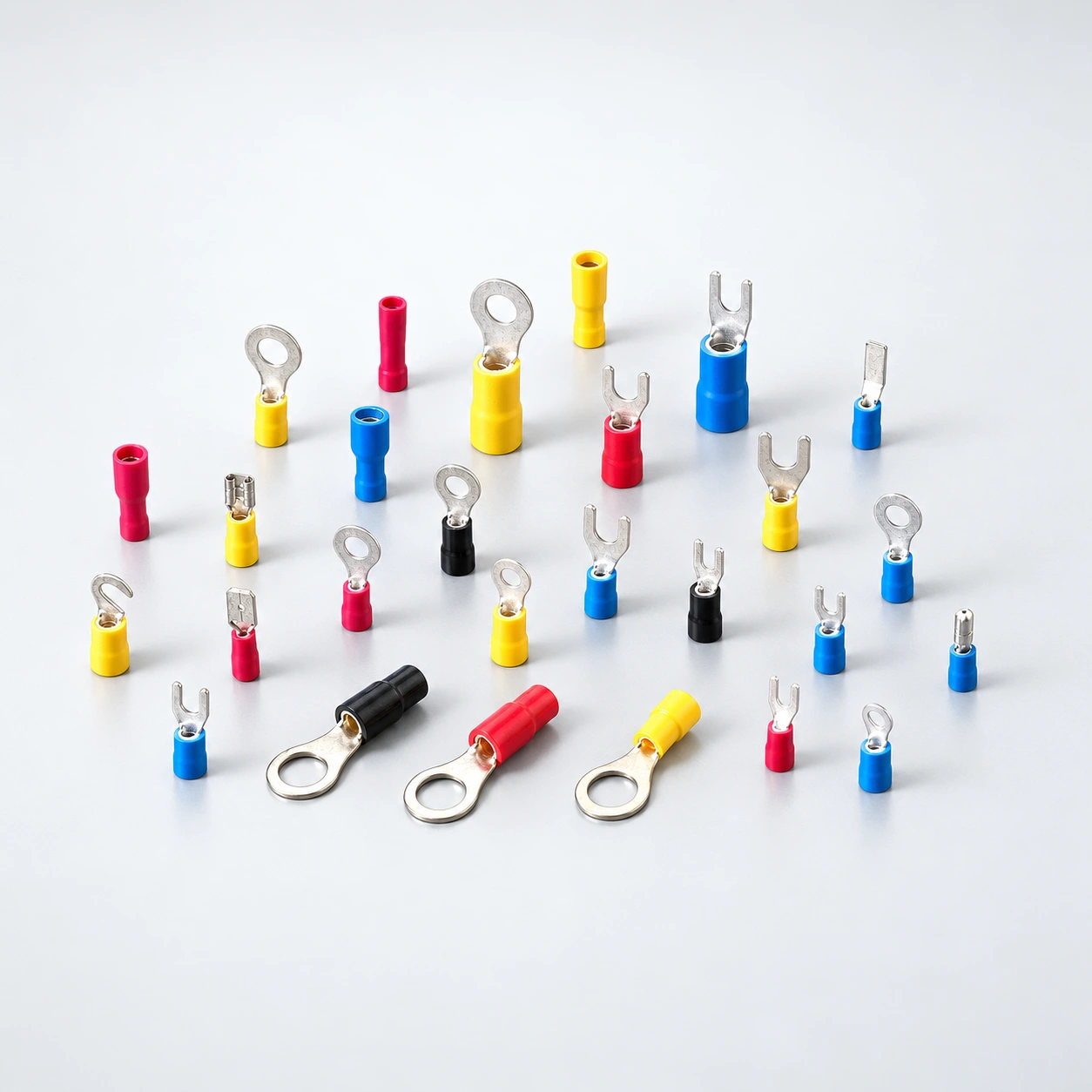
PVC-insulated, nylon-insulated and non-insulated crimp terminals, with heat-shrink splices, wire ferrules and closed-end connectors. Build your order around the wire size and the connection it needs to make.
| Product family | What to specify | Check before ordering |
|---|---|---|
| PVC-insulated terminals | Model, wire cross-section and connection shape | Stud or mating dimensions; insulation and crimp construction |
| Nylon-insulated terminals | Model, wire range and single- or double-crimp construction | Mating dimensions, insulation support and matching tooling |
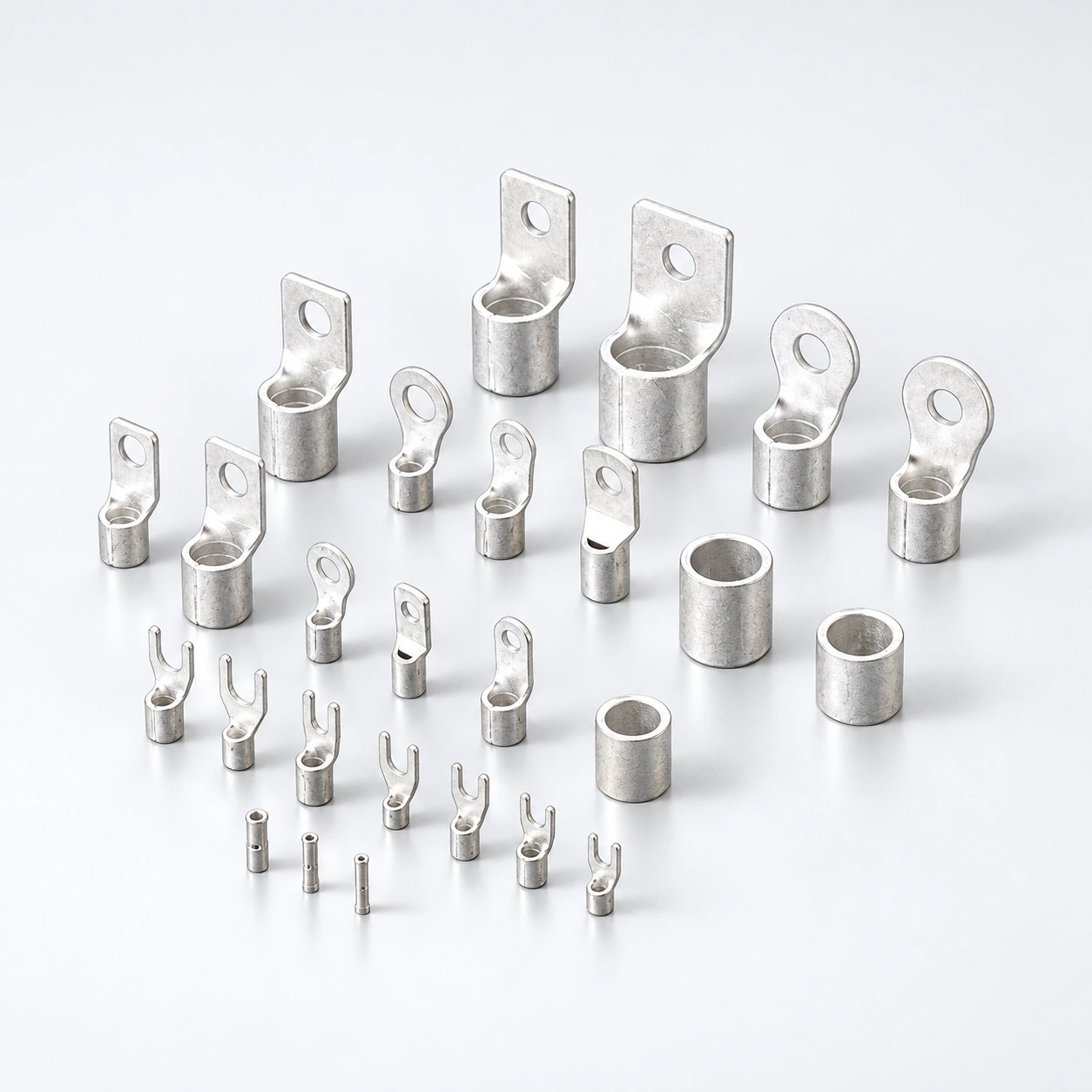
| Non-insulated terminals | Terminal shape, wire range and barrel dimensions | Clearance, required insulation and installation method |
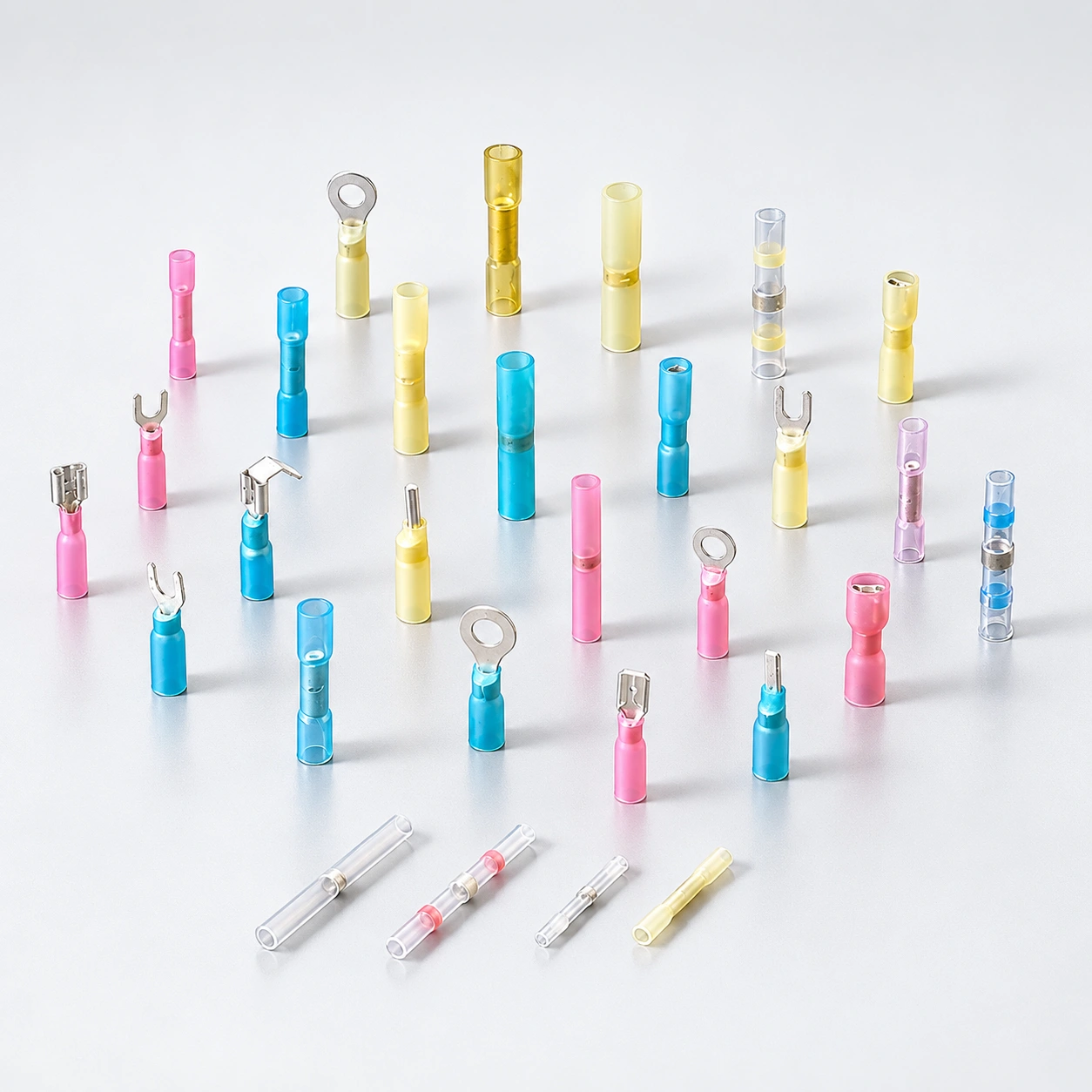
| Heat shrink terminals & splices | Crimp or solder-seal connection; wire range | Heating instructions and model-specific sealing information |
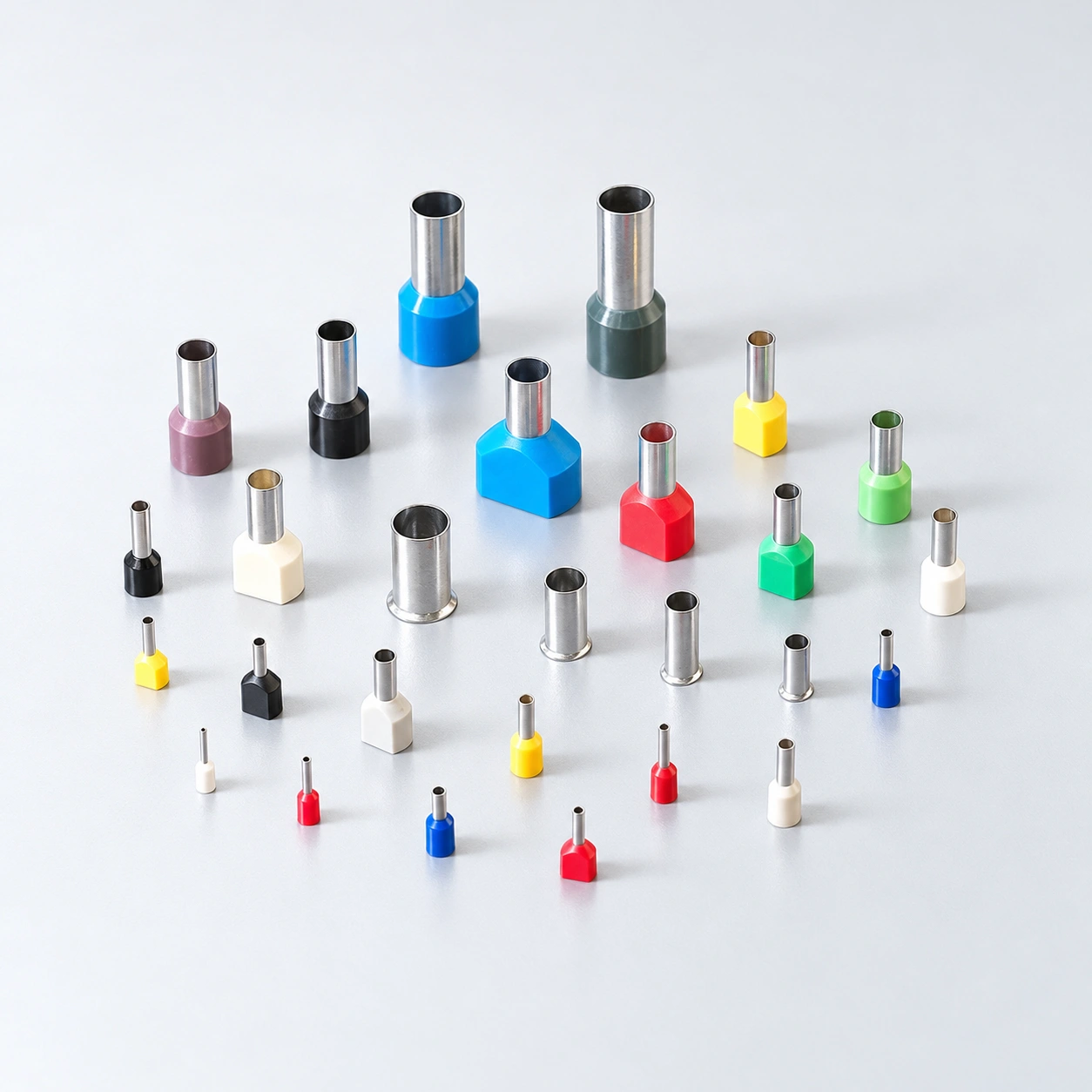
| Wire ferrules | Single or twin wire; cross-section and sleeve length | Terminal-entry dimensions and accepted crimp profile |
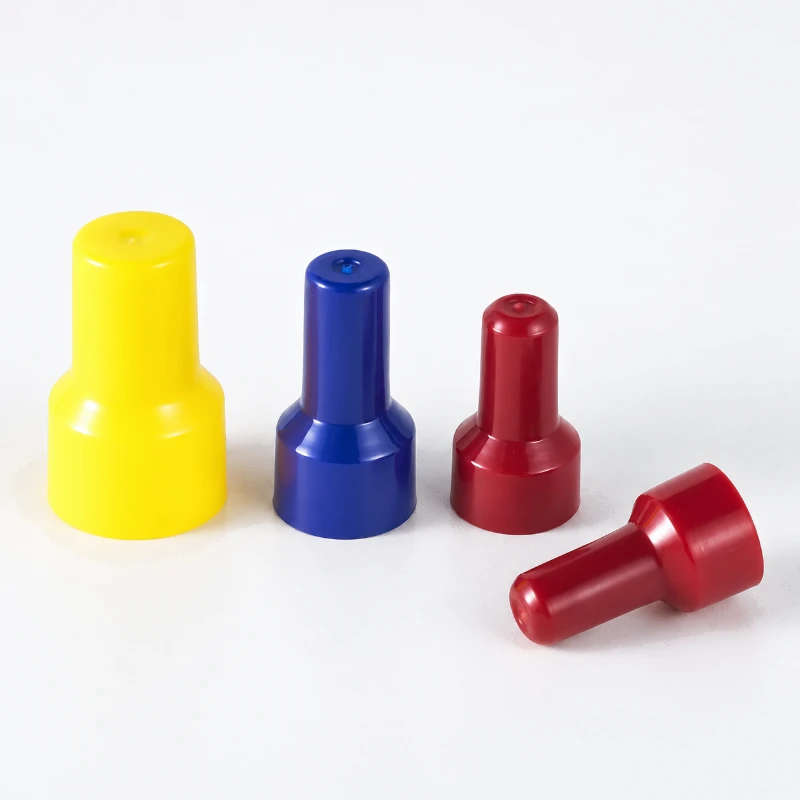
| Closed-end connectors | Number and sizes of conductors to be joined | Permitted wire combination and specified crimp tool |
Specify conductor size in mm² or AWG and conductor construction. Insulation colour alone is not a size specification.
For rings and forks, check the stud size. For disconnects, check tab width and thickness. For pin and blade terminals, confirm the mating entry.
Match the terminal barrel to the specified tool and die. Review stripping length, insulation support and the equipment installation instructions.
Send models, wire sizes, mating dimensions and quantities. Include your packing and labelling requirements.
Prepare an enquiryAgree the exact model and inspection requirements before procurement. Match supporting documents to the product you are buying.
Confirm the model drawing, conductor range, sleeve or barrel dimensions, metal finish and insulation specification.
Request the applicable preparation and crimping instructions. Agree tooling and any connection-test requirements for the intended assembly.
Specify required standards, model-specific evidence, batch identification and label information in your purchasing brief.
OEM & PACKING
Build a purchasing brief around the models your customers use. Send your artwork and packing requirements for review.
List the sizes, colours and quantity of each model required in the pack.
Specify model references, size information, barcodes and brand artwork.
Define individual packs, assortment layouts and outer-carton quantities.
This range focuses on small wiring terminals, disconnects, splices and ferrules. Our Cable Lugs range covers cable termination and connecting sleeves. Choose by the conductor and connection requirements, not the family name alone.
Start with the exact terminal specification, installation environment and crimp construction. Review the model’s material and temperature data rather than assuming every nylon or PVC product has the same performance.
Fork and spade commonly describe the open-ended stud connection shape. Confirm the drawing, stud opening and dimensions because naming alone does not establish interchangeability.
No. Use the model and specified conductor range. Colours can differ between product families and coding systems. Confirm the required colour in the order as a separate detail.
No. The range includes crimp terminals and splices, plus separate solder-seal splice products. Follow the installation method specified for the selected series.
Send the model list, quantity per size, pack quantities and artwork. We will review the assortment, packaging scope, sample needs and commercial terms for your order.