
Conductor type & size
Specify solid, stranded or fine-stranded conductors and the cross-section for each entry. Follow the listed preparation and strip length; do not assume ferrules are required or permitted for every model.
Lever, push-in and lighting wire connectors for joining conductors in electrical assemblies. Compare compact splicing, inline and mounted formats, then match the conductor type, circuit arrangement and exact model to your installation.
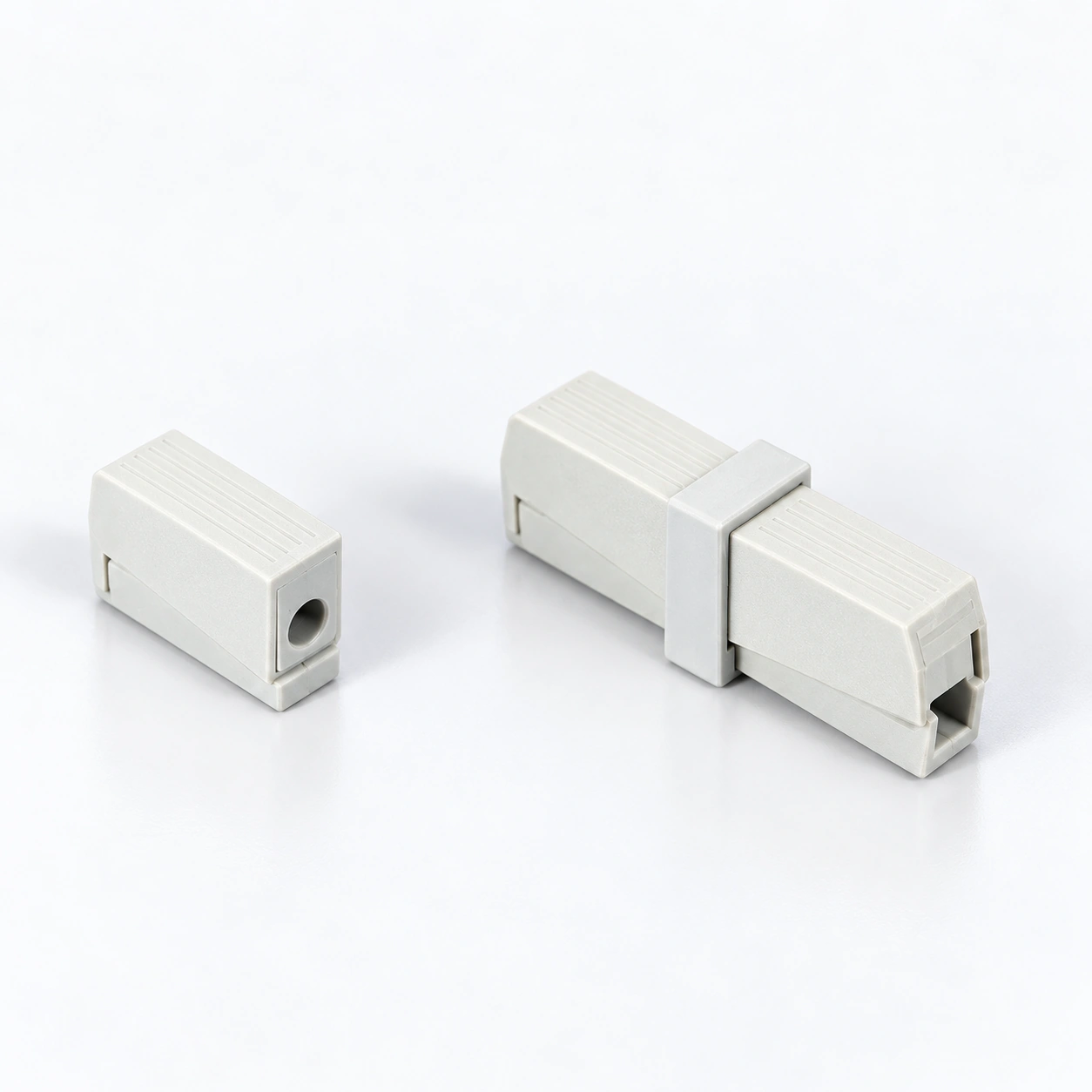
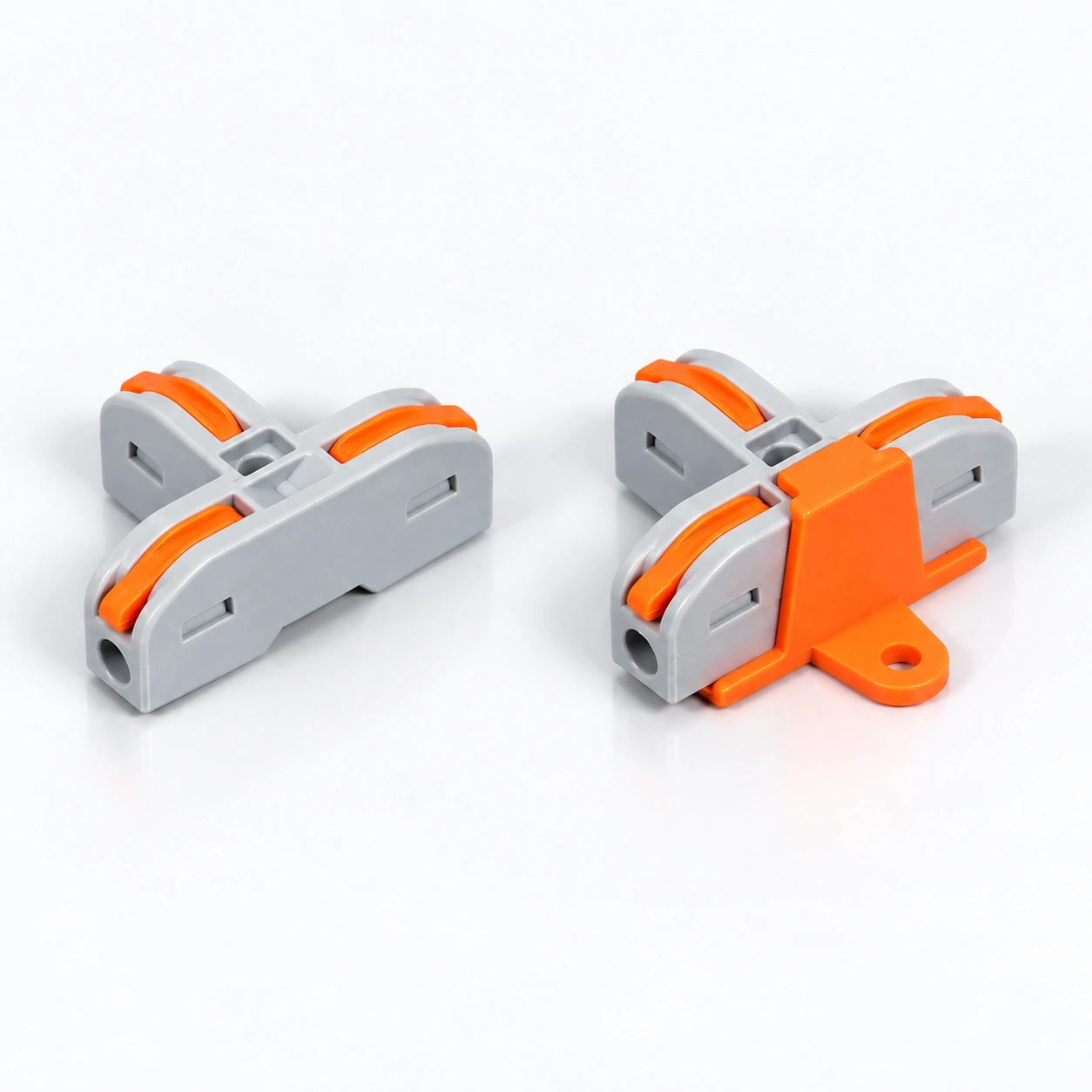
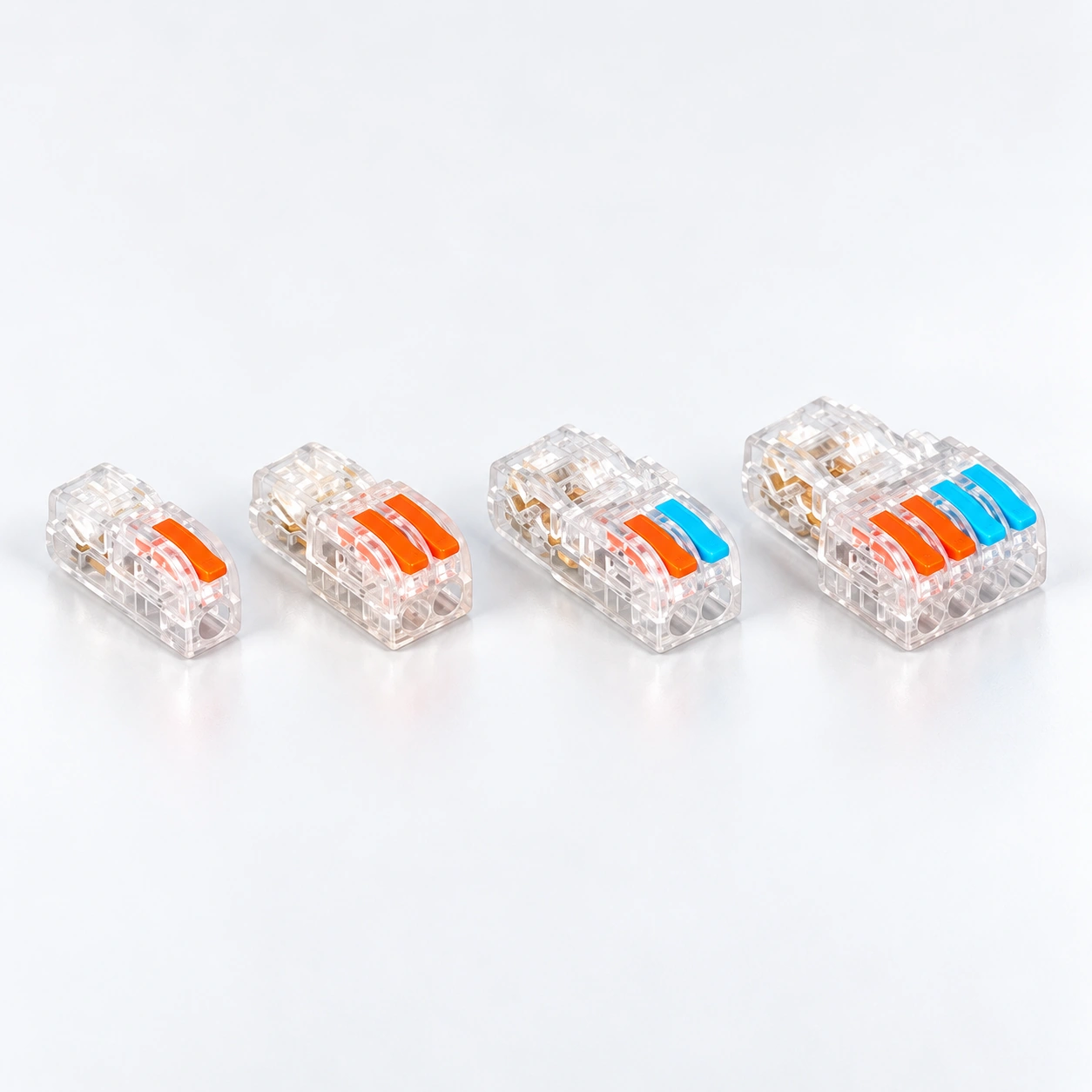
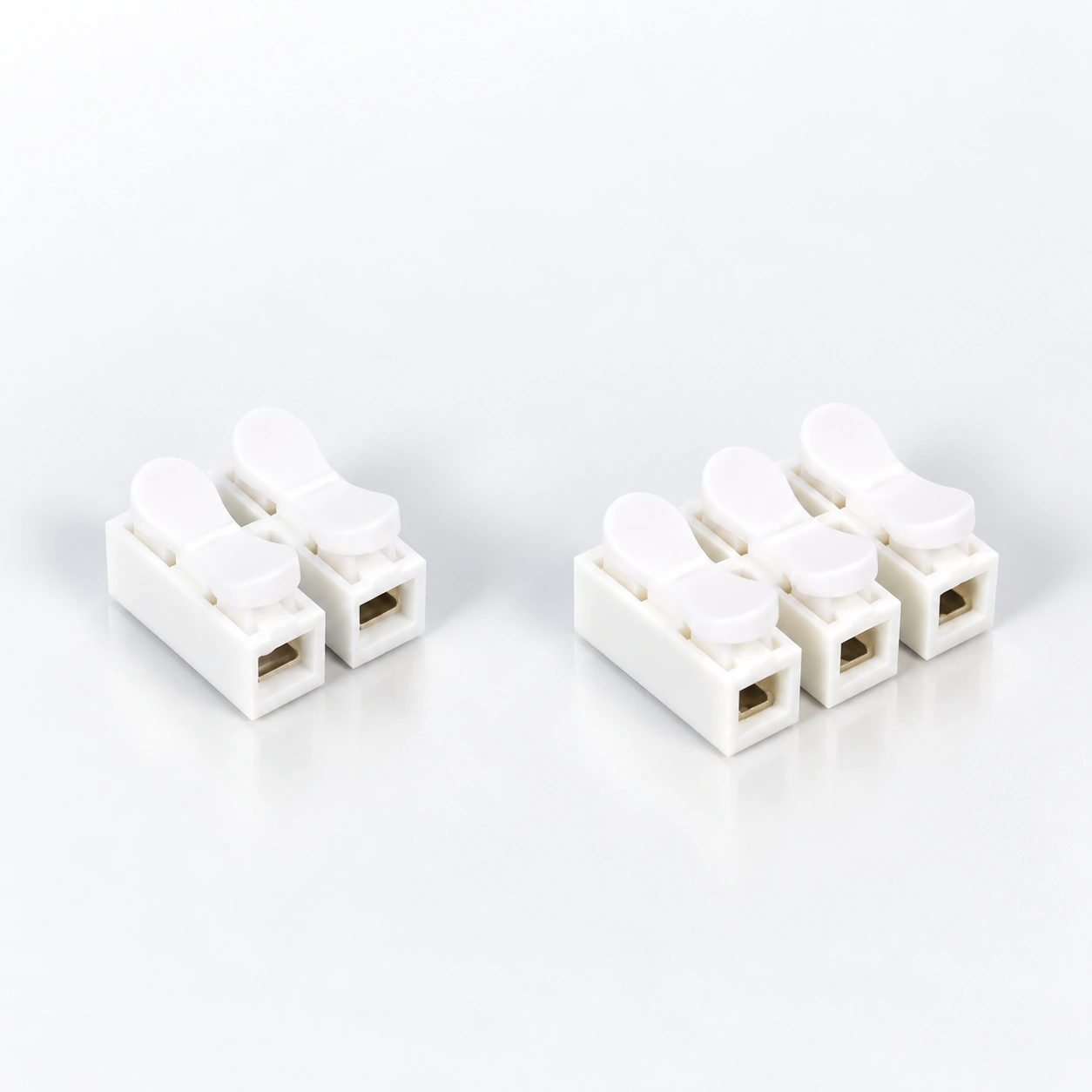
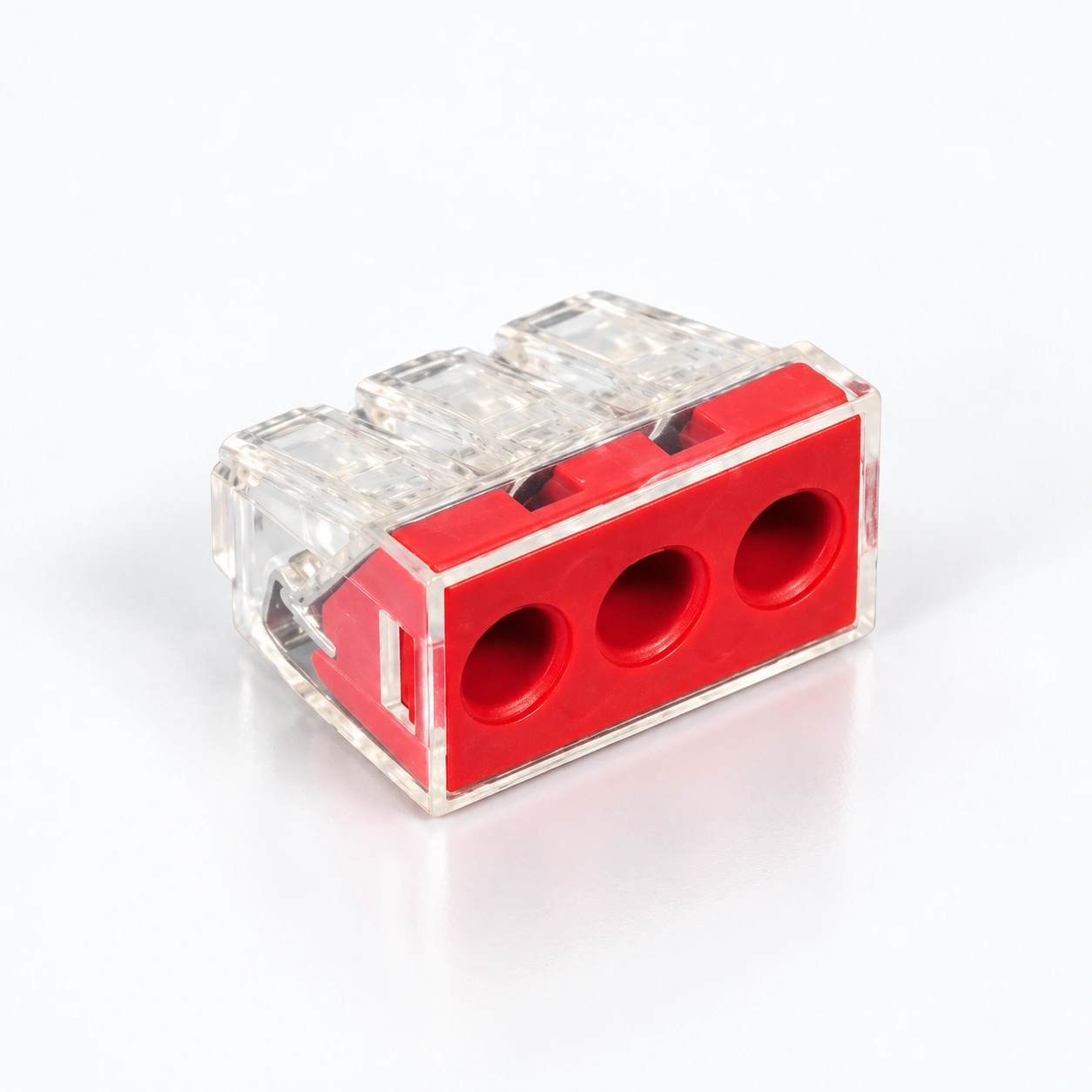
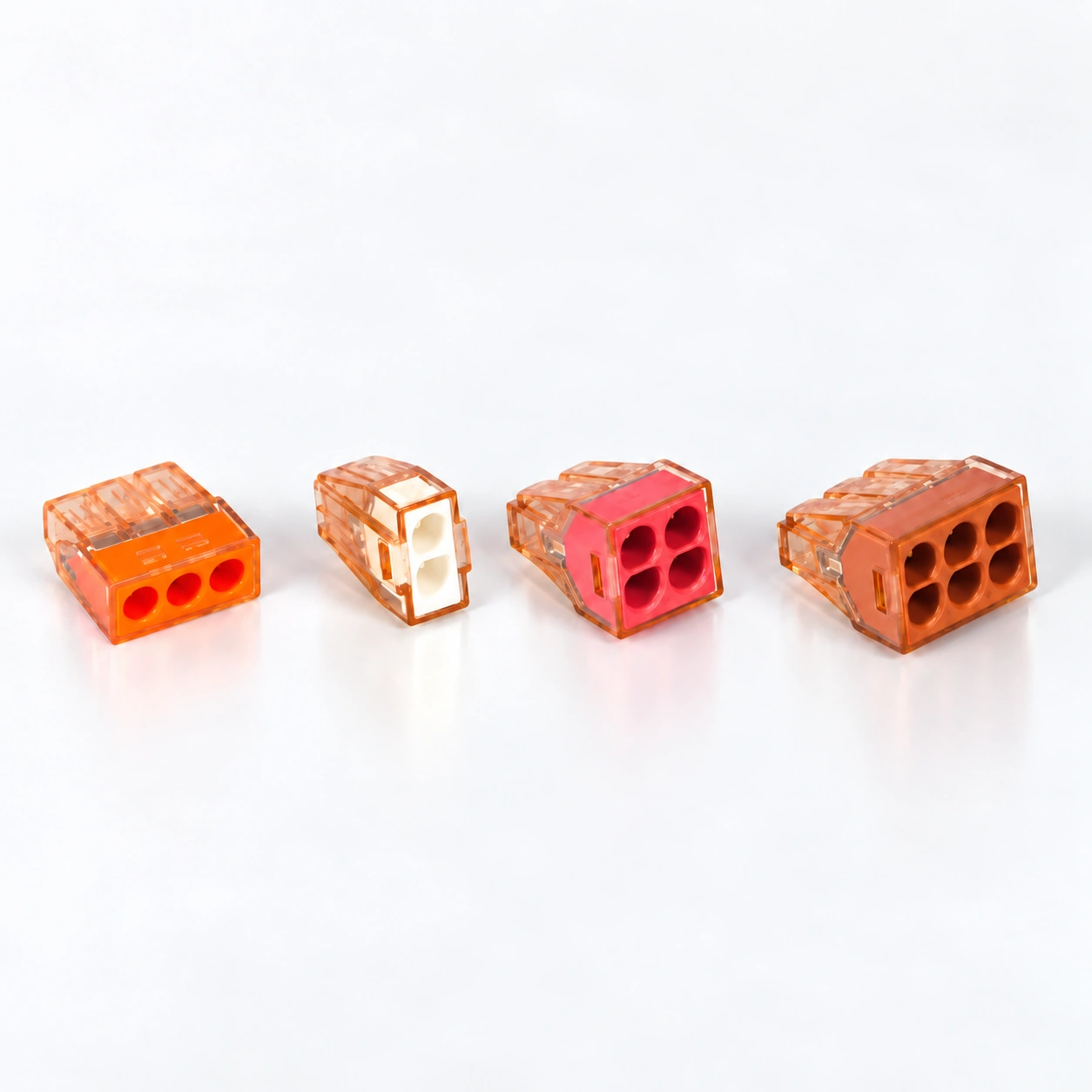
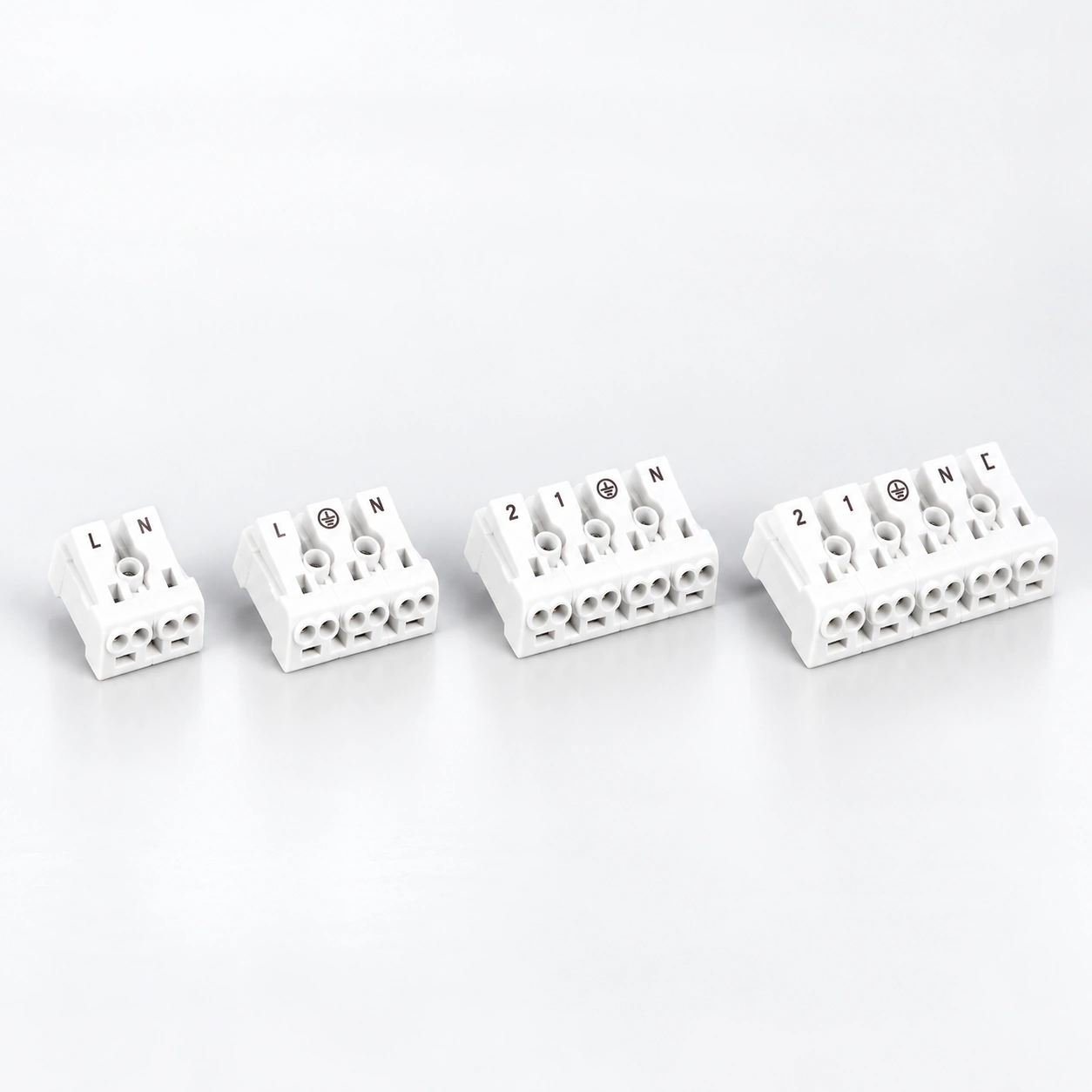
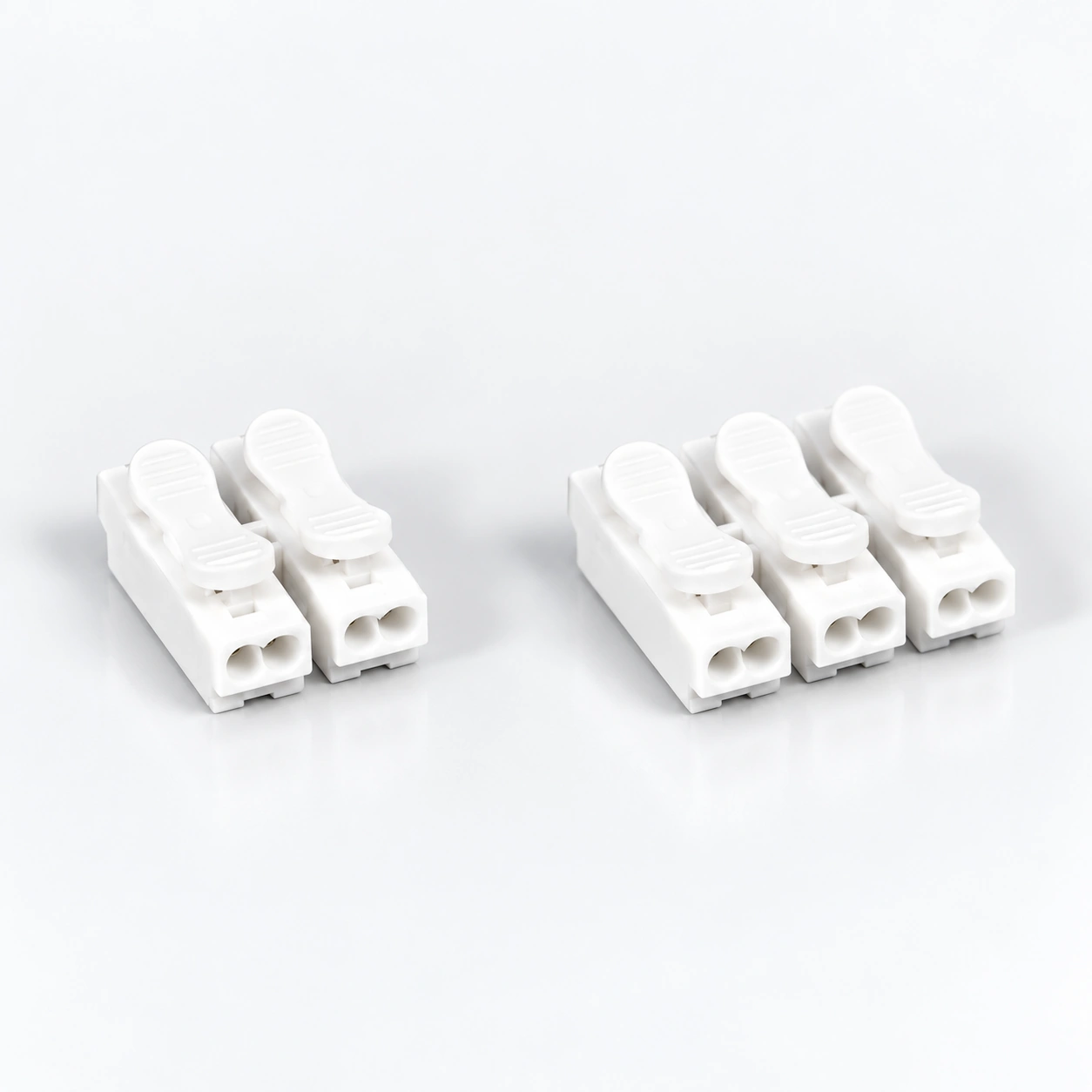
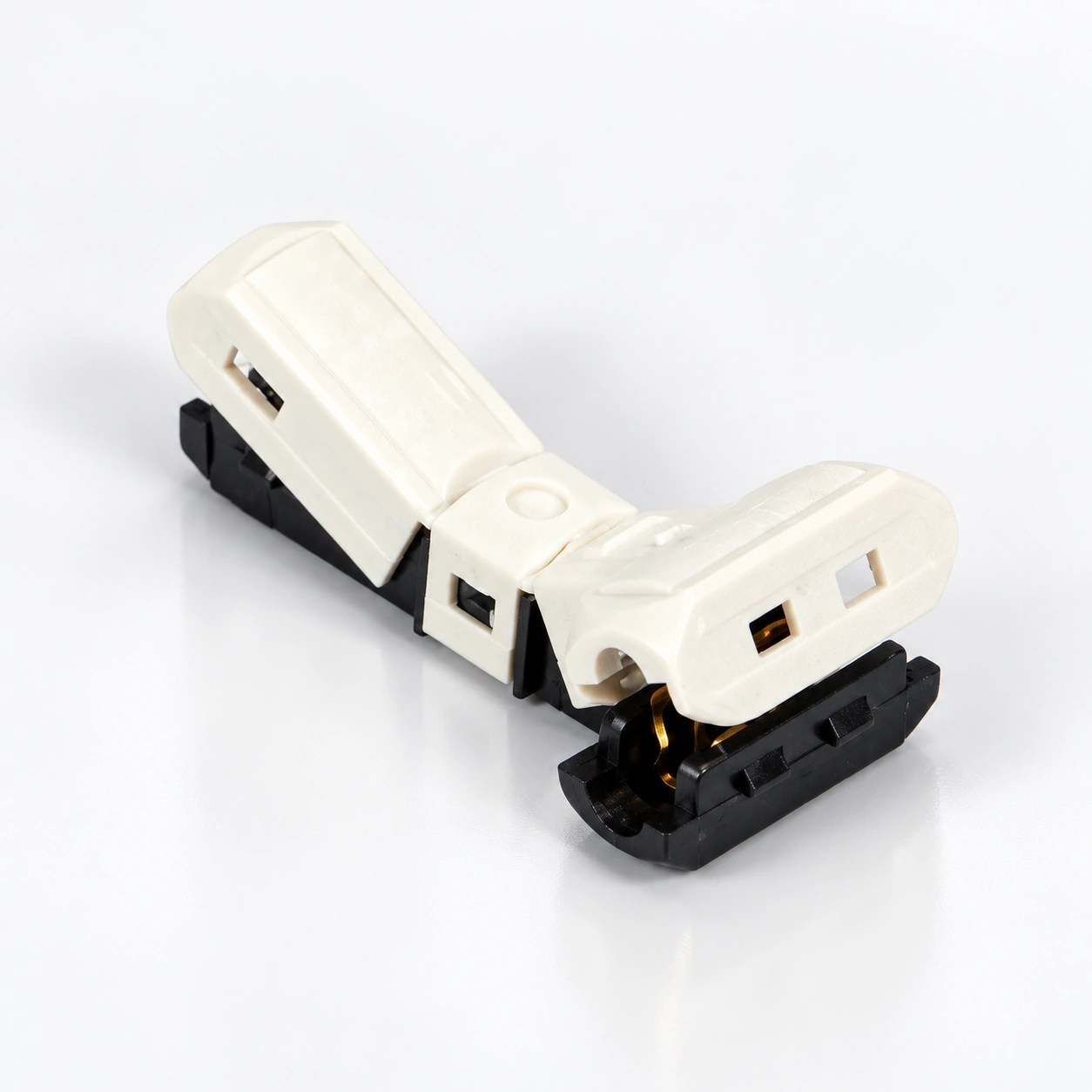
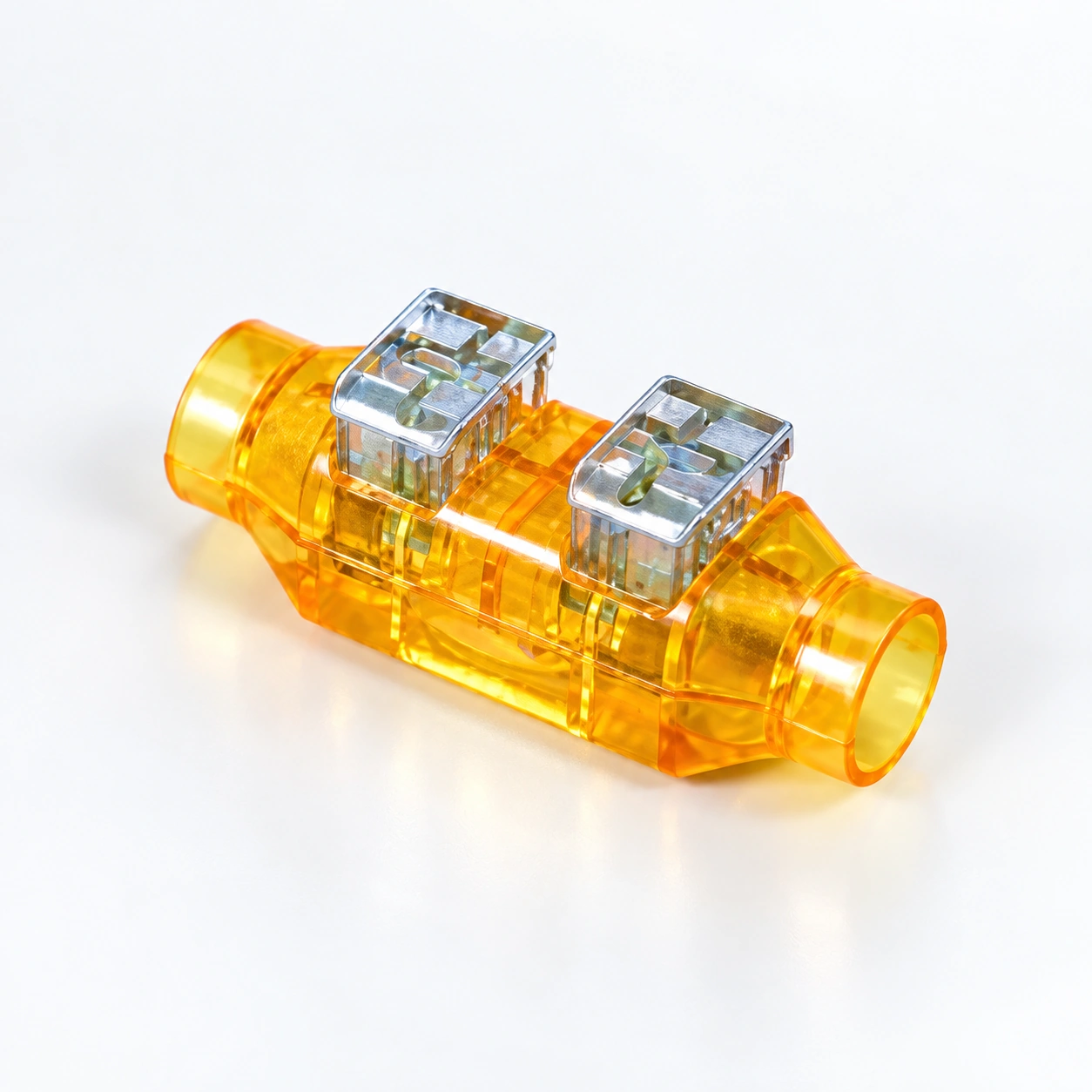
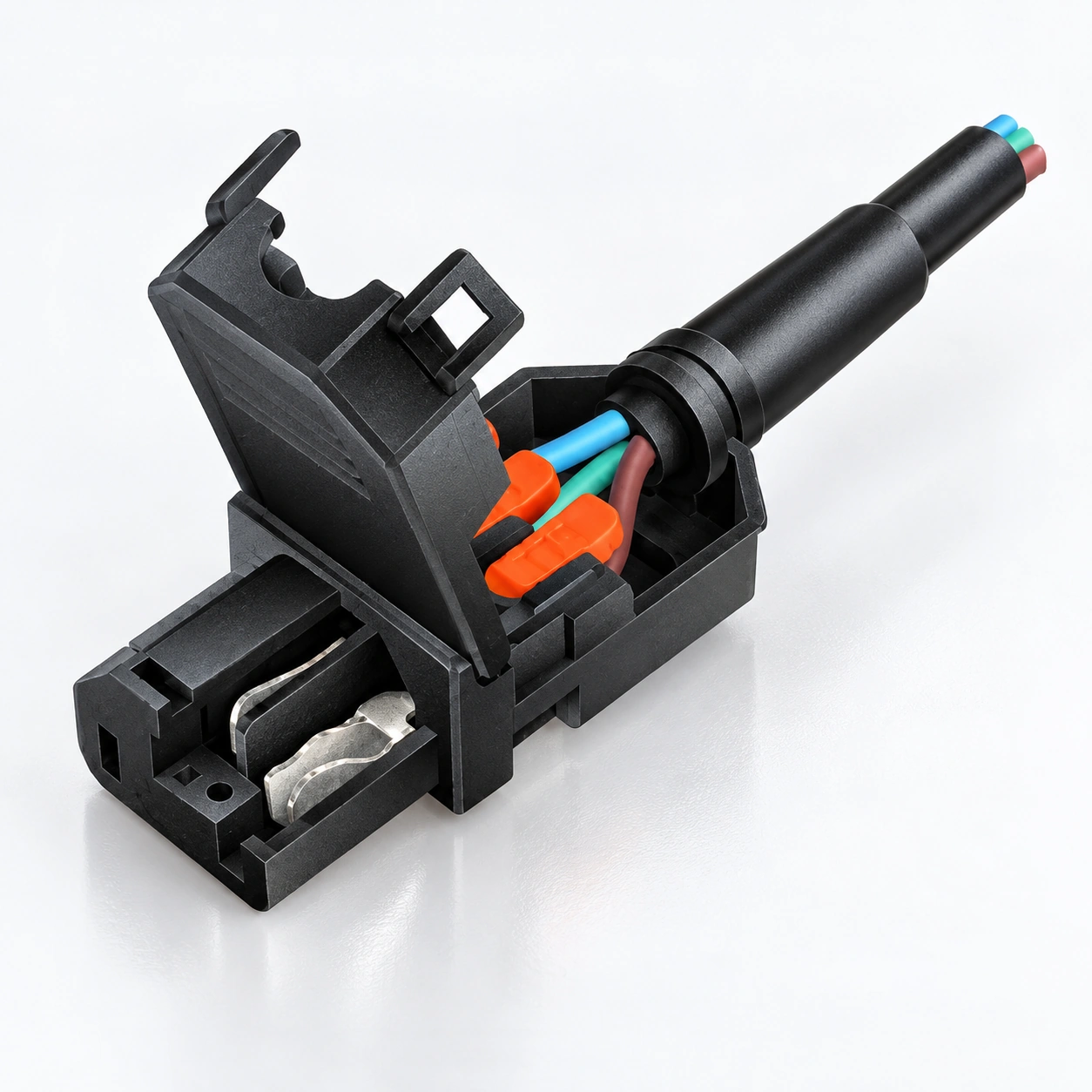
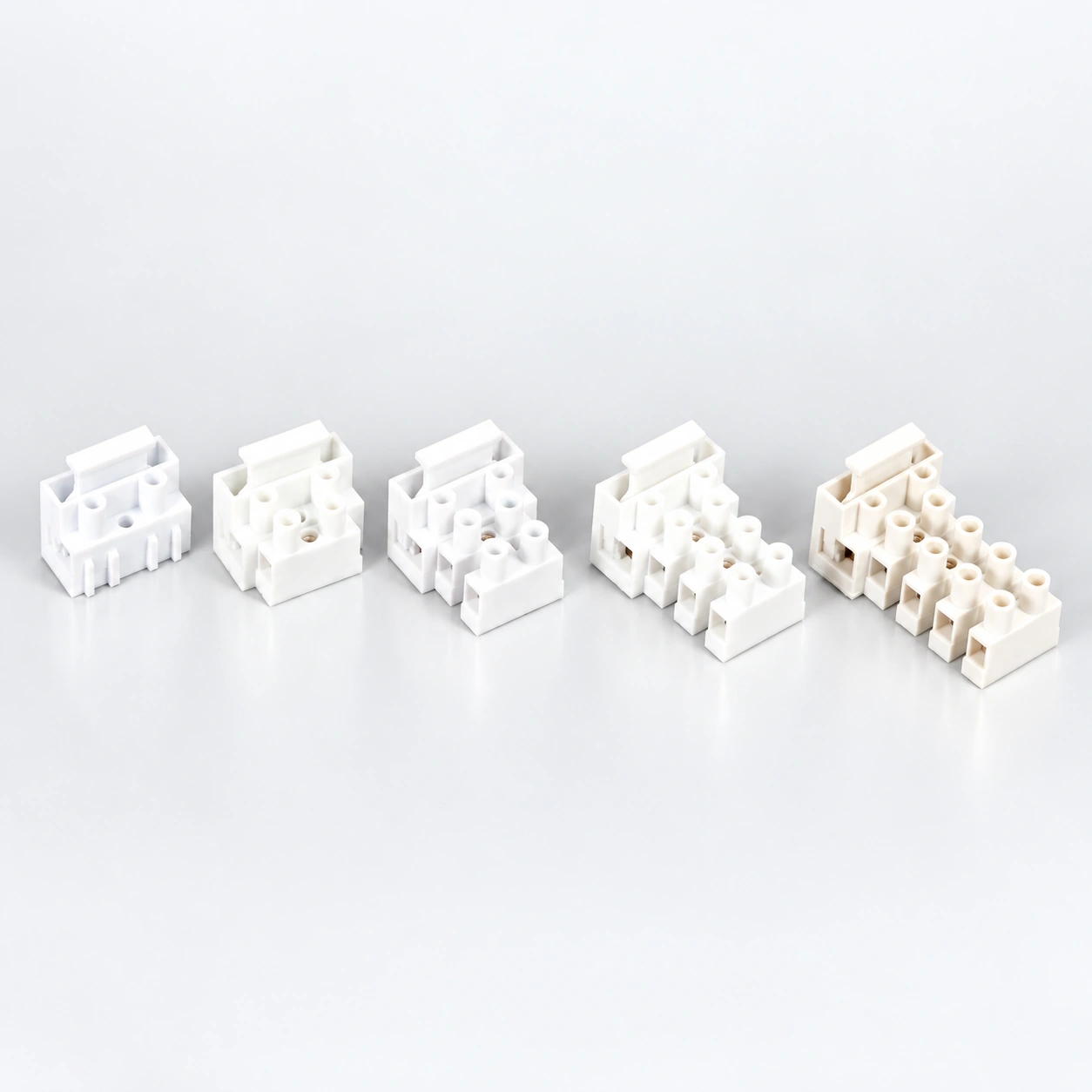
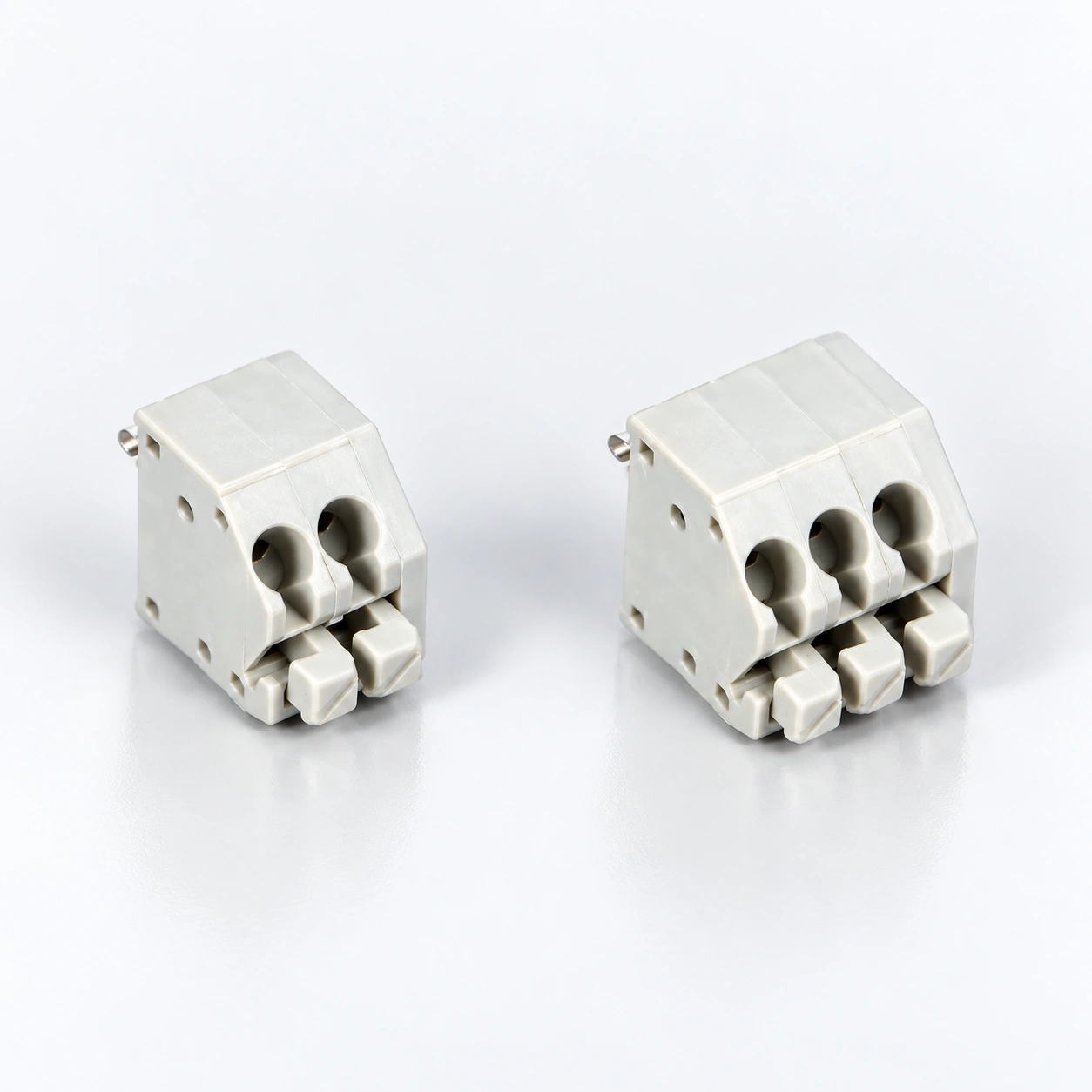
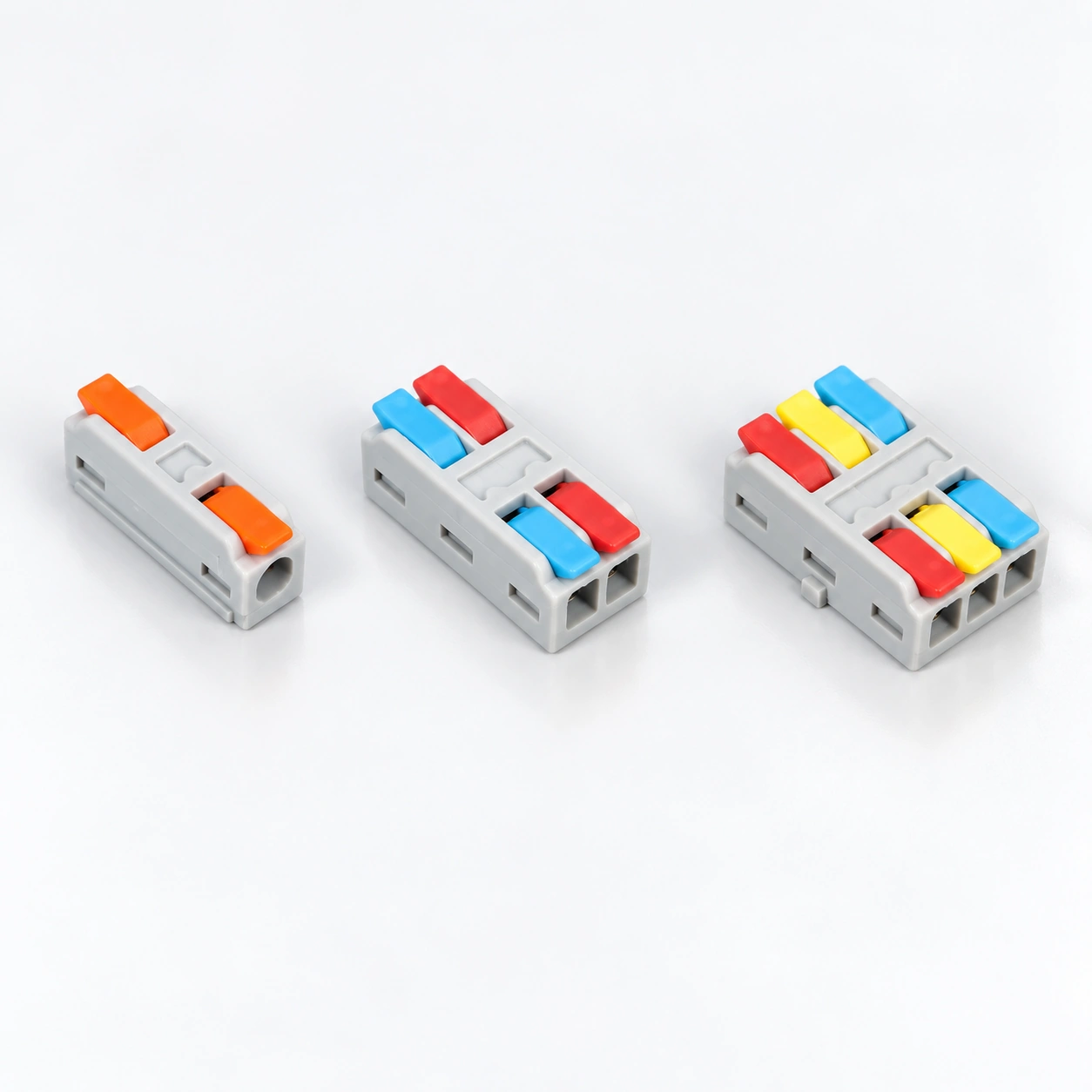
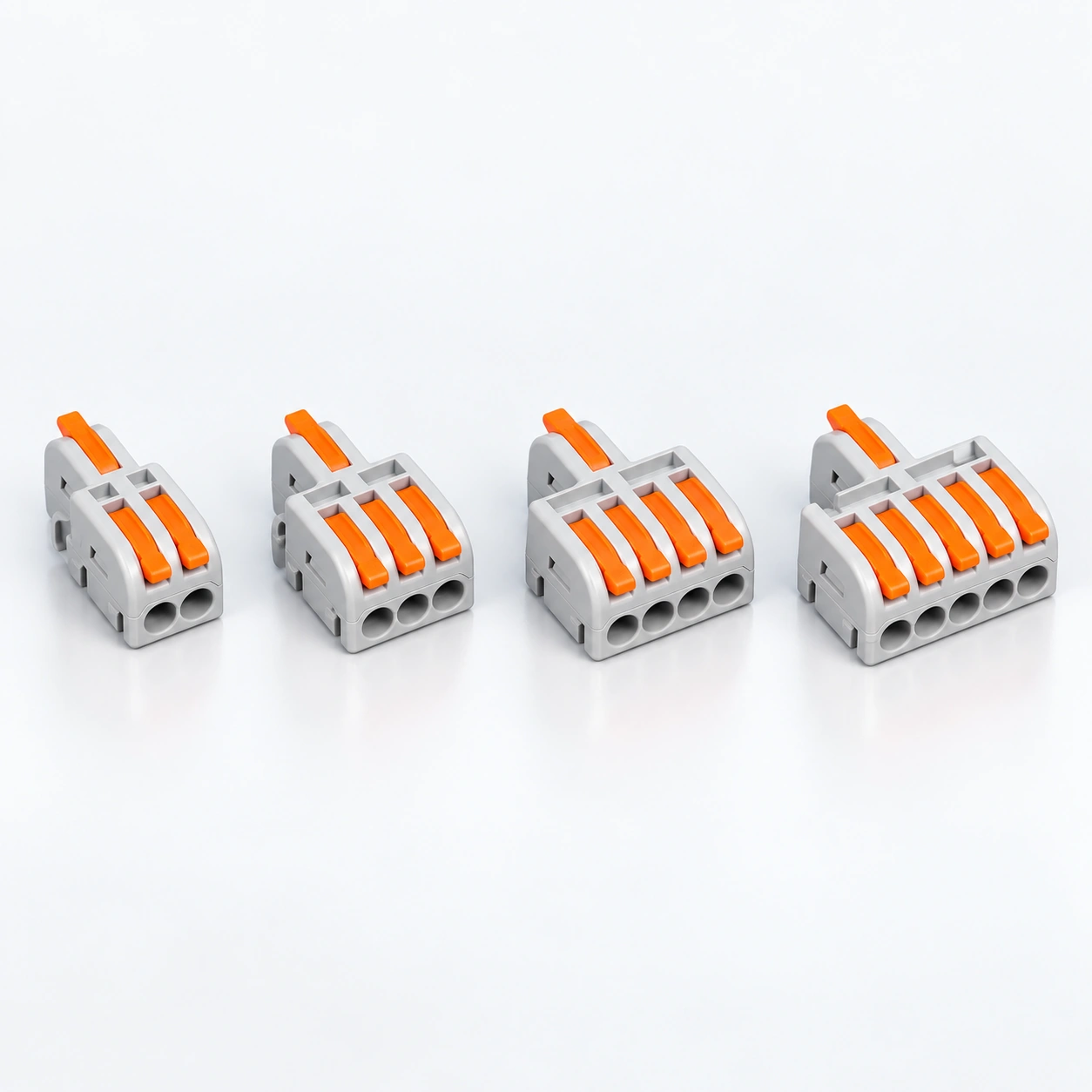
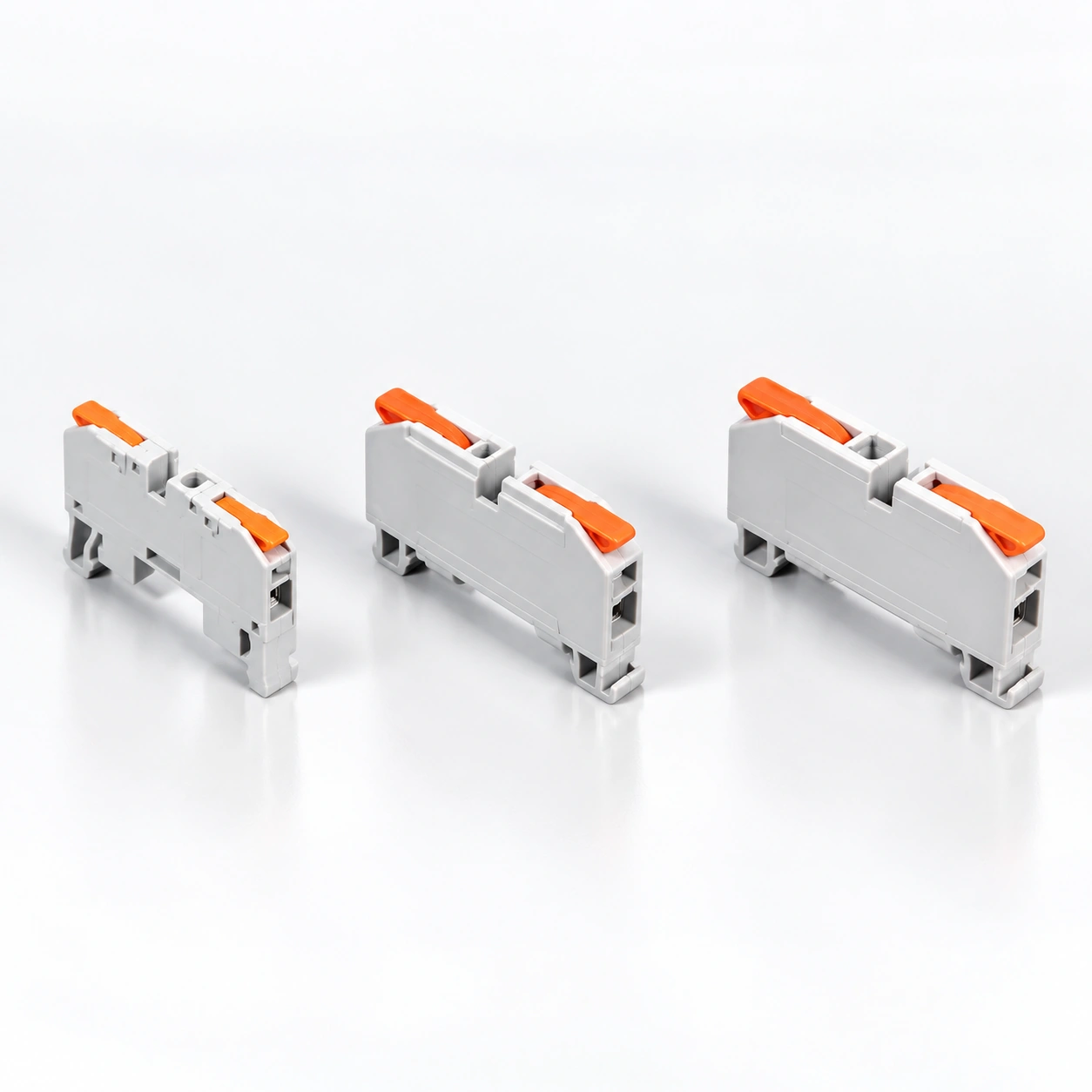
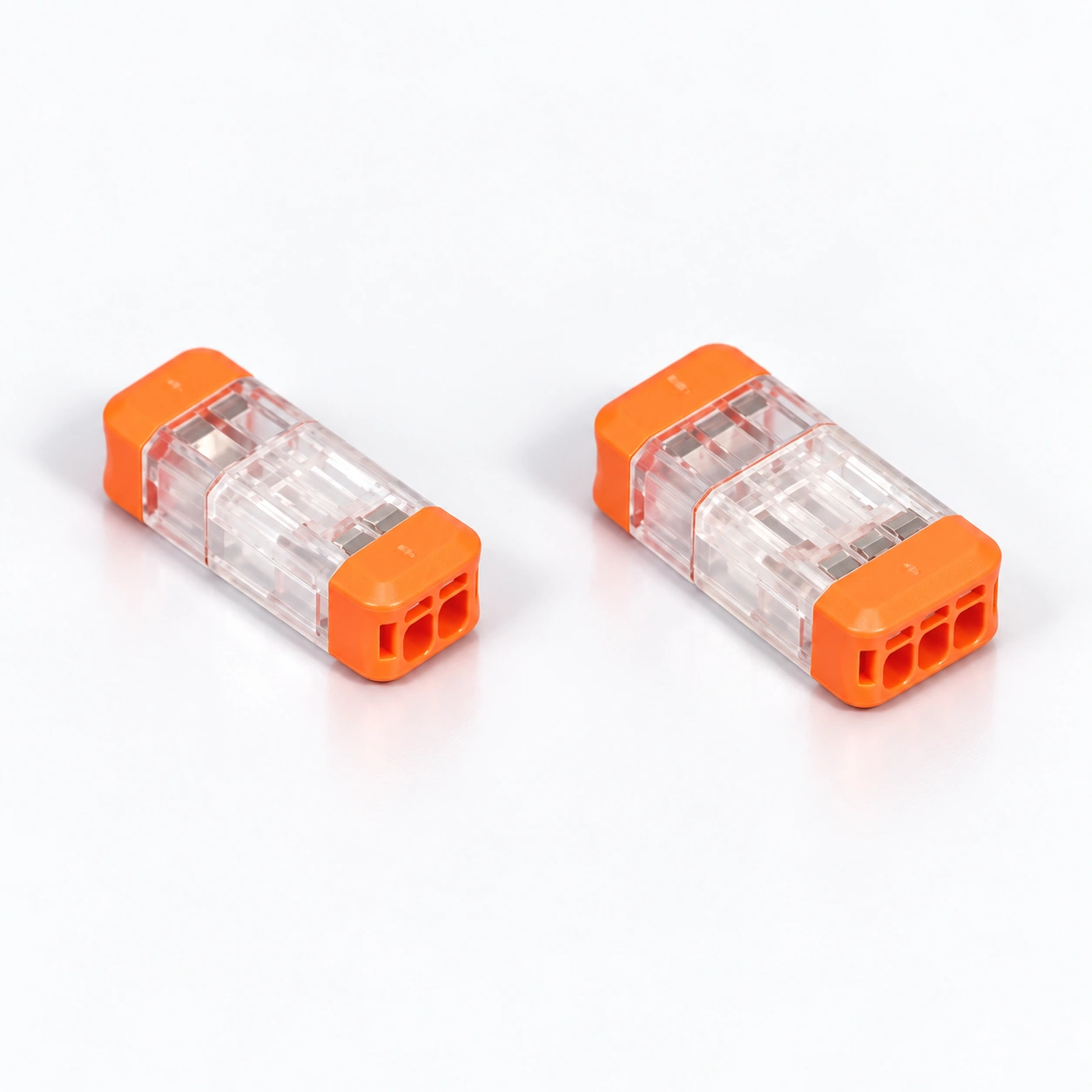
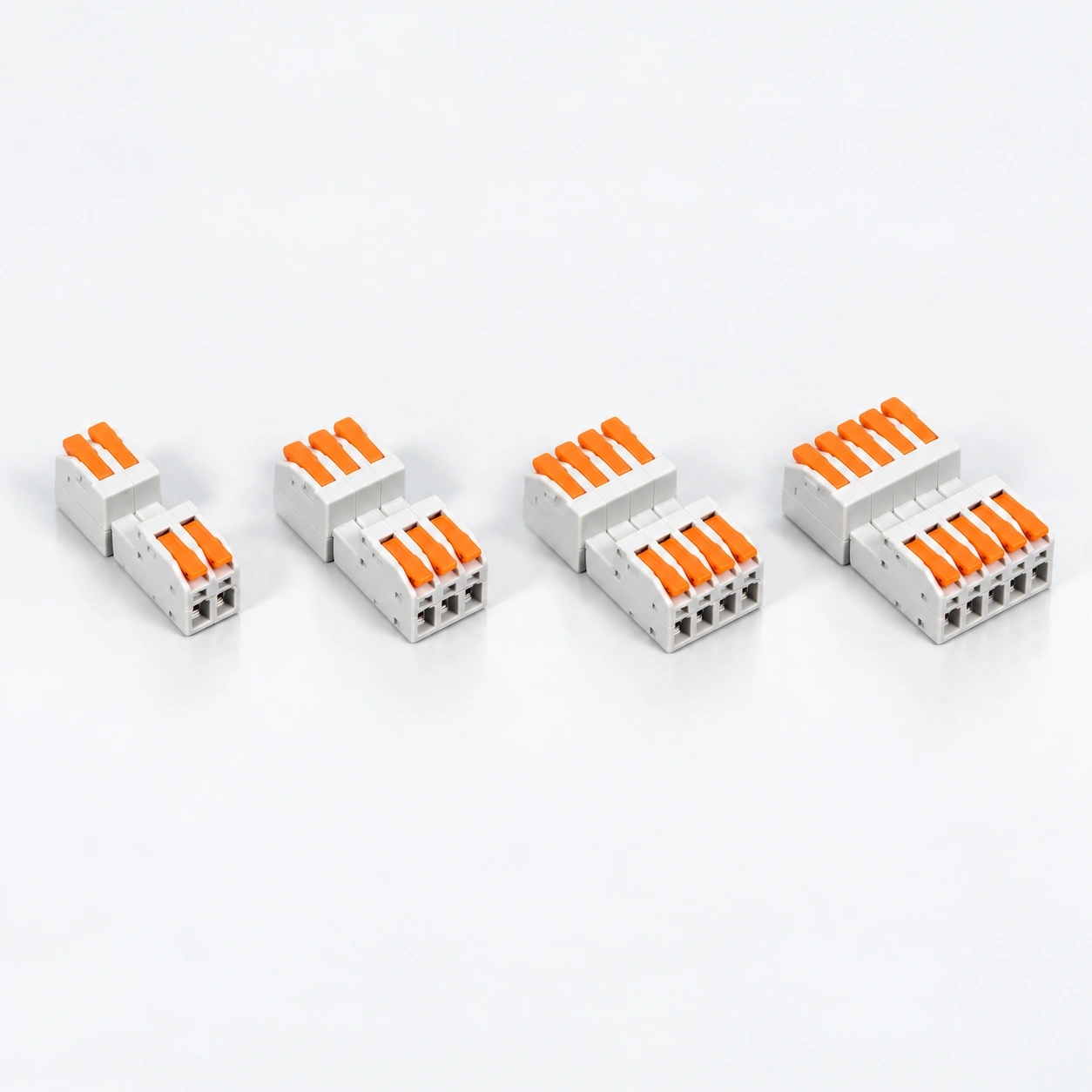
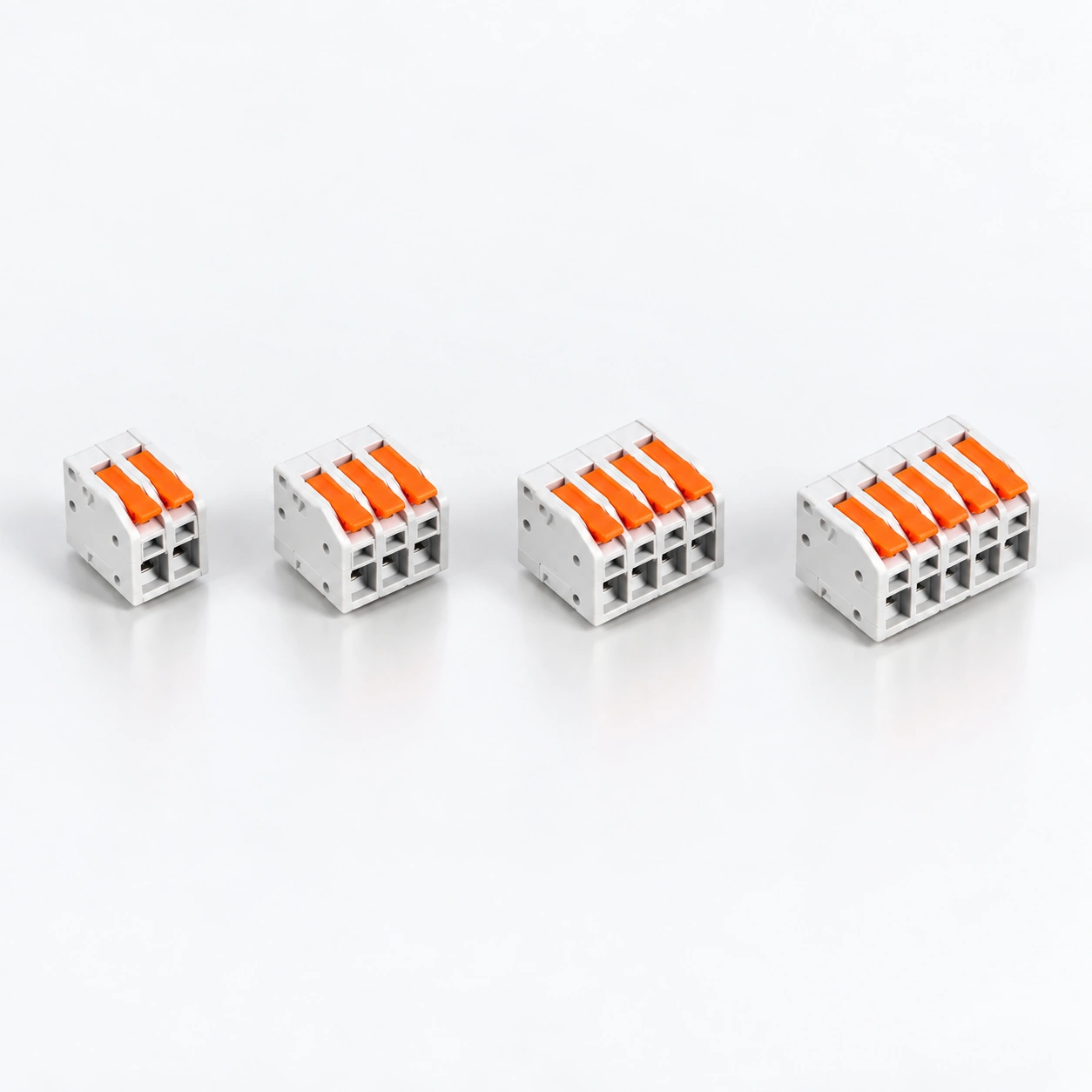
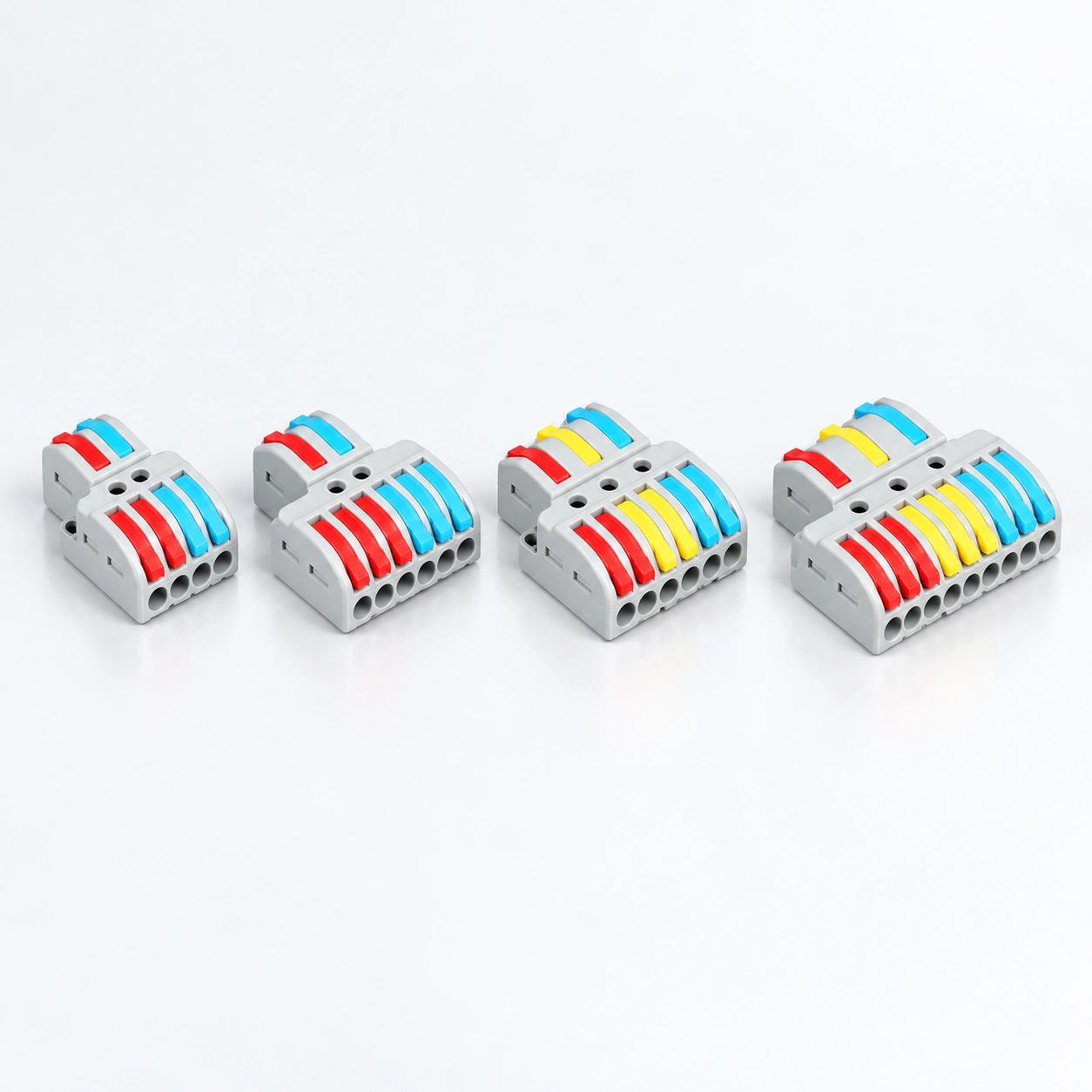
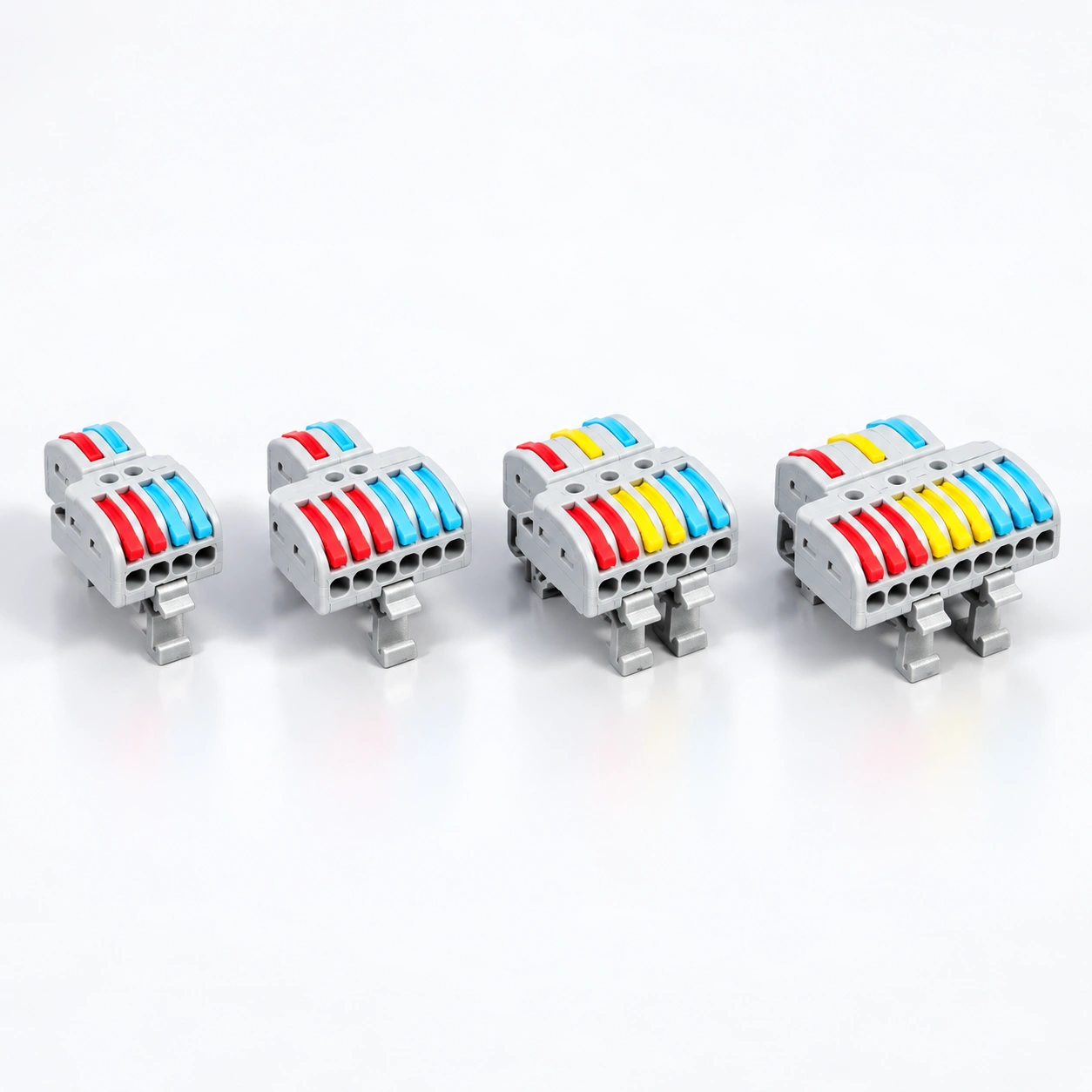
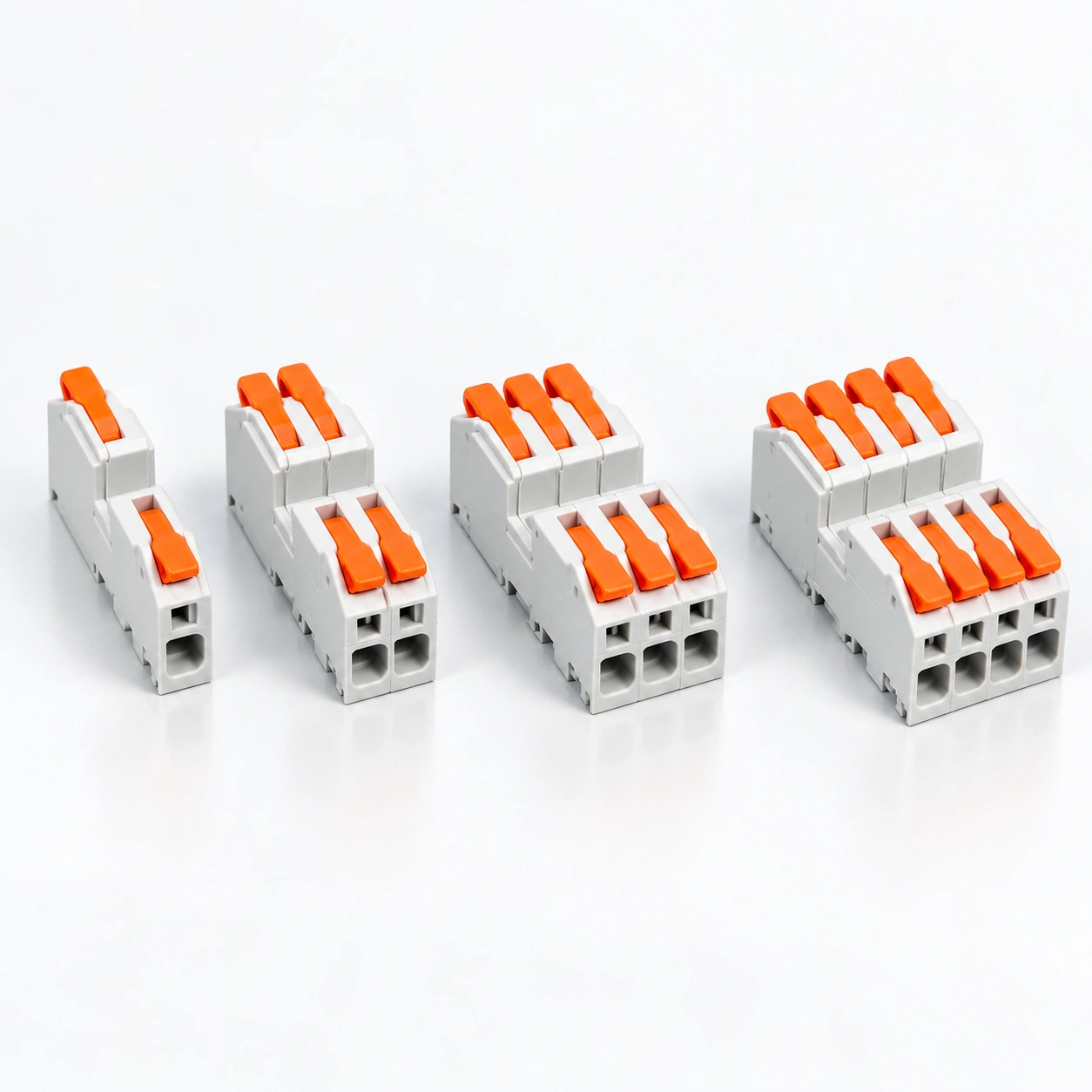
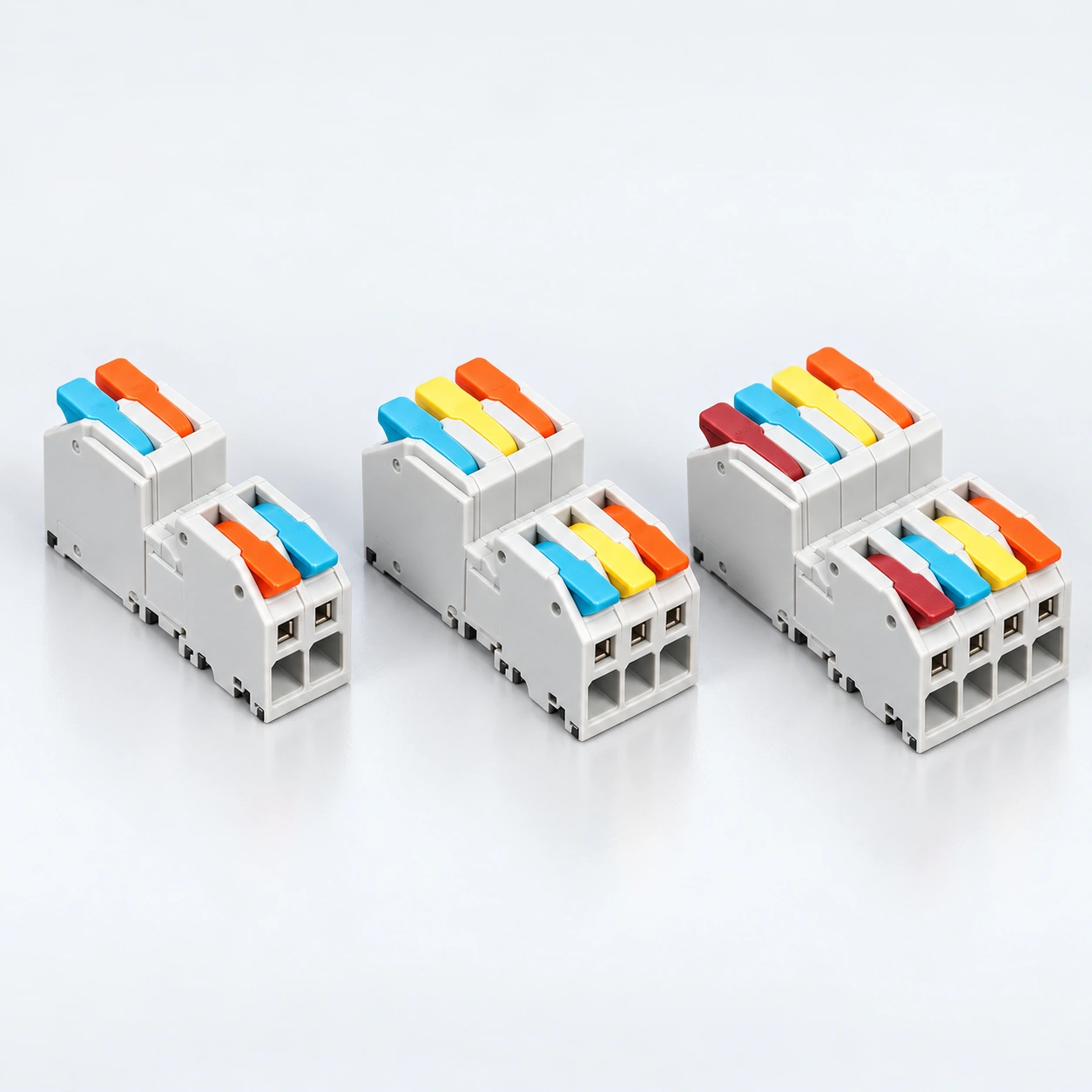
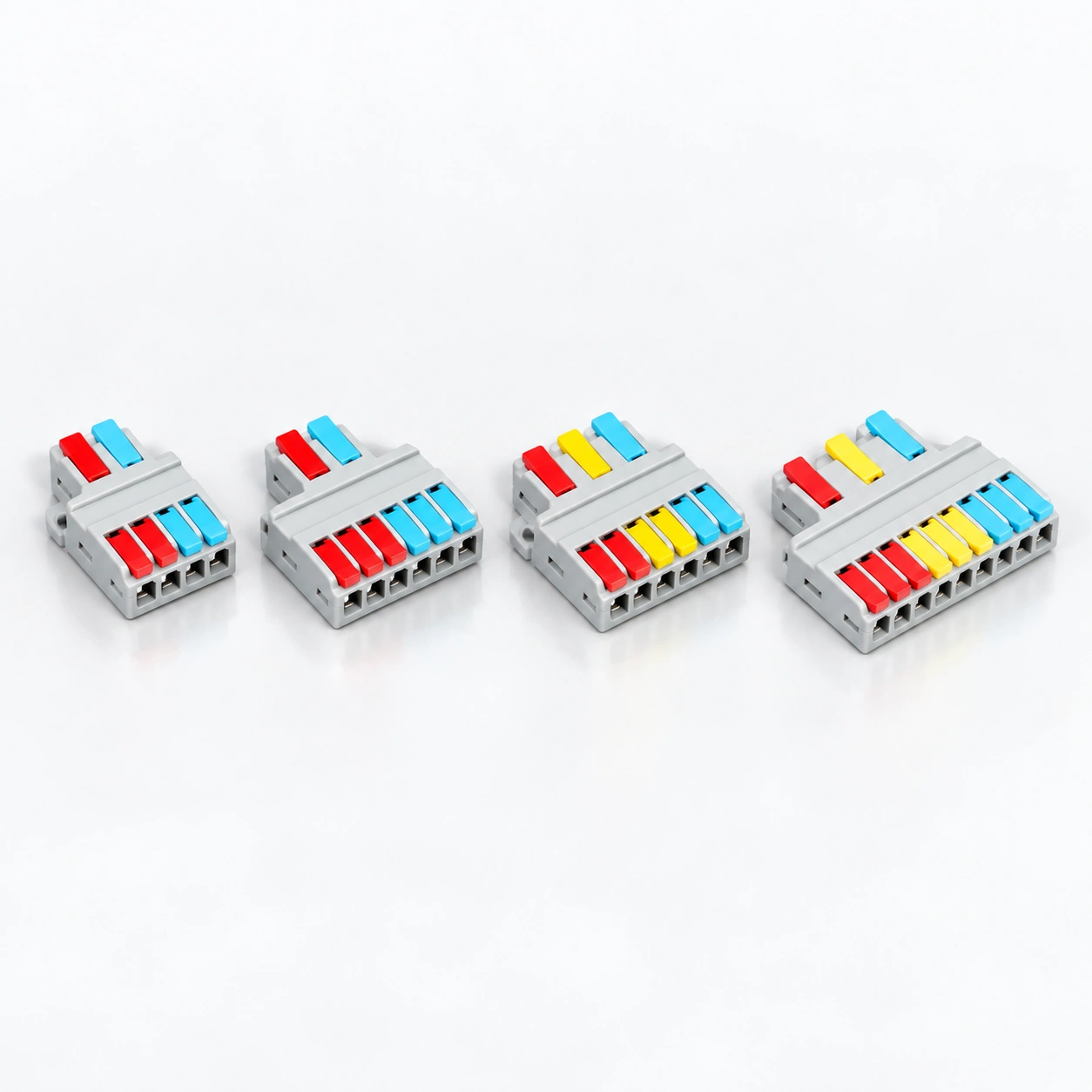
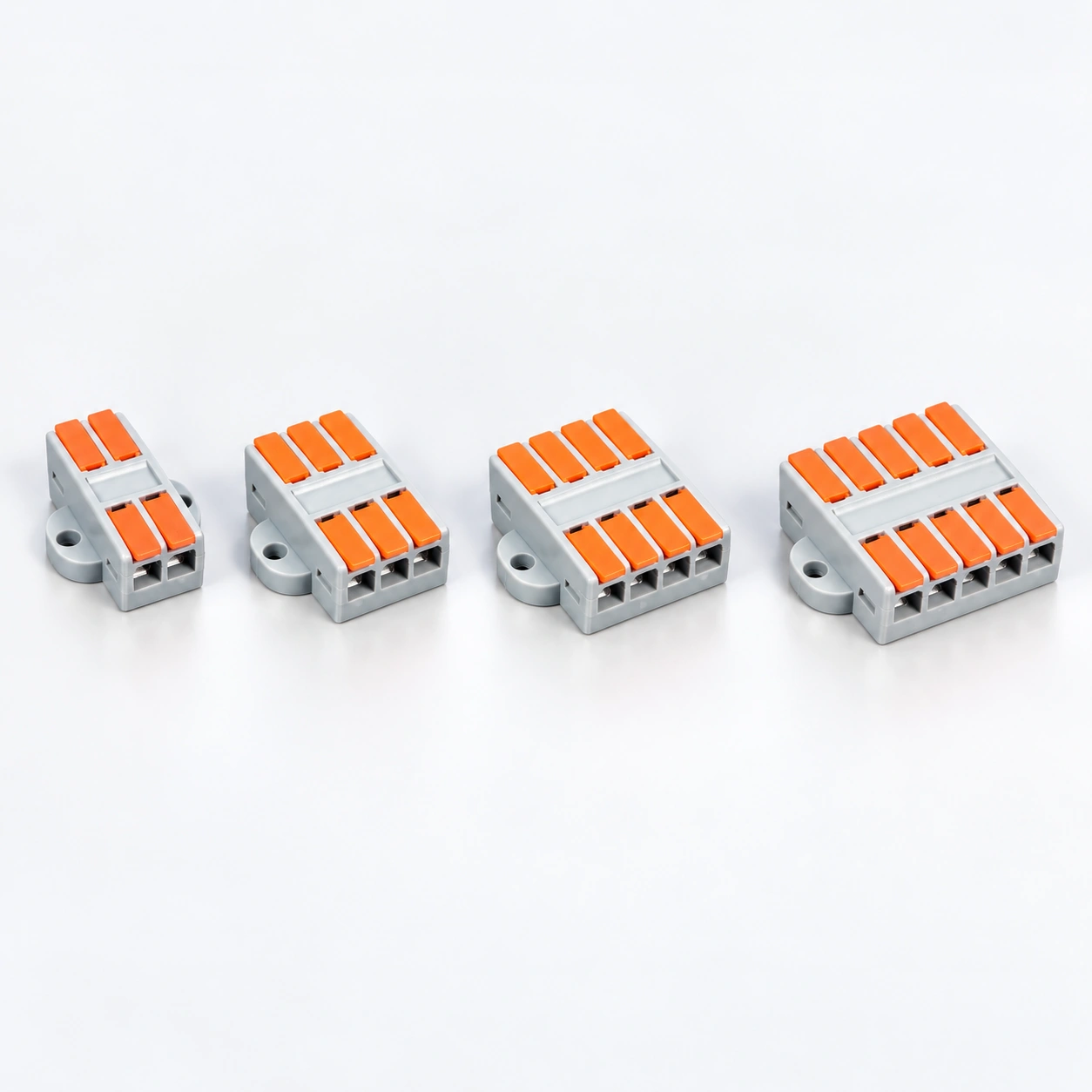
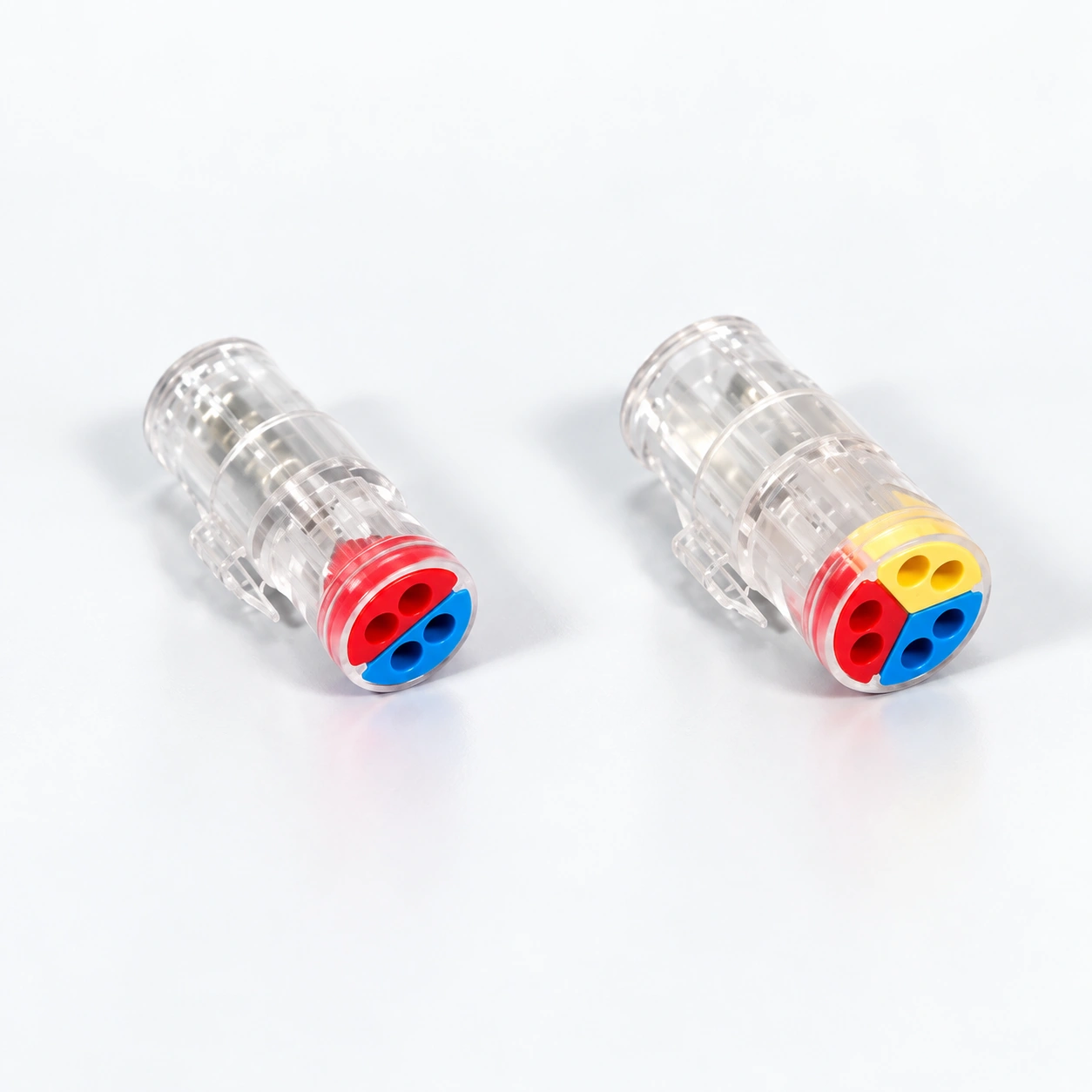
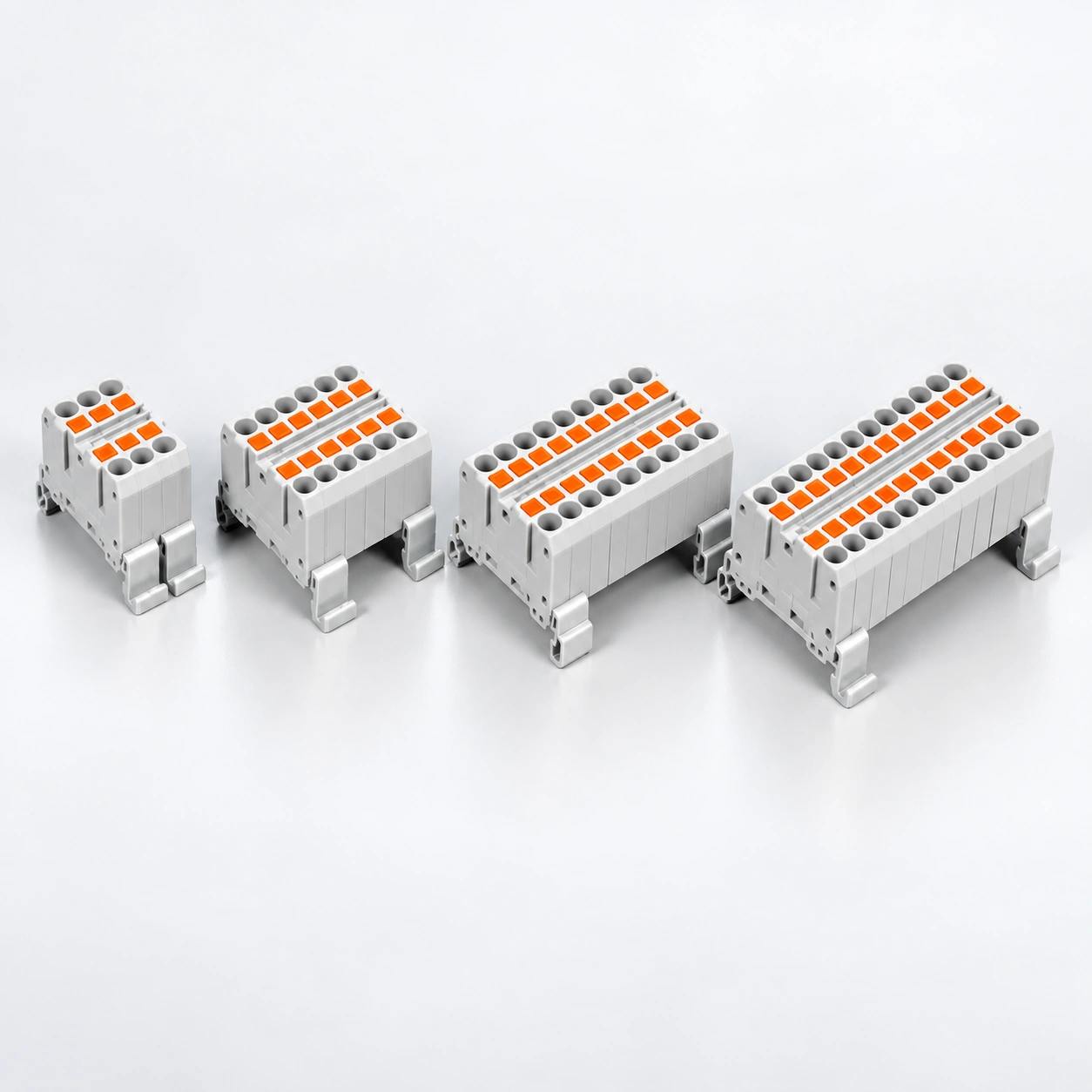
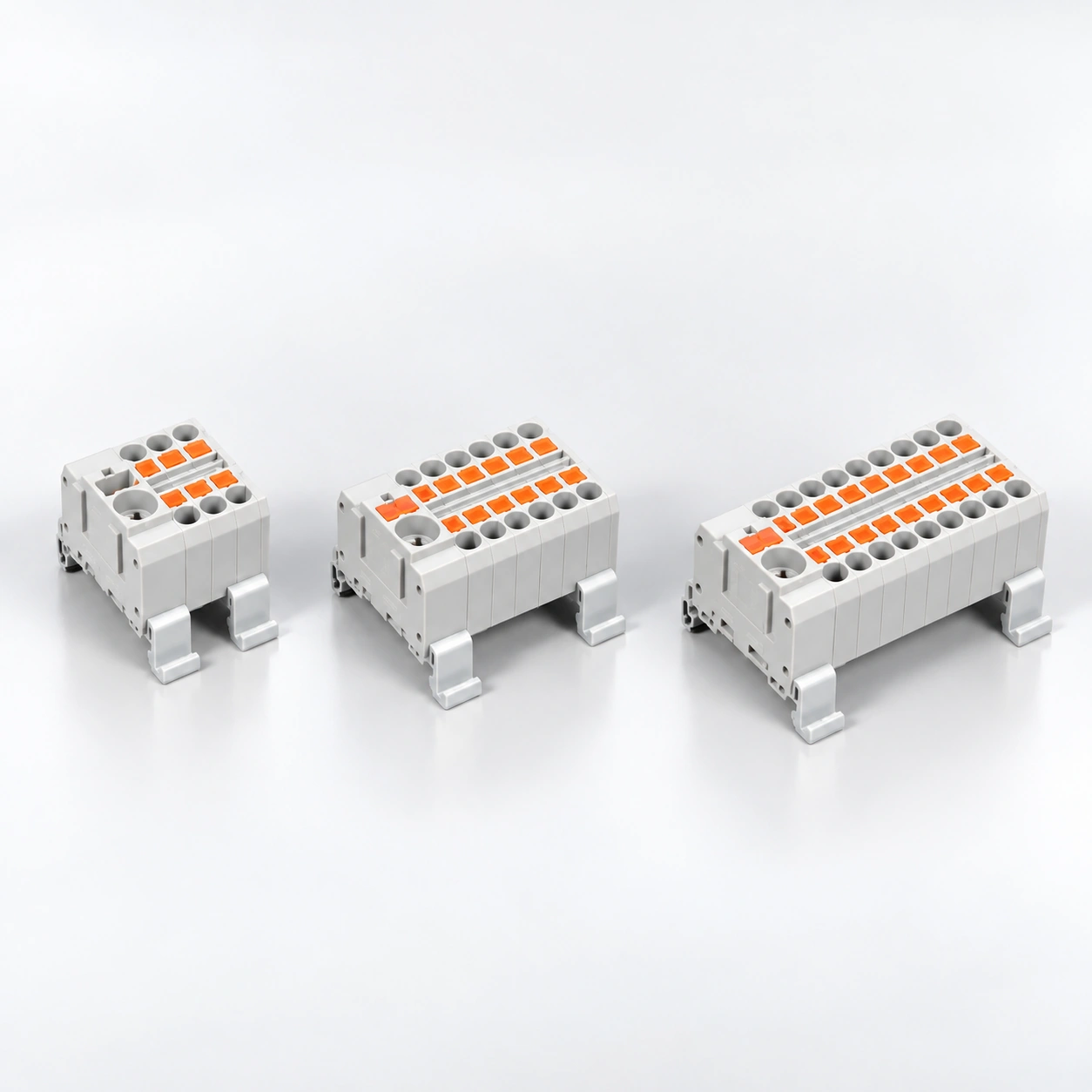
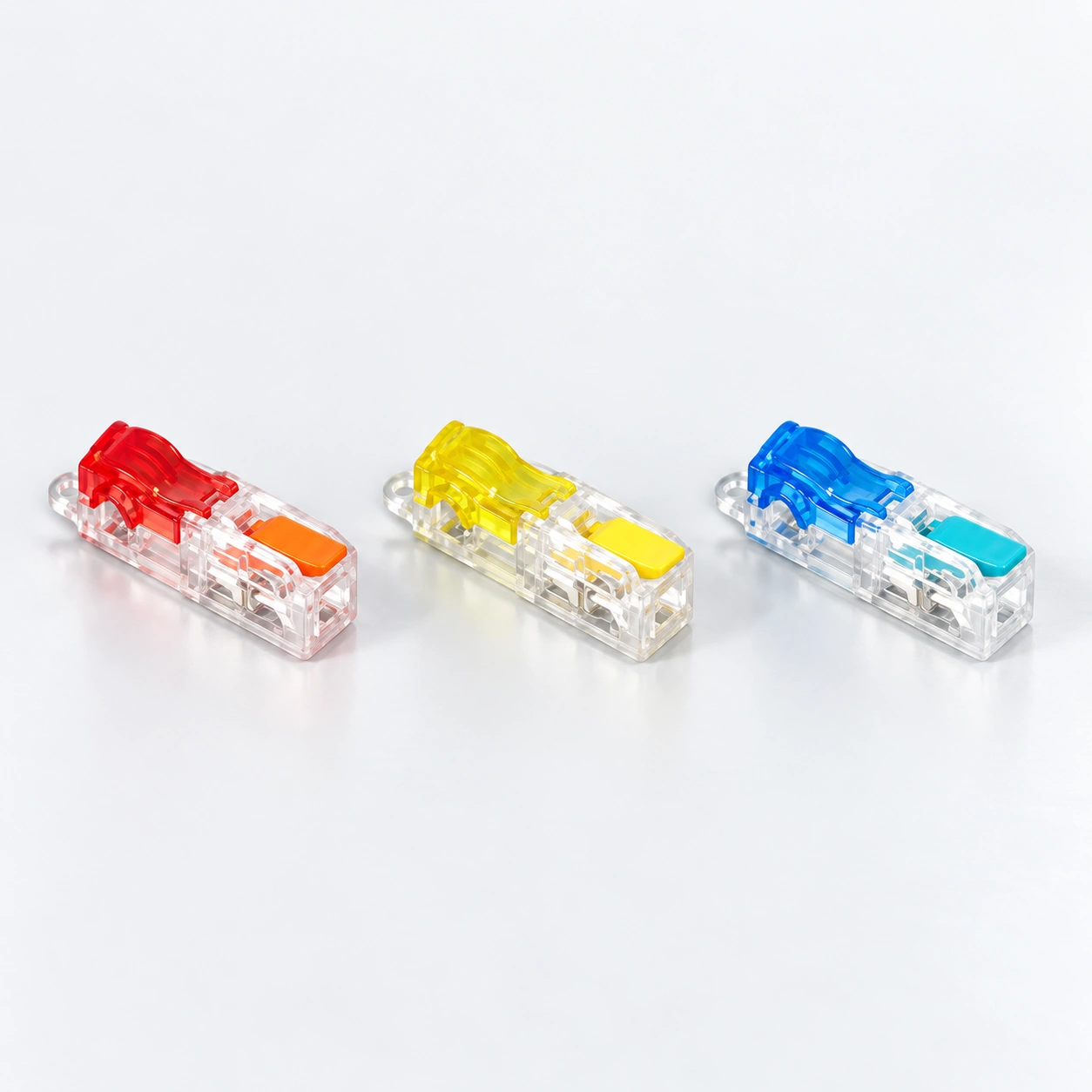
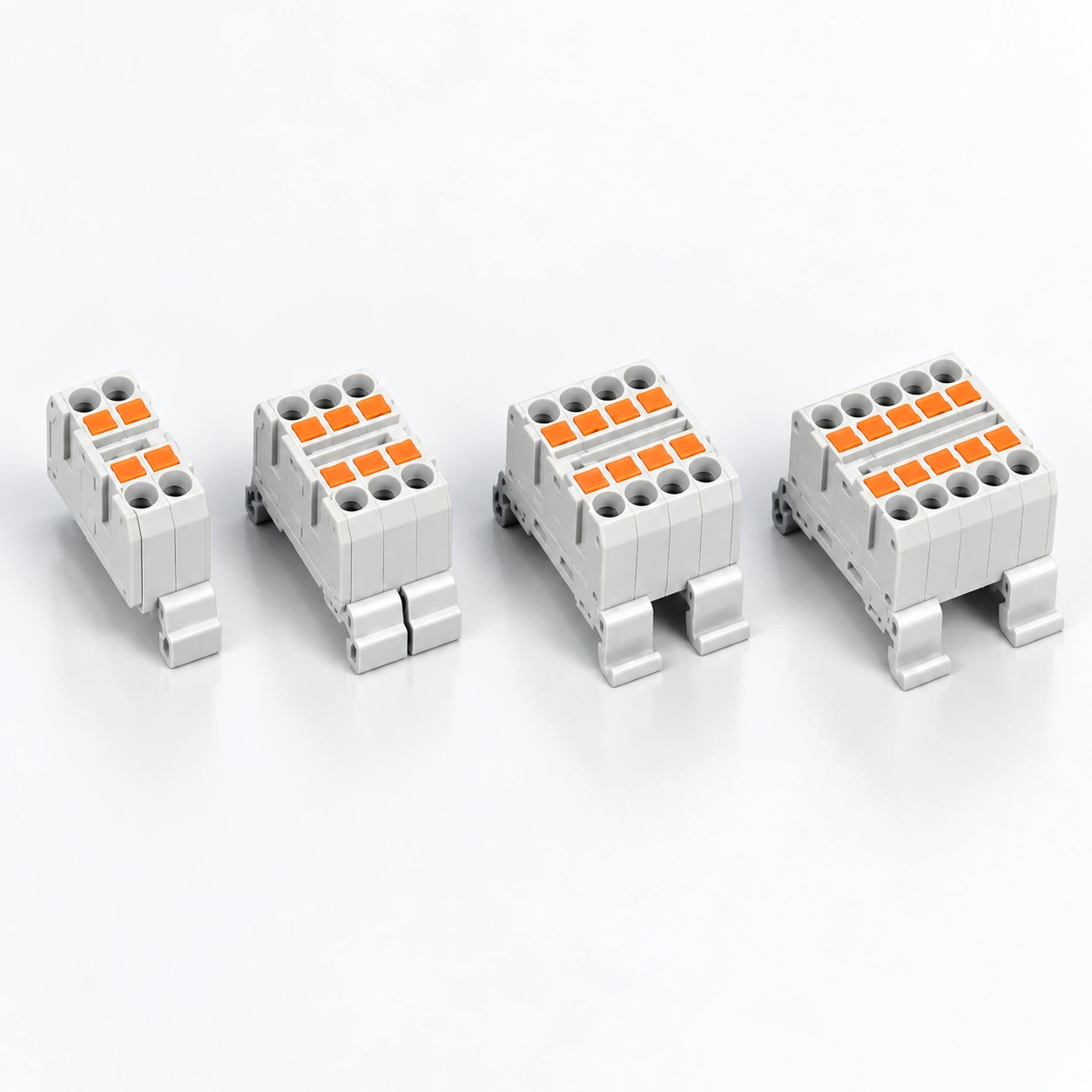
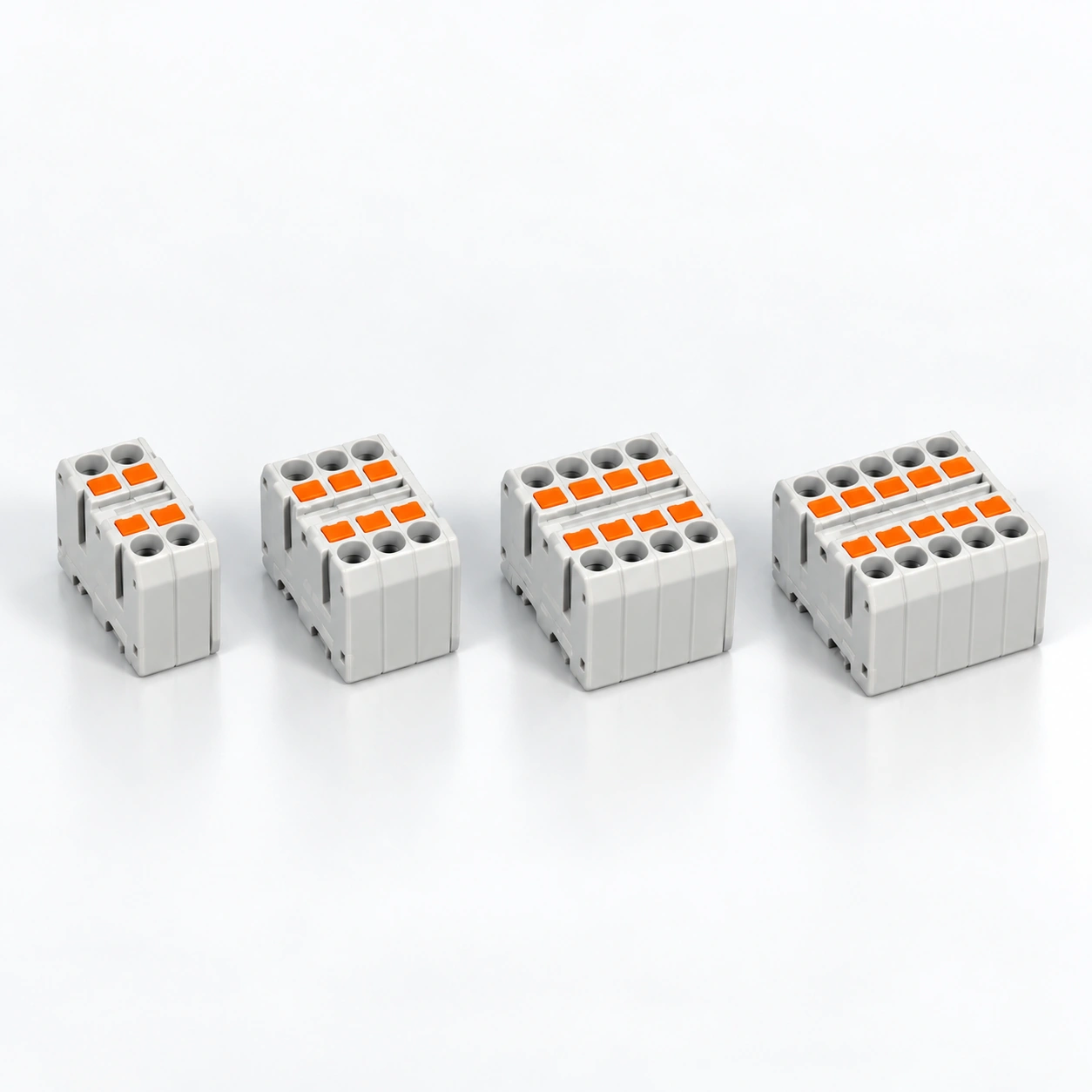
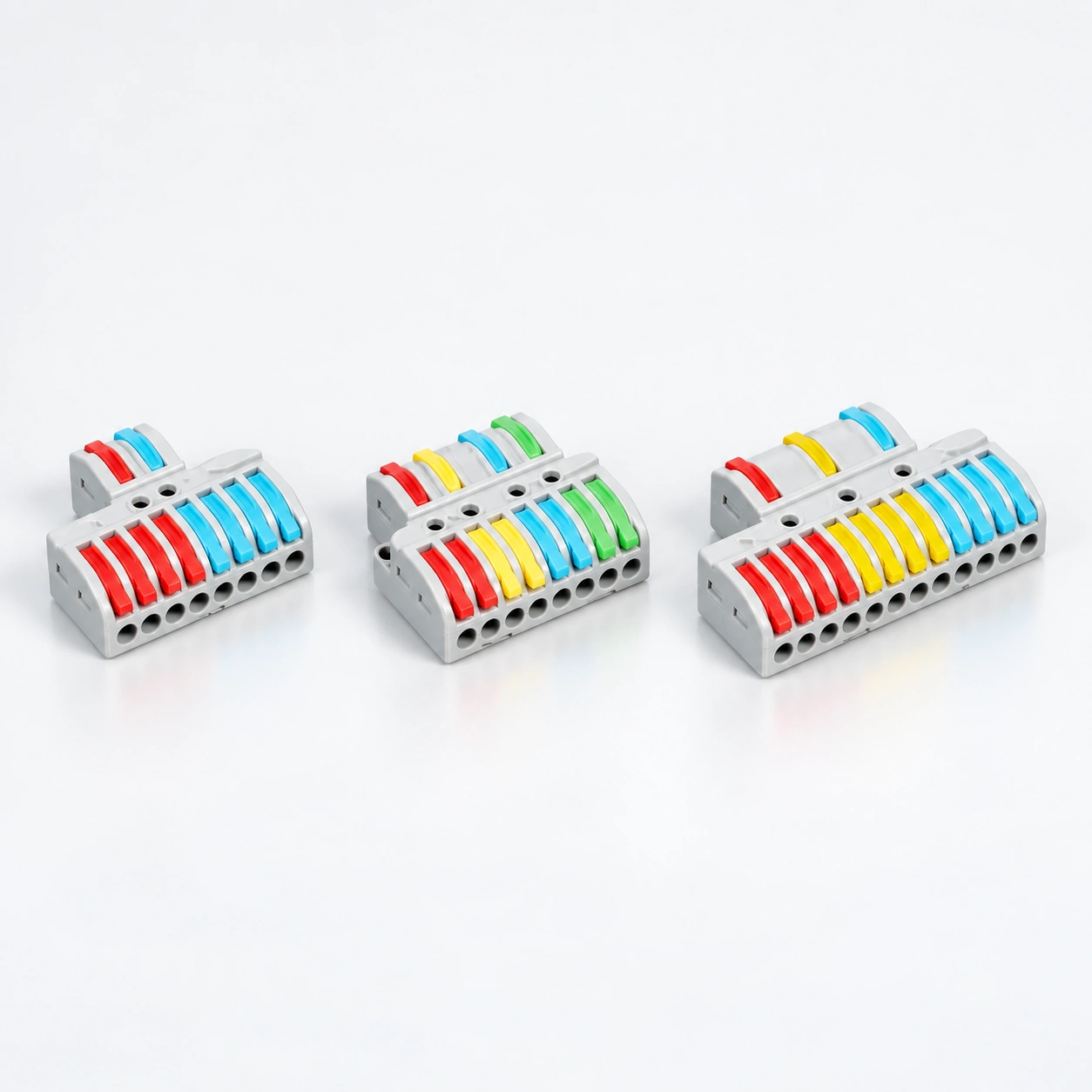
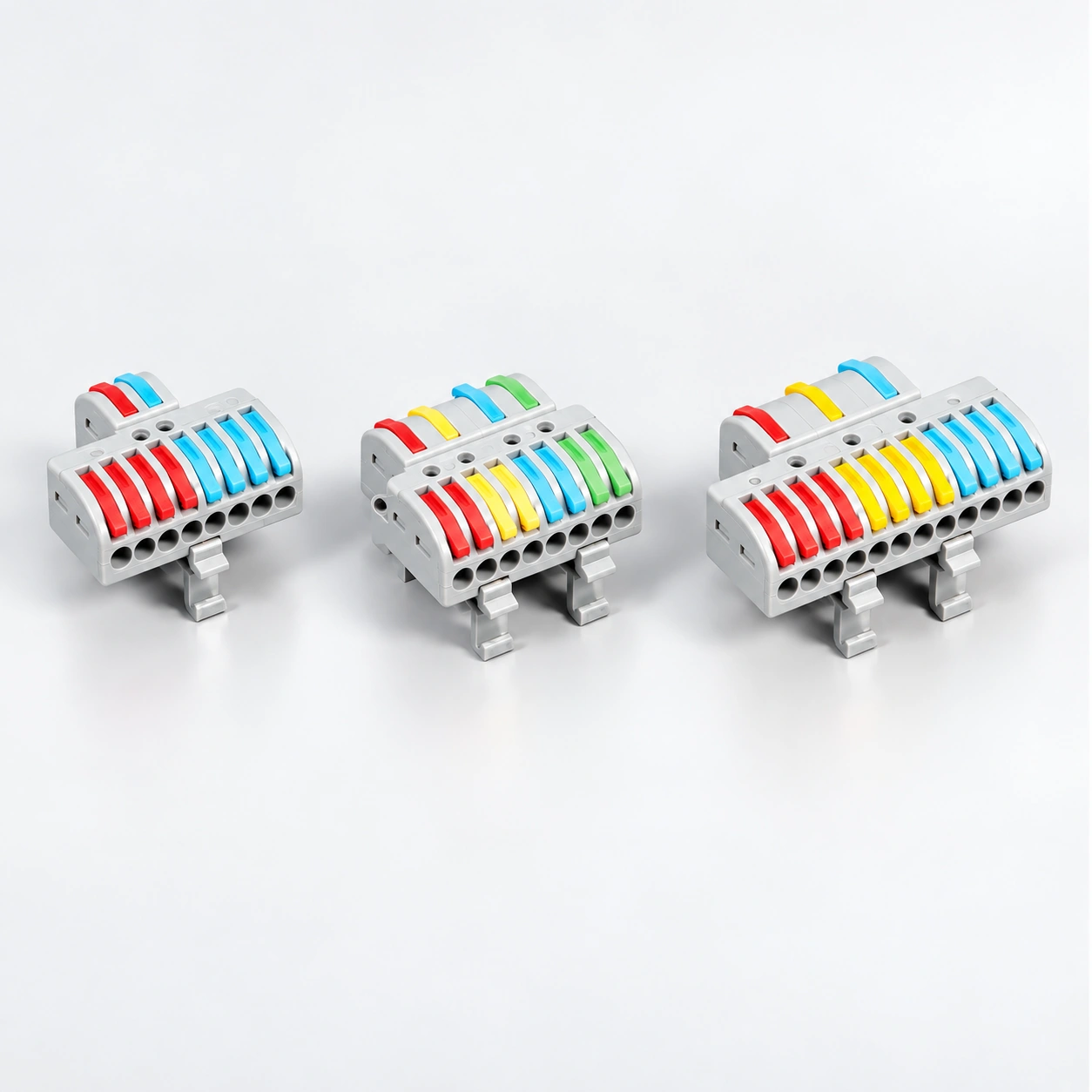
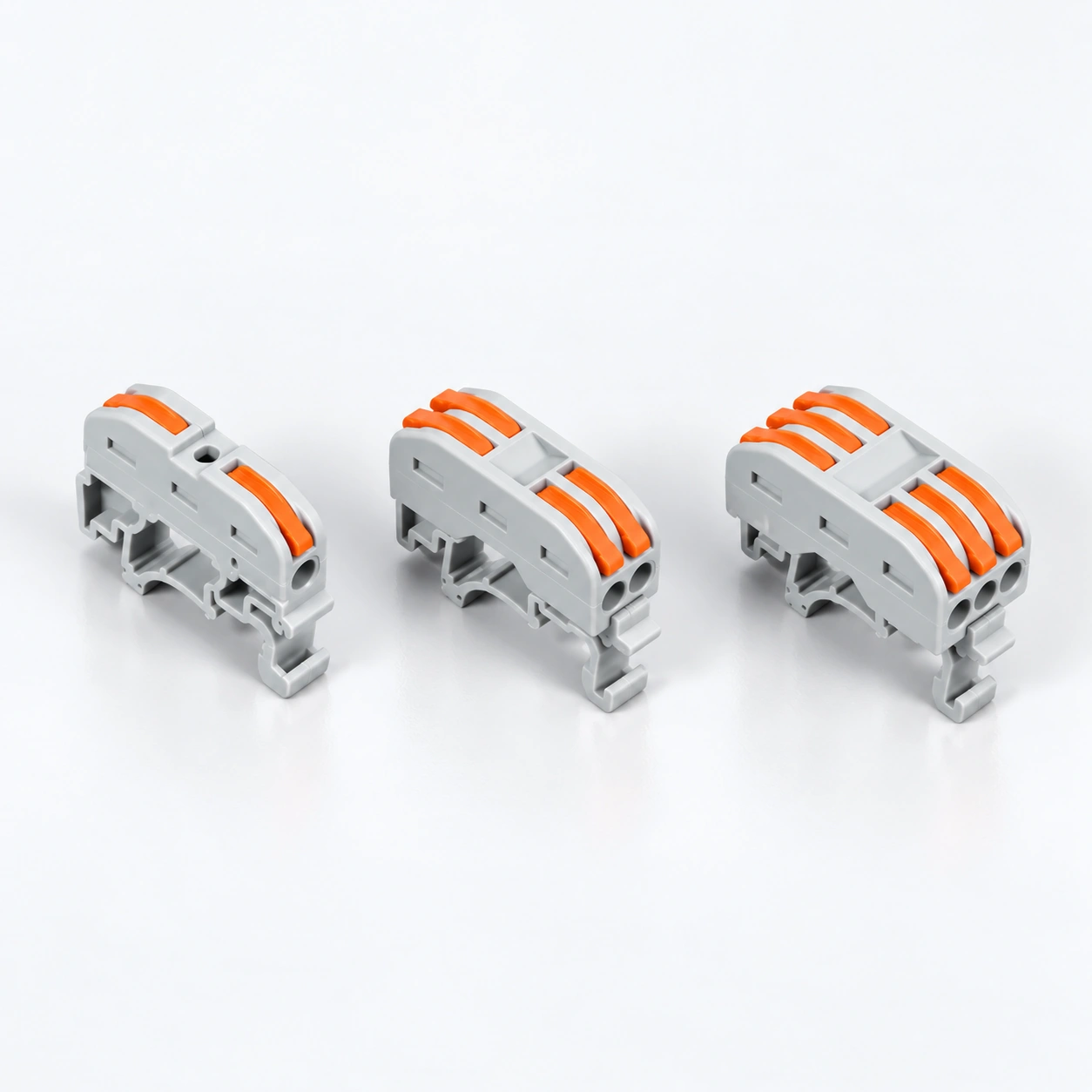
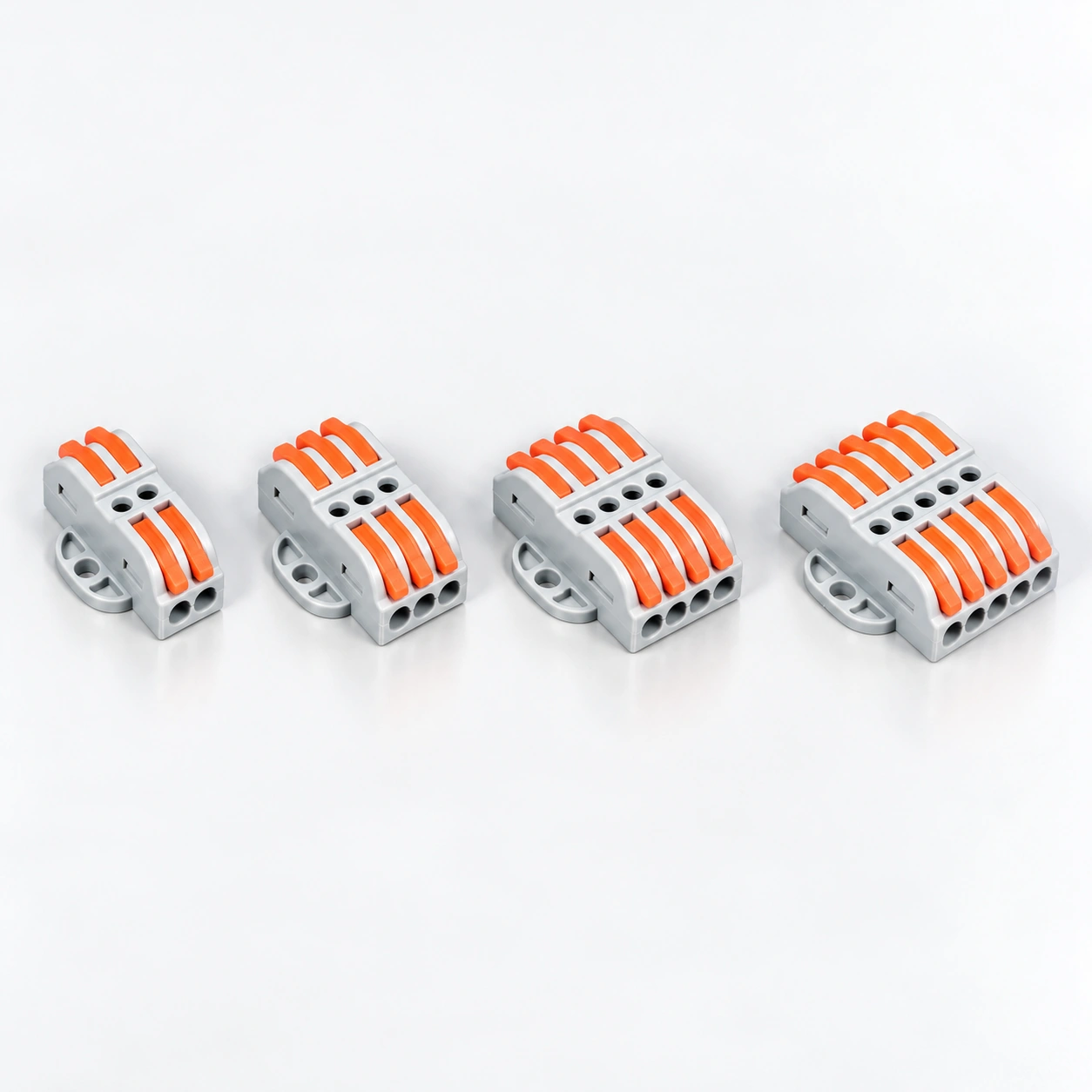
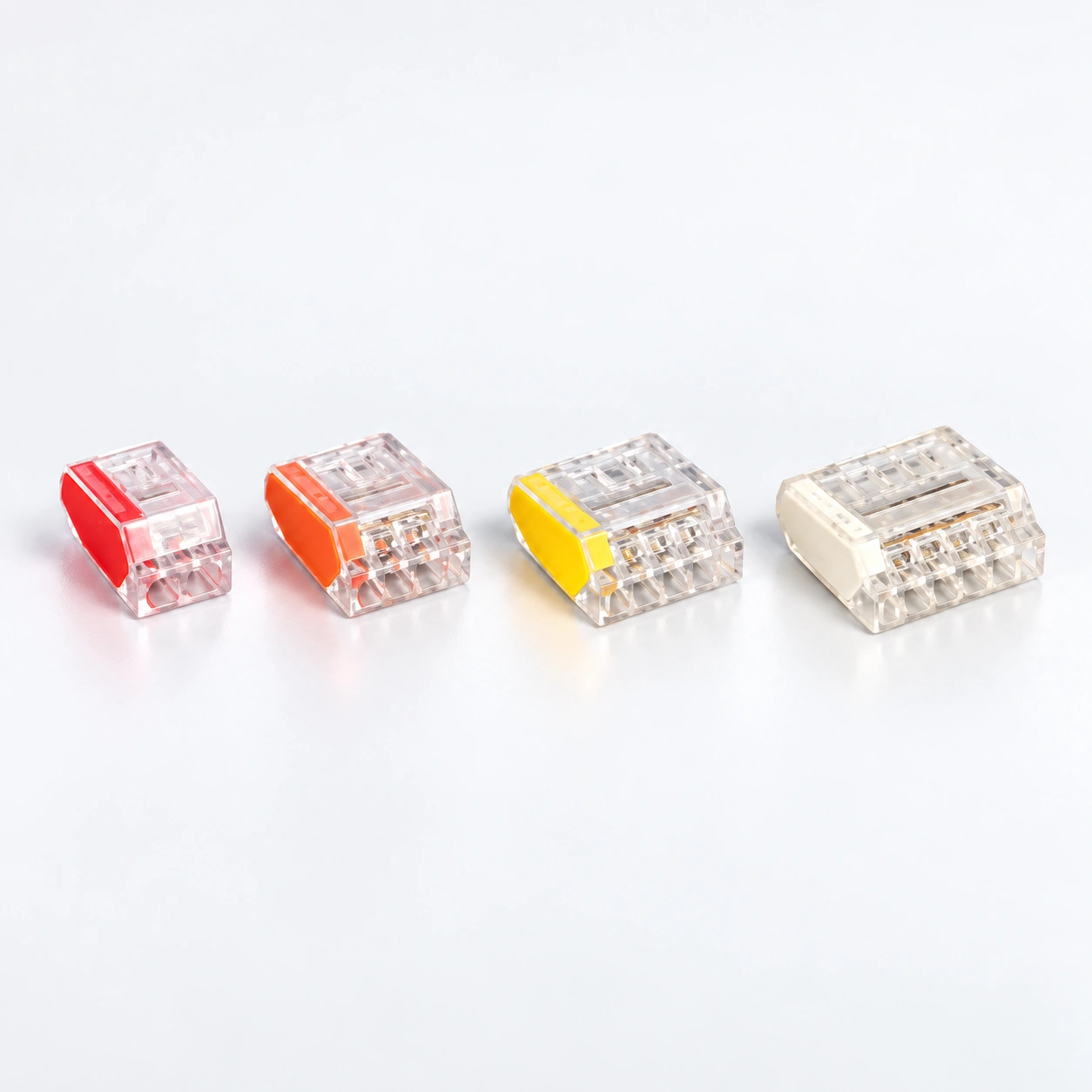

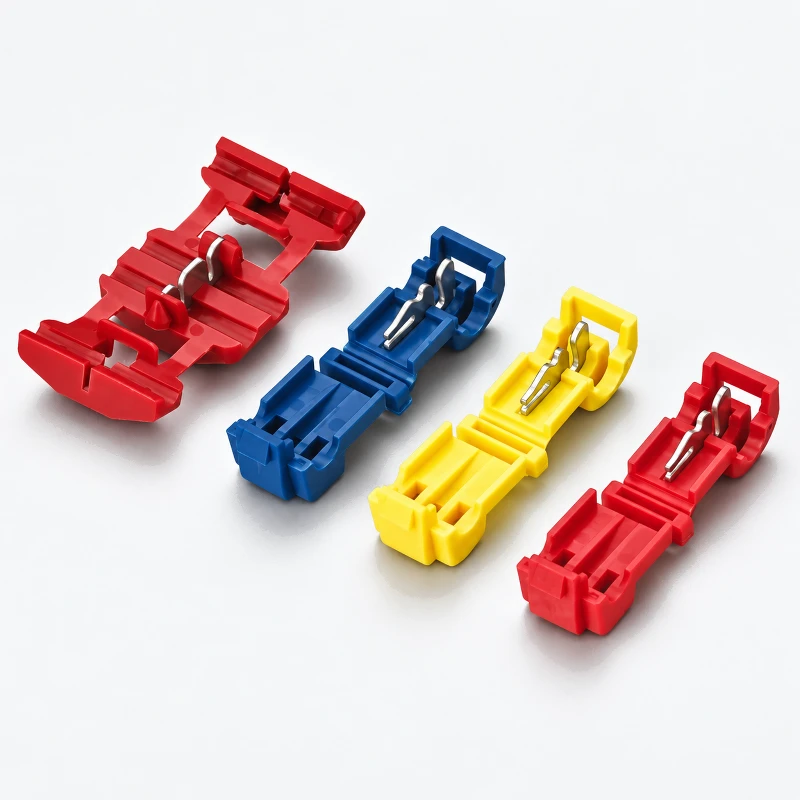
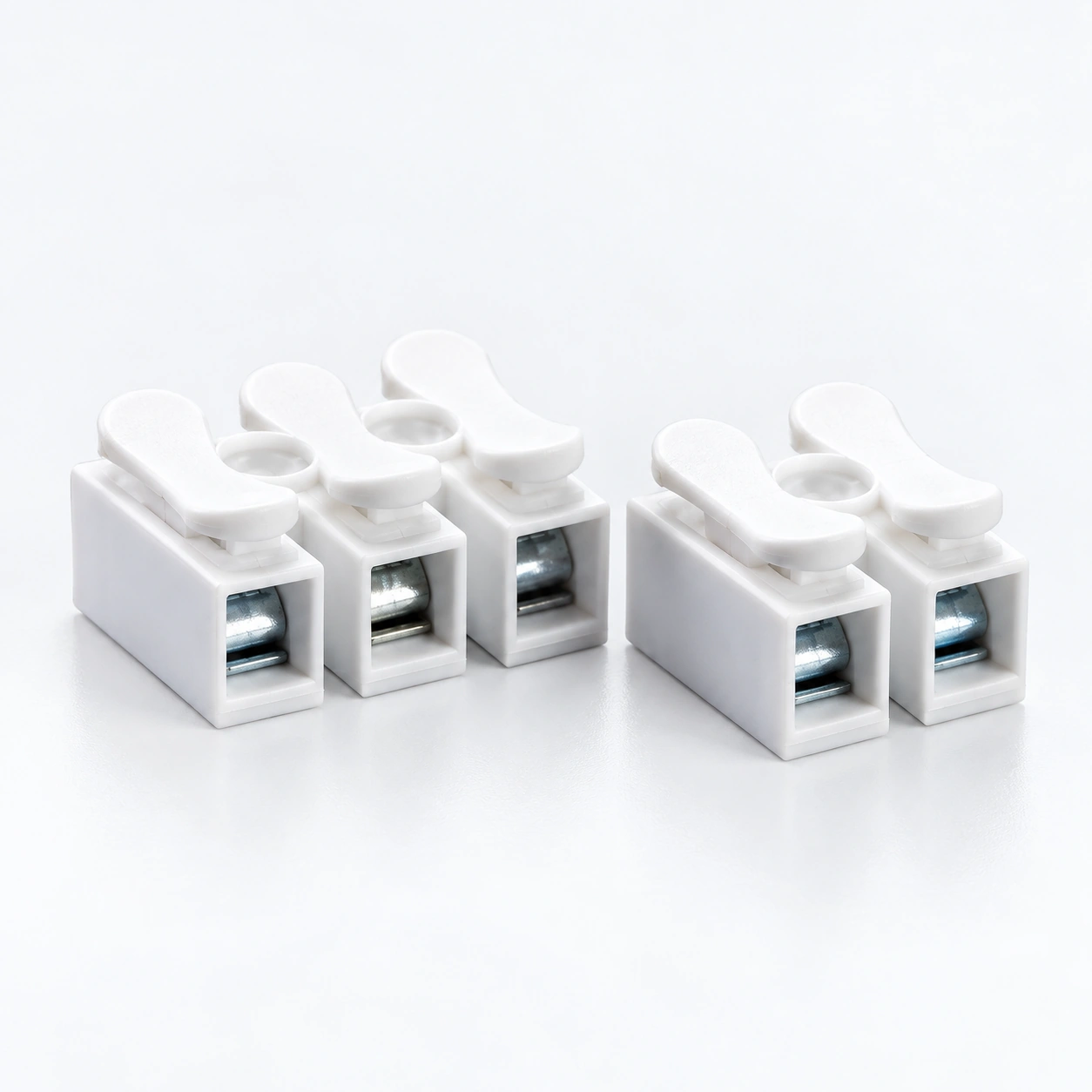
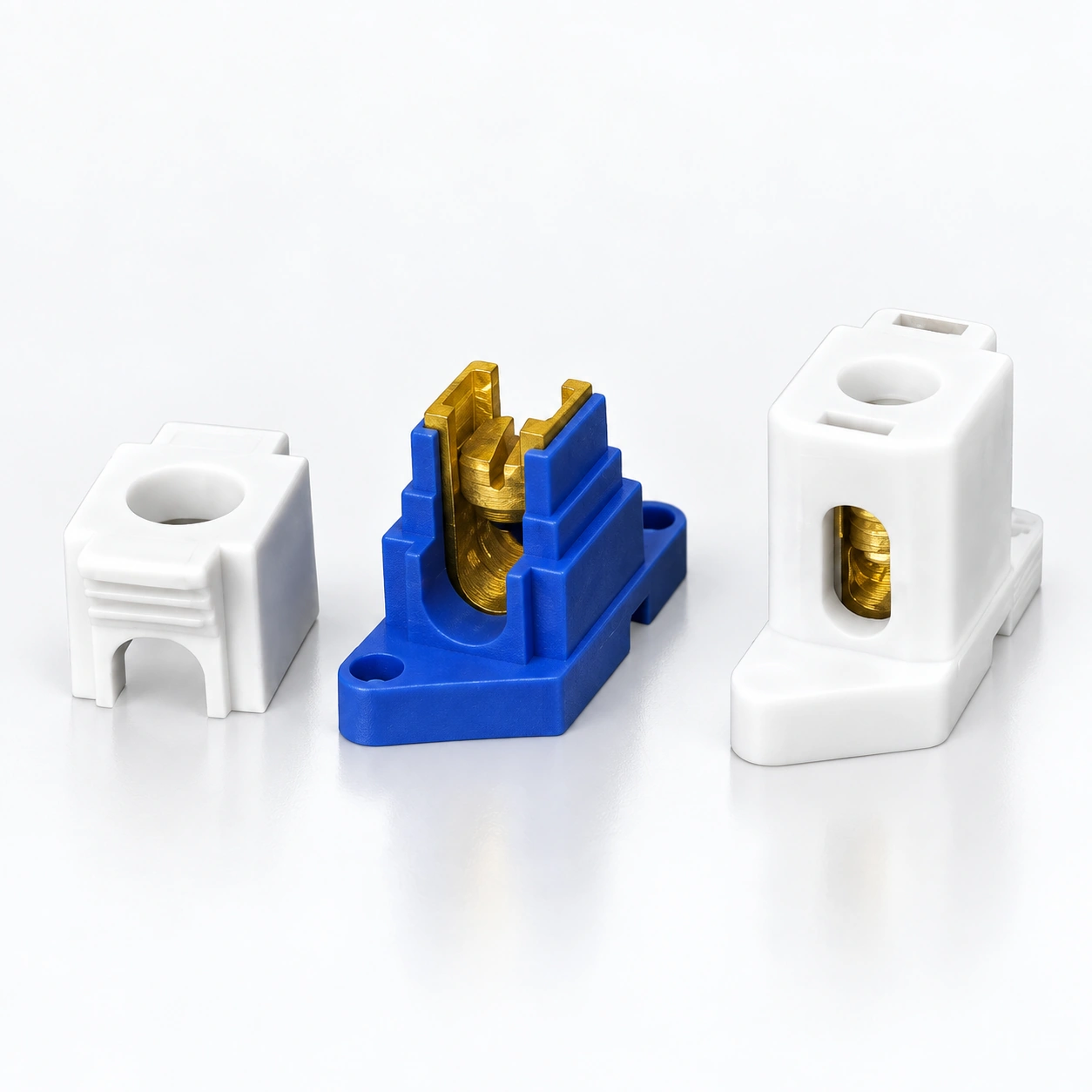
| Construction | Selection focus | Series reference |
|---|---|---|
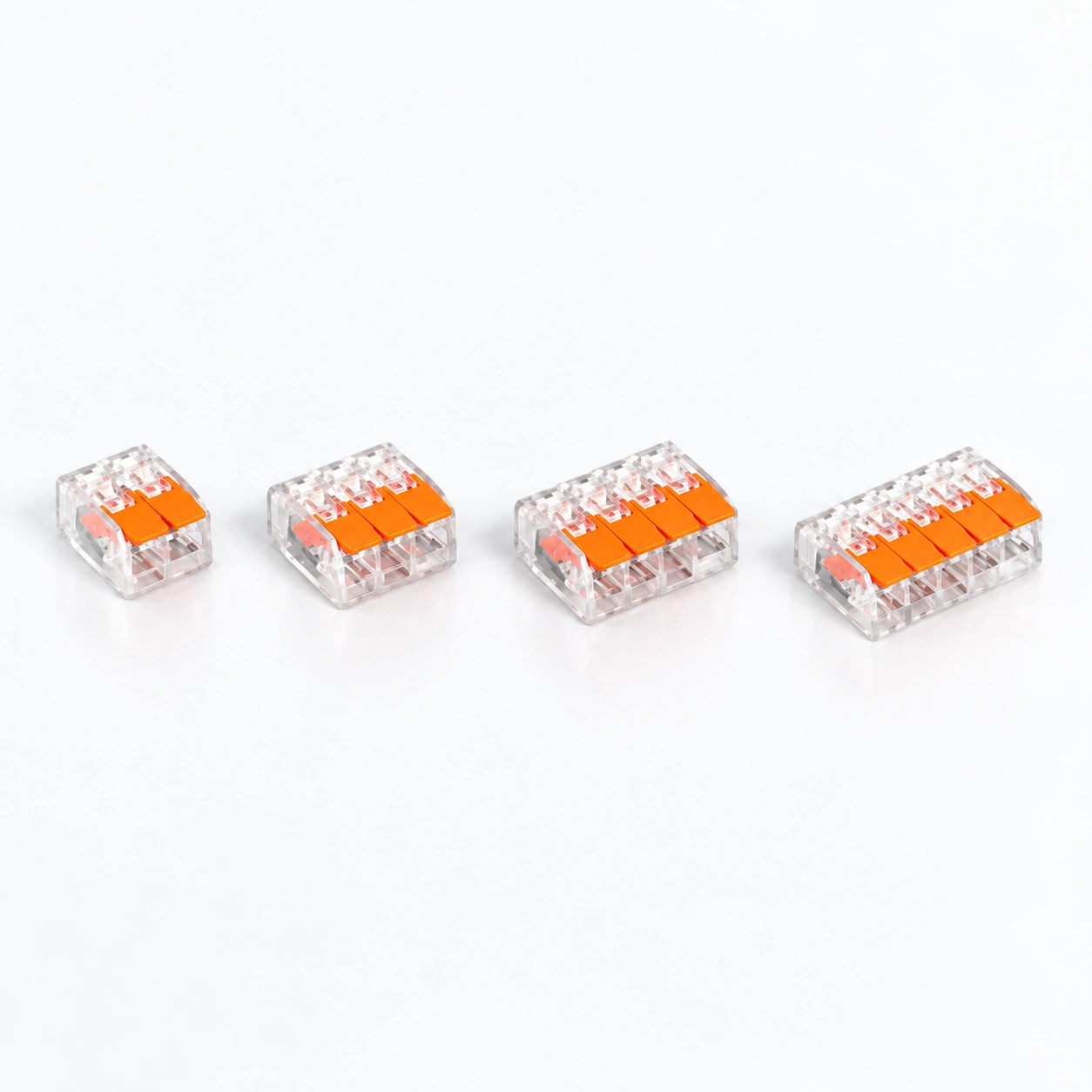
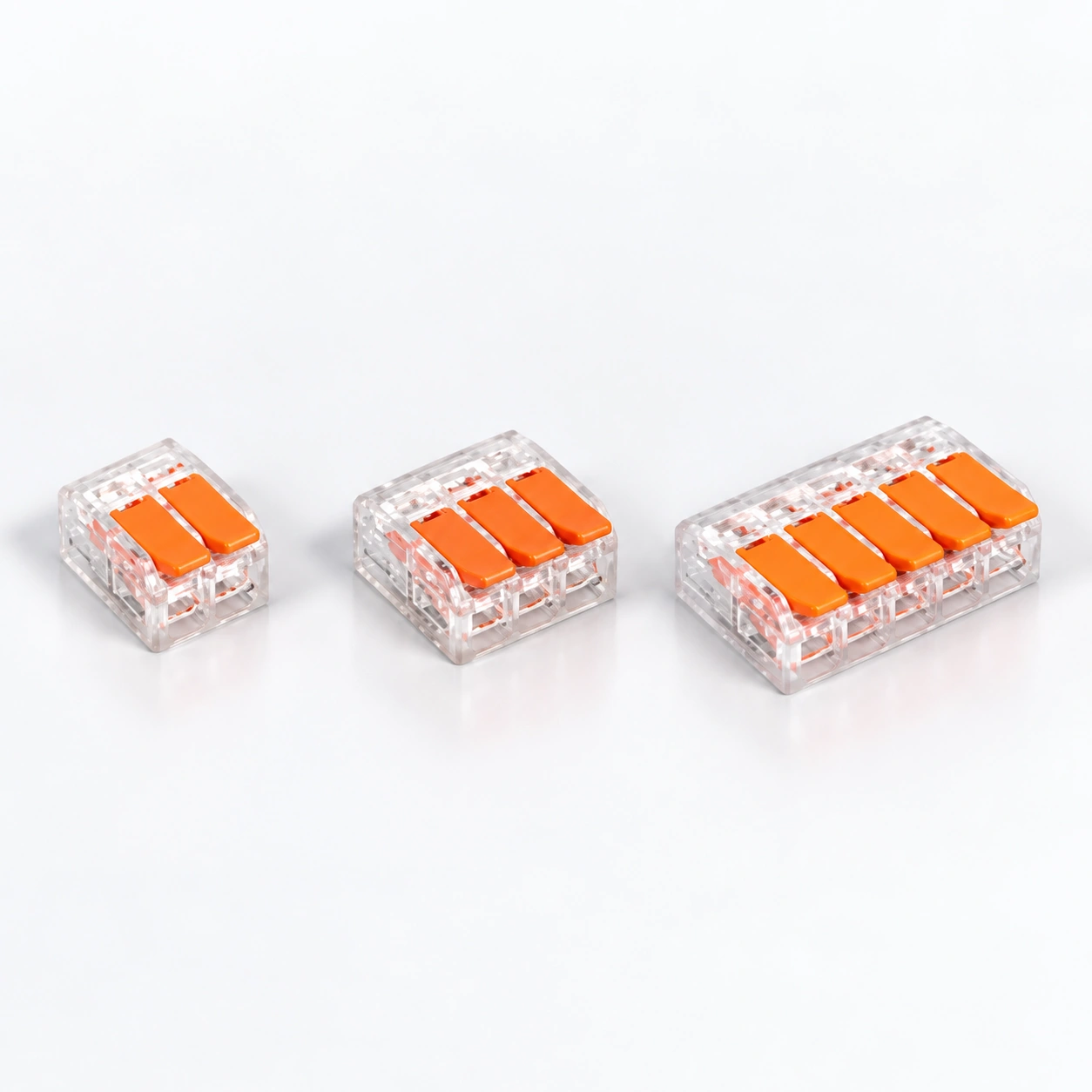
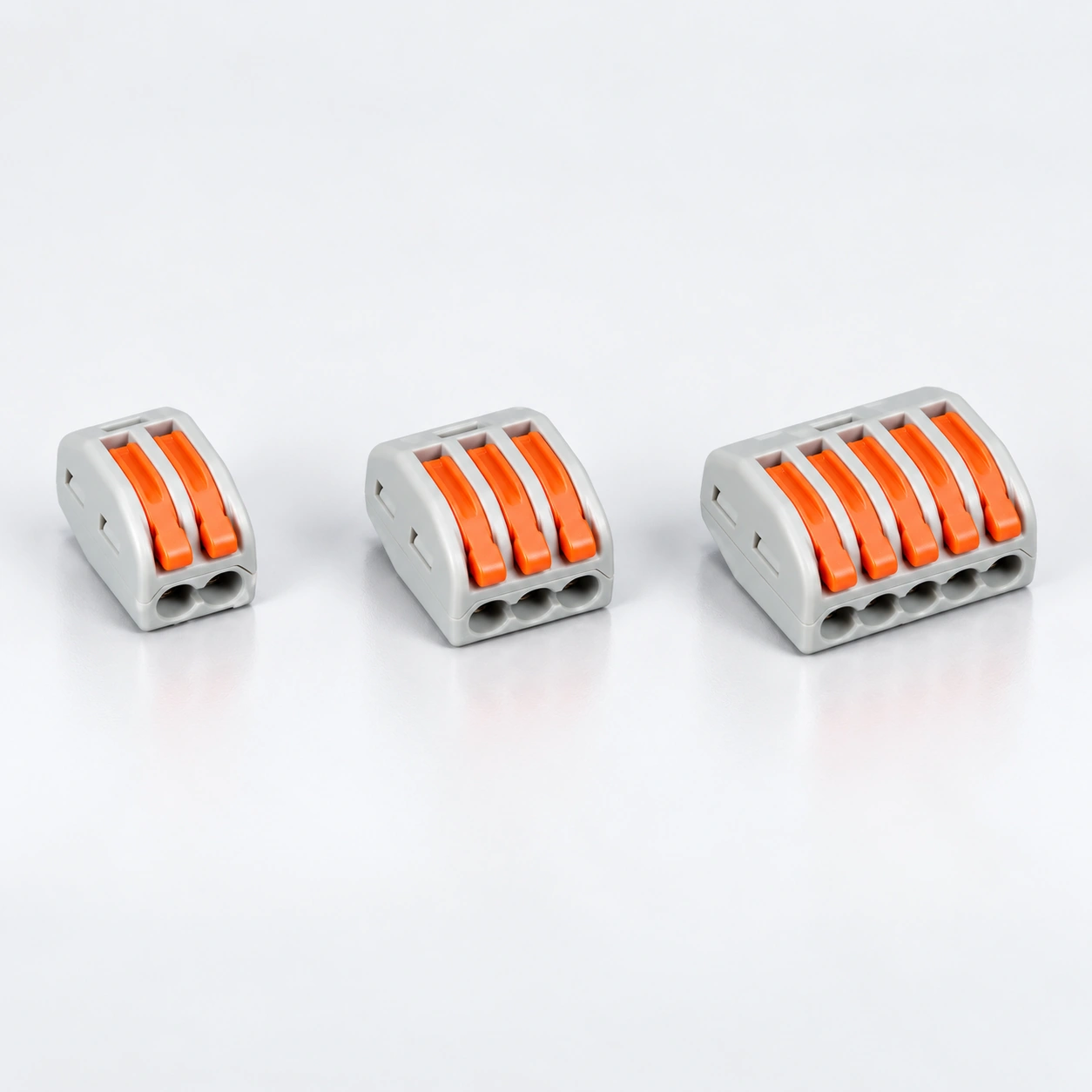
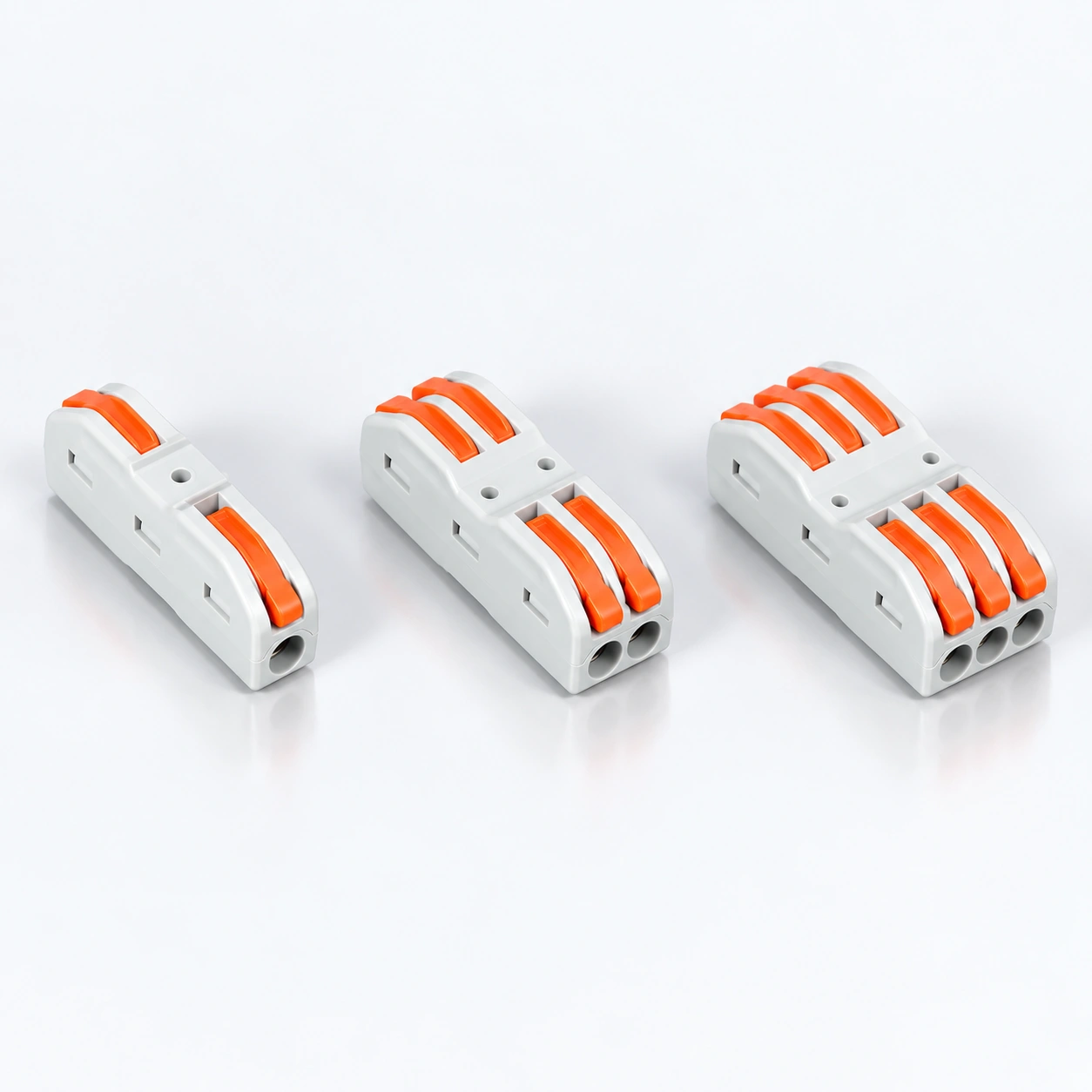
| Lever wire connectors | Open and close the conductor clamp using the lever. Compare compact, inline and multi-port bodies; approved wire construction and strip length depend on the model. | PCT-412 · LT-612 · 222-41x · 225-41x |
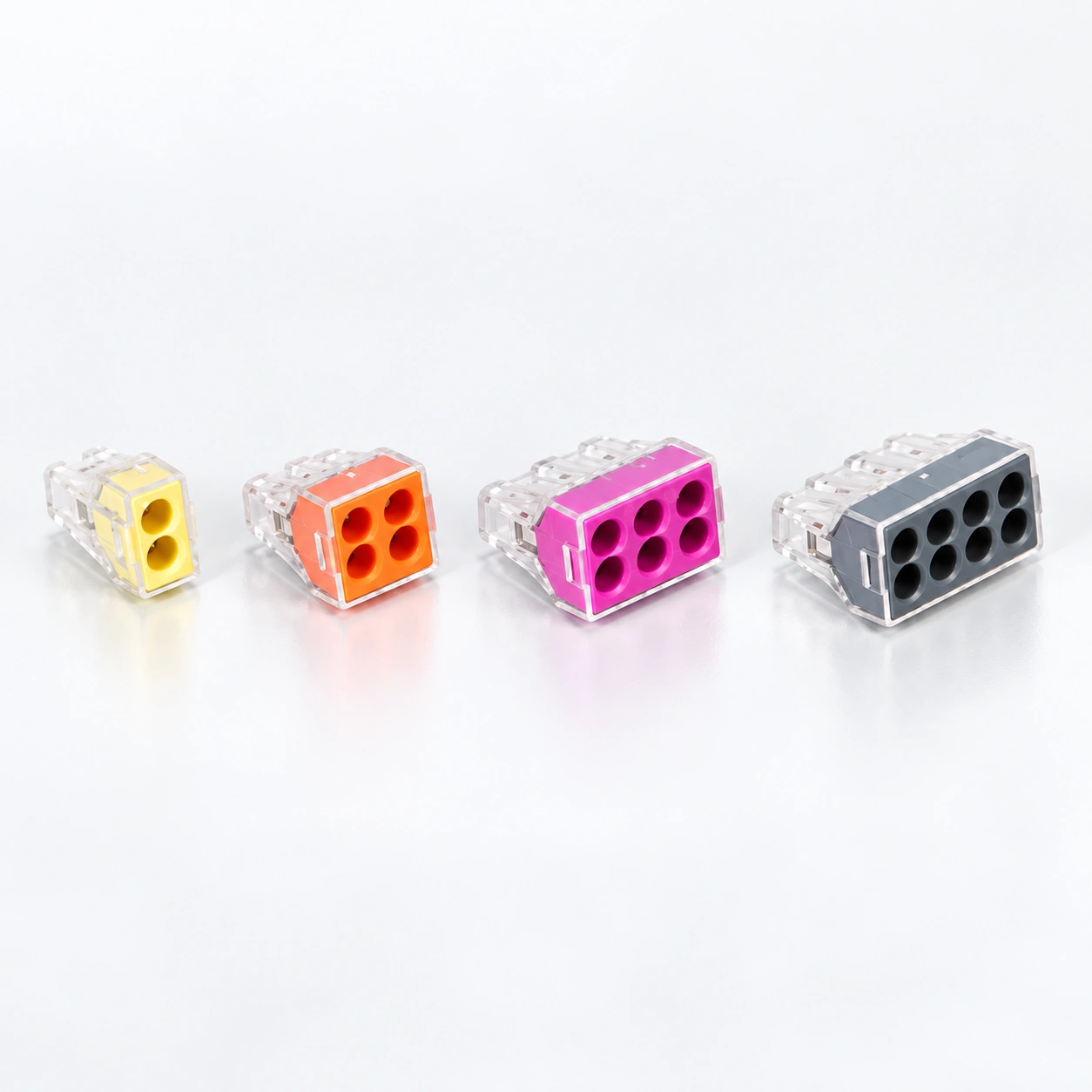
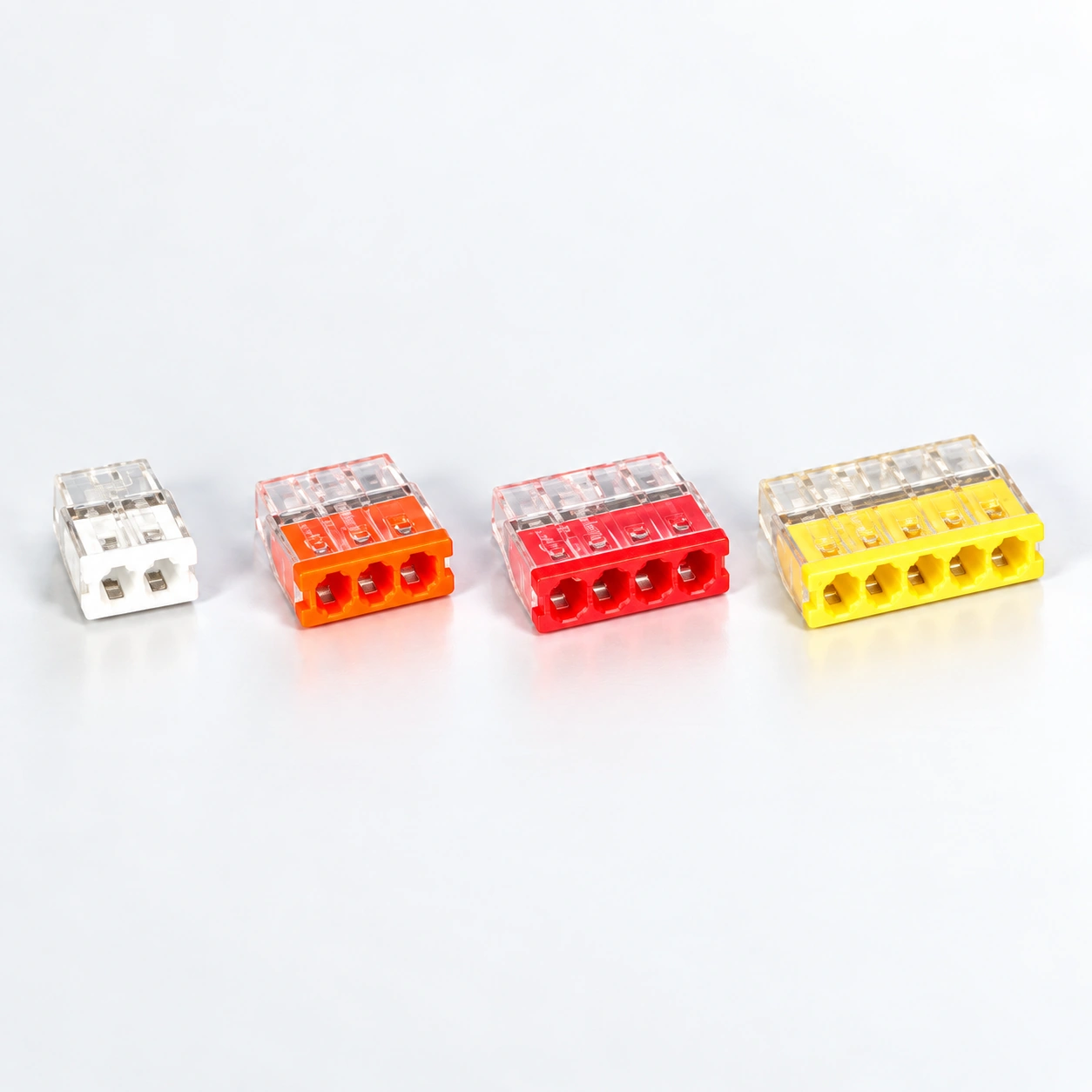
| Push-in wire connectors | Choose by the listed conductor class, cross-section and number of entries. A suitable solid-wire connection does not establish suitability for fine-stranded wire. | 772 · 773-10x · 773-60x · 773-173 |
| Inline & branch connectors | Compare end-to-end joints, detachable bodies and main-line taps. Specify the main conductor and branch separately for no-strip tapping formats. | PCT-112 / 112D · LT-T1 / T2 · HJ-25 · YC-T |
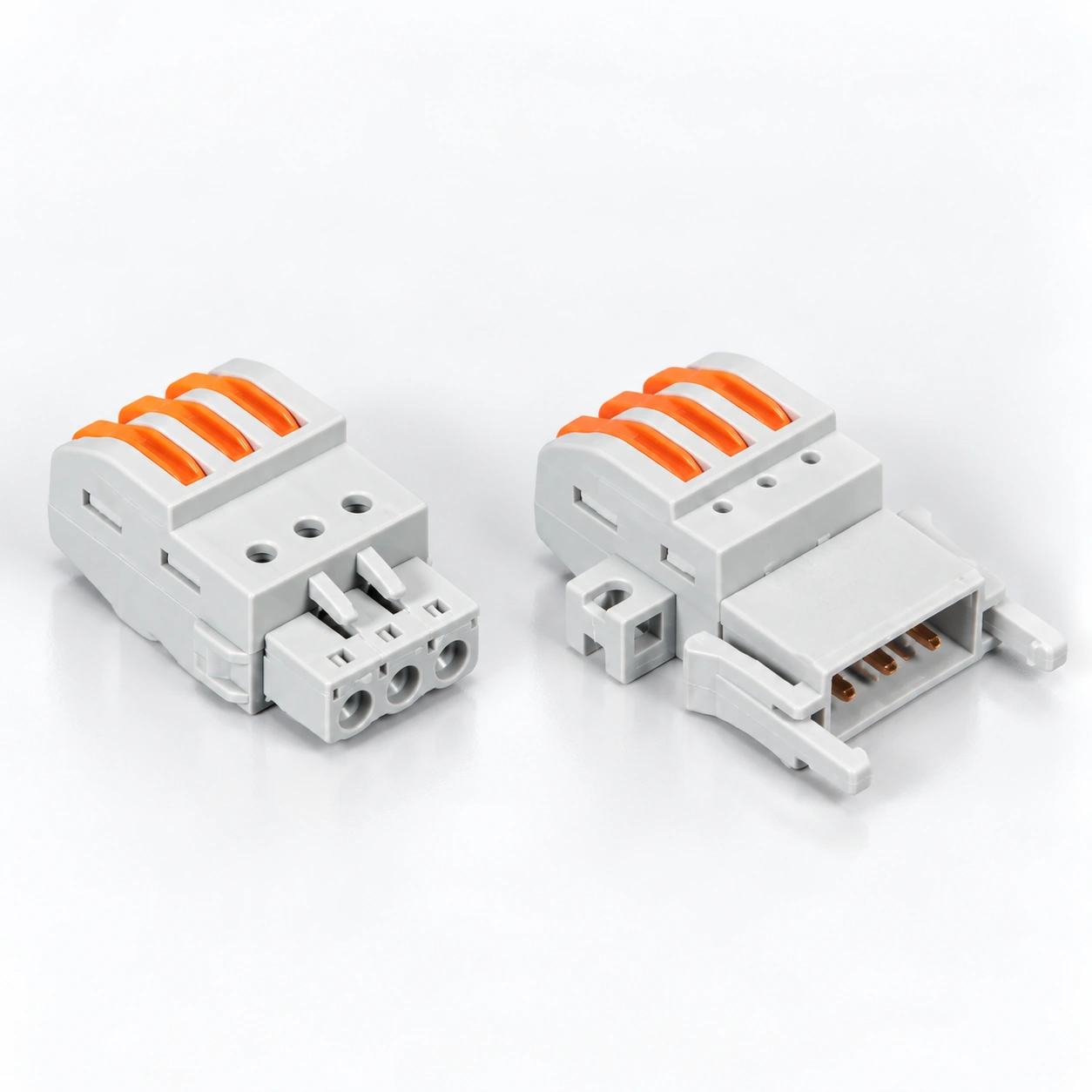
| Lighting & button connectors | Match supply-side and fixture-side wire requirements, mounting holes and any separate grounding arrangement. Entry capacities can differ within one connector. | 224-101 / 201 · B06 · B08 · B08A |
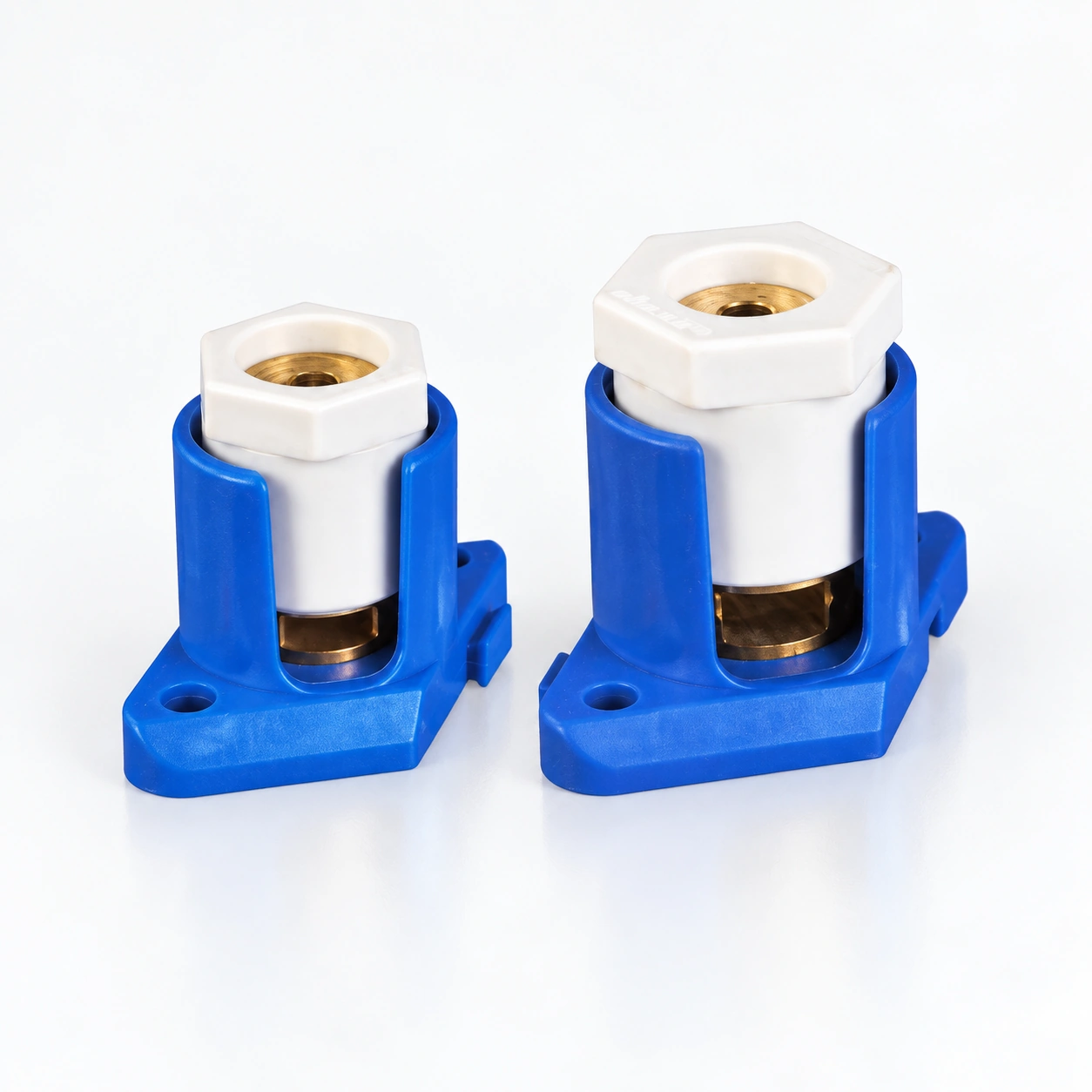
| Mounted & special-function terminals | Check mounting feet, body width and the circuit diagram. Fuse accommodation, spring-pin terminals and rail-mount bodies have different installation requirements. | LT-TB1X D · LT-PTF · KZ8 · KZ17 |
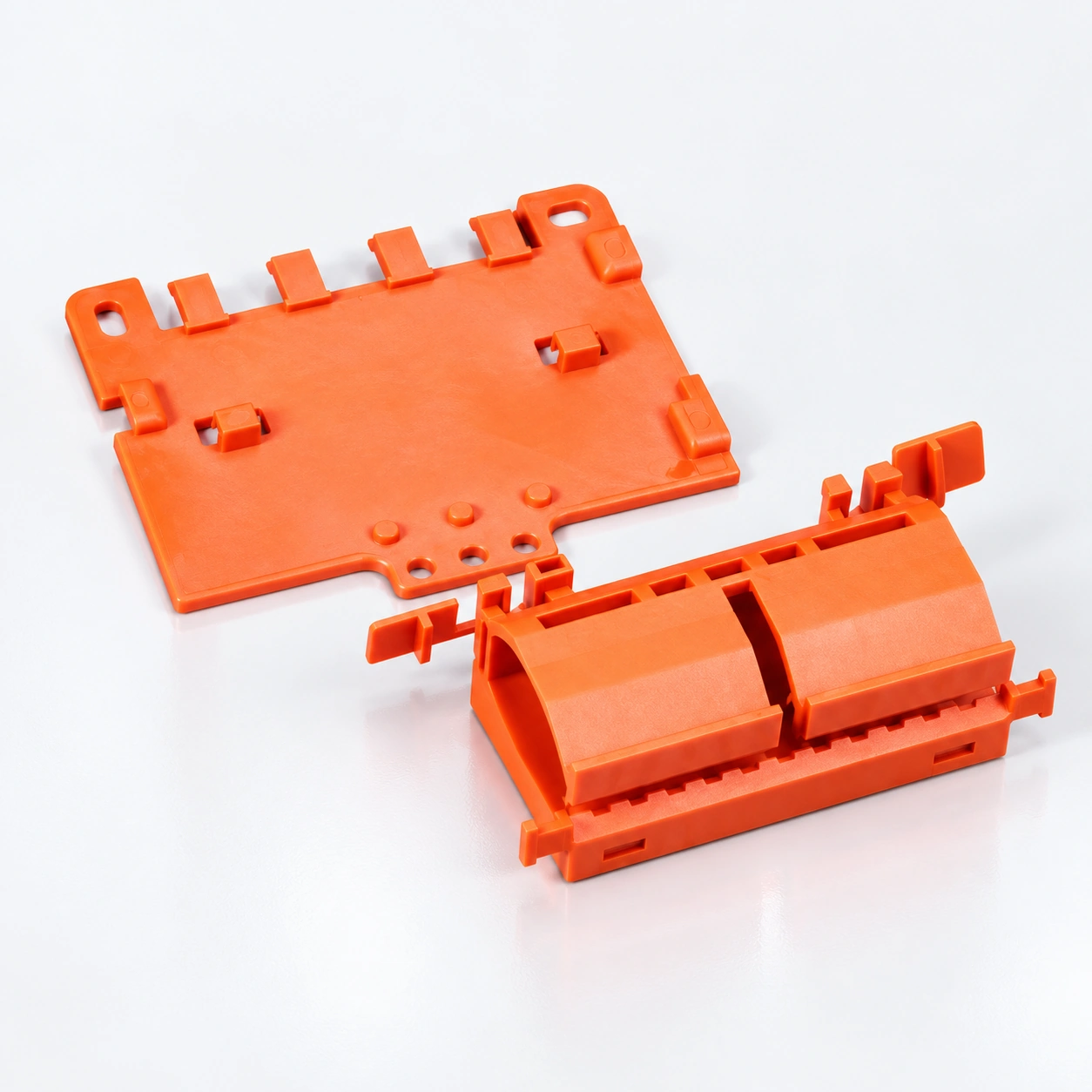
| Splicing connectors & accessories | Additional screw-junction, fast-splice and wire-nut formats remain available. Order 222 mounting brackets and protection plates against the matching connector. | YC017 / 026 / 027 · 801P3 · 878 · SP · 222-500 / 505 |
Wire connectors are not selected by the number of holes alone. Check the complete model specification and how its connection points are linked.
Specify solid, stranded or fine-stranded conductors and the cross-section for each entry. Follow the listed preparation and strip length; do not assume ferrules are required or permitted for every model.
Confirm which entries share electrical continuity and which circuits remain separate. A catalogue P designation or an opening count is not sufficient proof of the circuit arrangement.
Match current, voltage and operating temperature to the same selected model and rating system. Do not combine values from separate IEC and UL reference columns or treat catalogue references as certification evidence.
Check available space, fixing holes, rail or bracket fit and access to levers. Ordinary wire connectors must not be assumed waterproof; specify an enclosure or a documented sealed version where required.
Send connector models, conductor sizes and construction, circuit layout, mounting requirements and quantities. Include a drawing or a photograph when replacing an existing connection.
Prepare an enquiryAgree the specification and required evidence before placing your order.
Explore manufacturingList the complete connector code, body variant, colour where relevant and quantity. Include brackets, plates and mating parts as separate items.
Provide each conductor's size and construction, the number of entries and the required common or isolated connections.
State electrical load, temperature, mounting dimensions and enclosure conditions. Confirm model-specific documentation and sample fit.
Specify your part references, pack quantities and destination. Agree required drawings and supporting evidence before order approval.
OEM & PACKING
Build your wire connectors order around the selected models, identification and supply requirements.
List the complete connector code, body variant, colour where relevant and quantity. Include brackets, plates and mating parts as separate items.
Provide part numbers, label artwork and any batch or traceability information required for the order.
Specify quantities per model, individual packs, outer cartons and delivery destination.
A lever connector provides an actuator for opening and closing its clamp. A push-in connector accepts the specified prepared conductor directly. Supported conductor types, removal instructions and reuse conditions must be checked for the exact model.
No. The range includes different conductor requirements. For example, the 224 lighting series lists separate supply-side and fixture-side entries. Check the selected model and each side of the connection.
Not necessarily. The range includes common splicing points, inline formats and multi-circuit assemblies. Confirm the circuit diagram; do not interpret a P designation as a universal pole or commoning definition.
No. UK-style modular screw terminals have a separate DIN Rail Terminal Blocks family. Some lever connectors on this page have mounting feet or brackets, but their mounting and circuit arrangements must be checked individually.
No. Do not infer protection from an enclosed-looking body. The C2 listing distinguishes waterproof and non-waterproof versions; specify the exact version and request its assembled protection details.
No. Fuse accommodation does not establish the fuse supplied, its breaking capacity or suitability for the circuit. Specify the required fuse and confirm the complete assembly separately.
Similar names or appearance do not establish identical ratings, dimensions, certification or mating compatibility. These are YOCL listings; evaluate the exact supplied product and its supporting documentation.
Those use different selection criteria. Crimp sleeves are covered in Cable Splice Connectors, while cable-to-panel and mating waterproof assemblies are covered in Waterproof Connectors. This page focuses on wire joining and equipment connection formats.
Send connector models, conductor sizes and construction, circuit layout, mounting requirements and quantities. Include a drawing or a photograph when replacing an existing connection. Include the exact model quantities, delivery destination and required documentation.
Send your part numbers, label artwork, pack quantities and shipment requirements. Feasibility, sample requirements, minimum quantities and lead time are confirmed for the requested models.