
Nylon cable ties
General wire bundling
Compare strap dimensions, loop strength and head clearance. Confirm the material grade for temperature and exposure.
YOCL · CABLE MANAGEMENT
Nylon, stainless steel and specialist cable ties for distributors, equipment manufacturers and harness assembly. Compare the product families below, then send your model, dimensions and order quantity for a quotation.
For distributors, OEM purchasing and industrial projects.
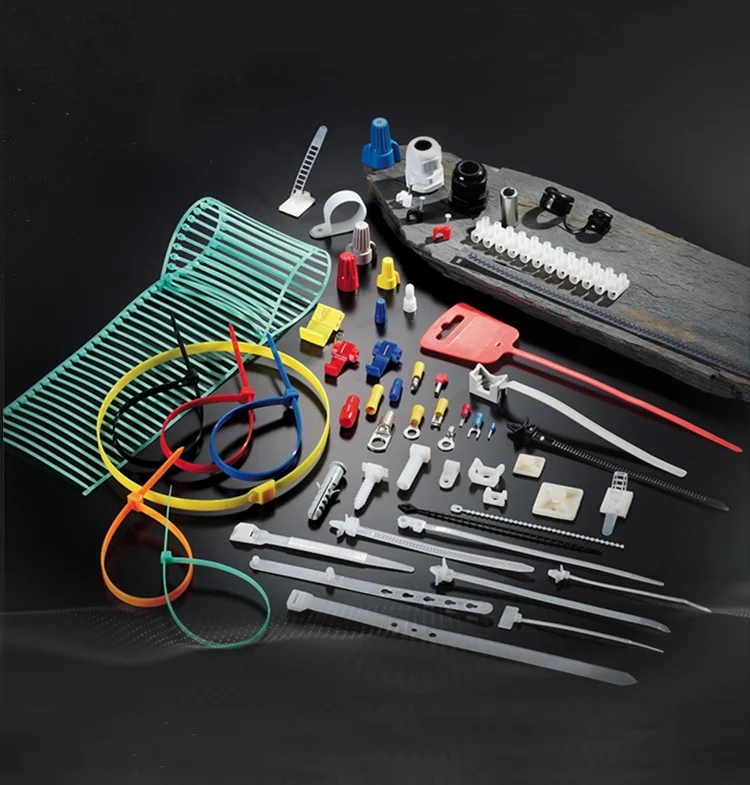
THE PRODUCT RANGE
Choose a locking style or fixing method. Explore each family for its available series and dimensions.
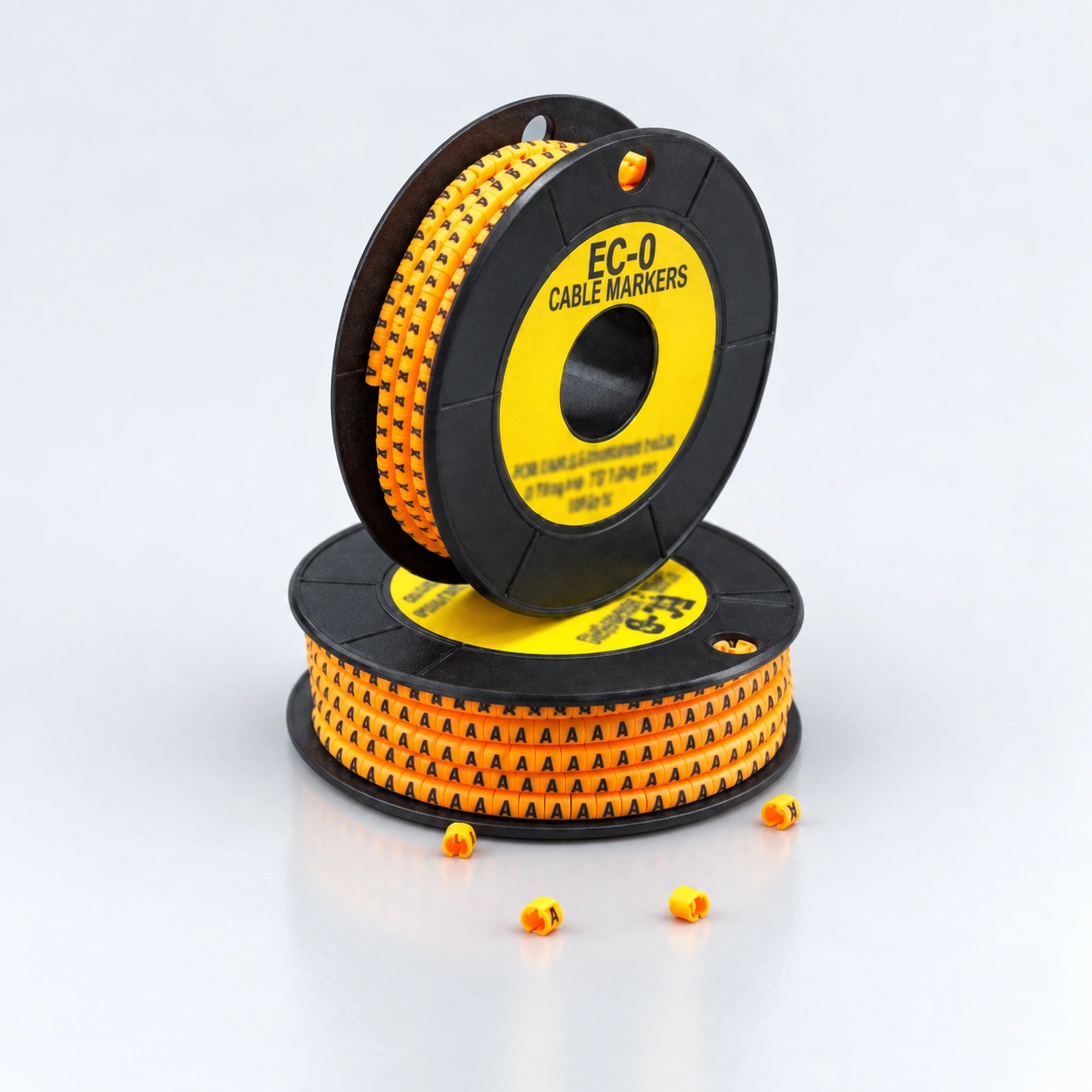
PVC, clip-on and heat shrink identification, plus marker strips and holders.
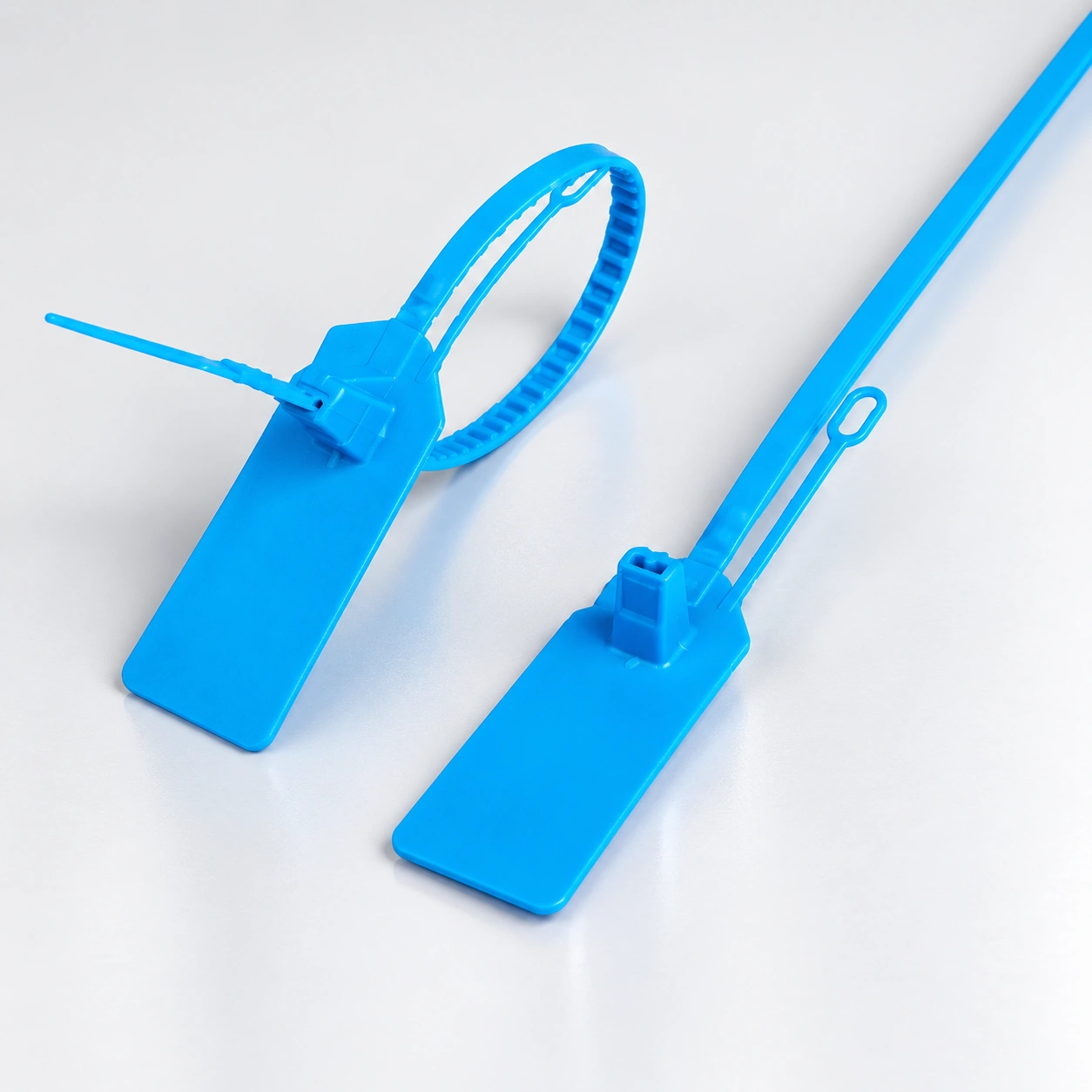
Closure identification with model-specific printing and numbering options.
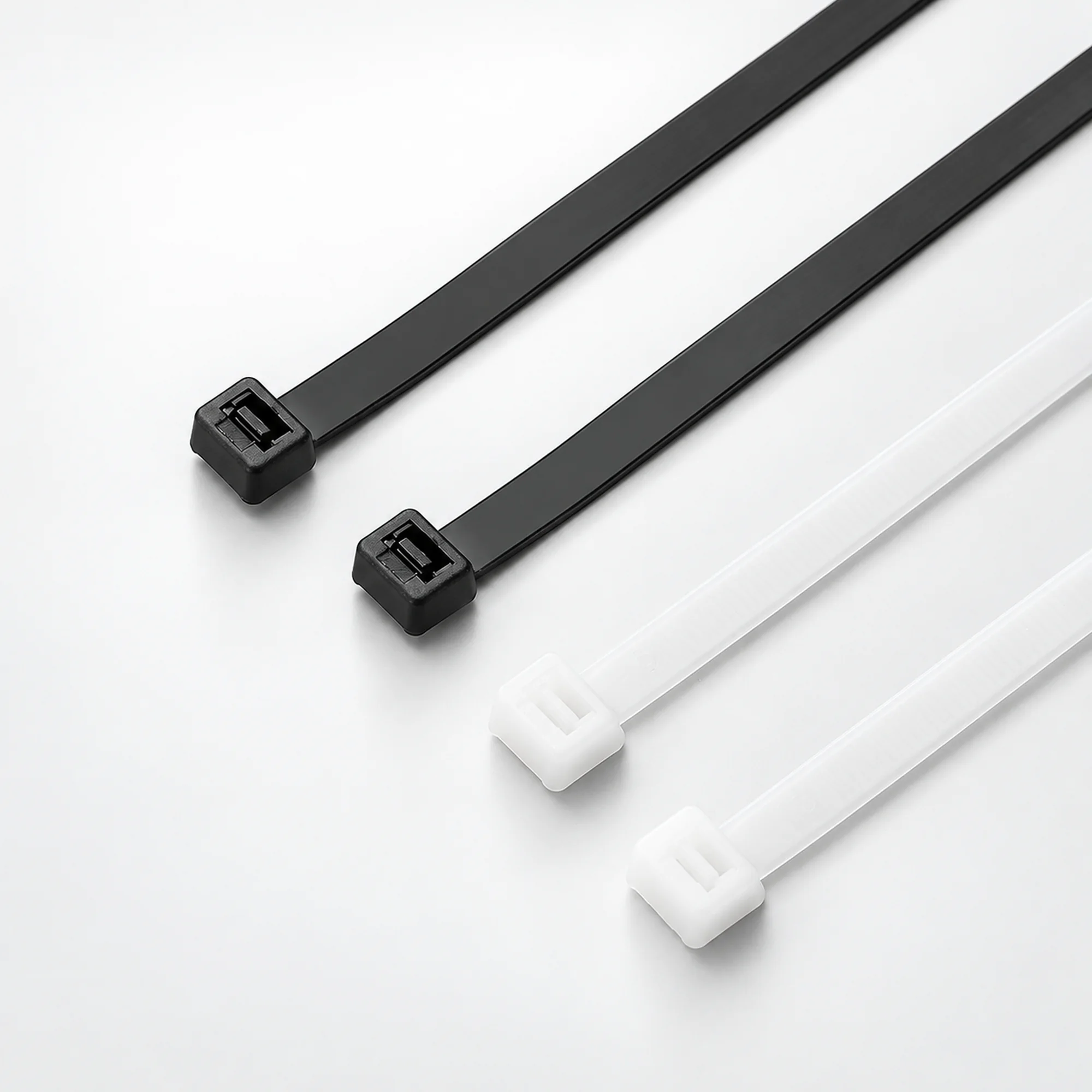
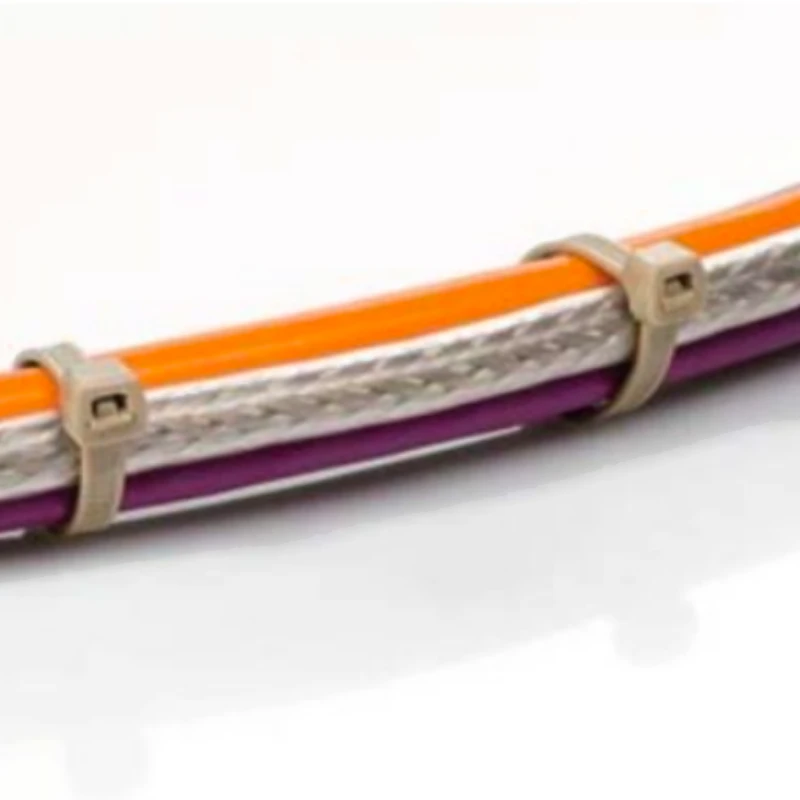
Bundle wires and cables with a size and locking design matched to the job.
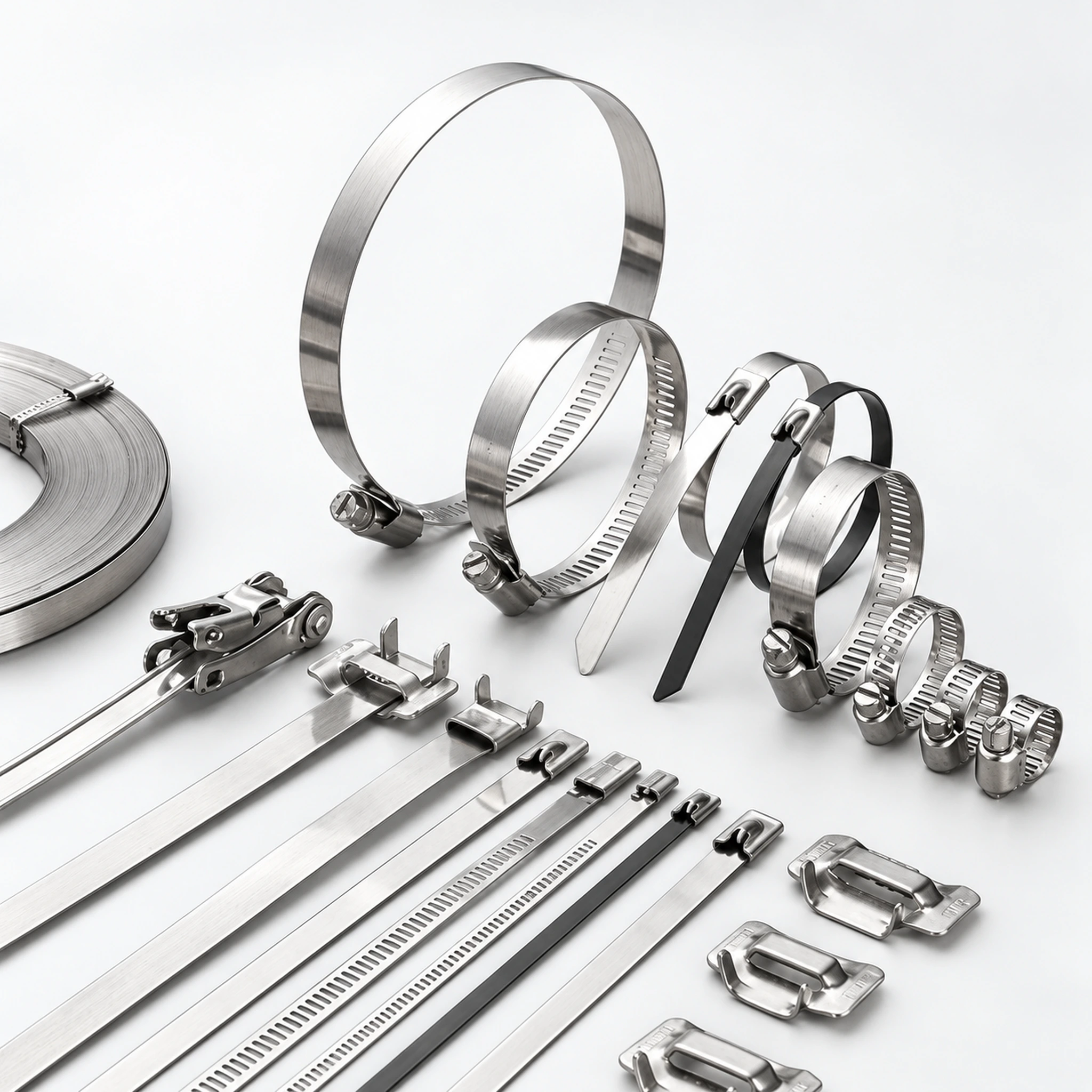
Compare metal locking designs, steel grades and coated options.
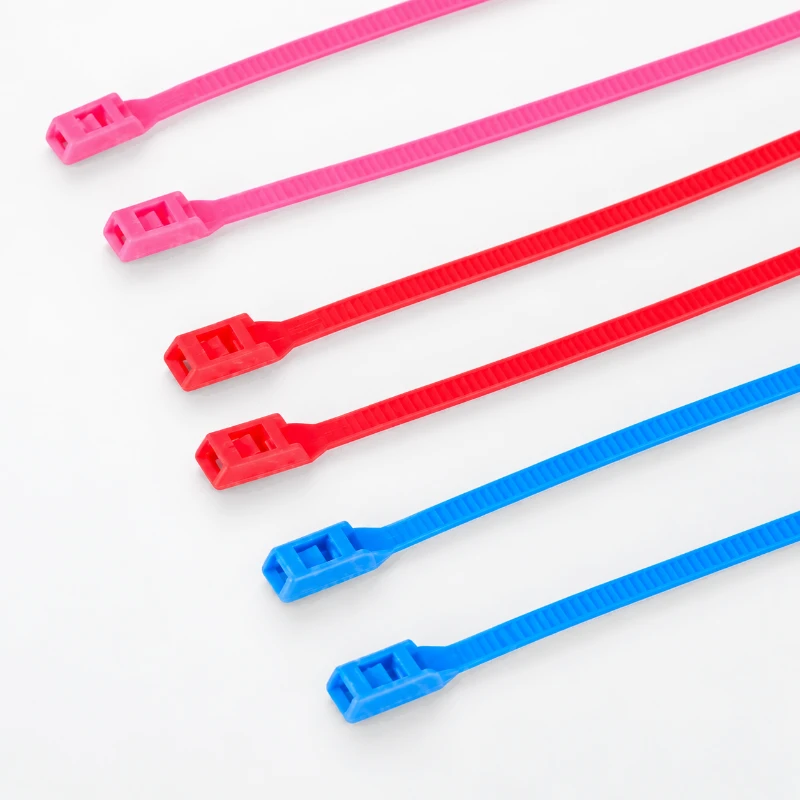
Keep bundles accessible with a release mechanism suited to repeat access.
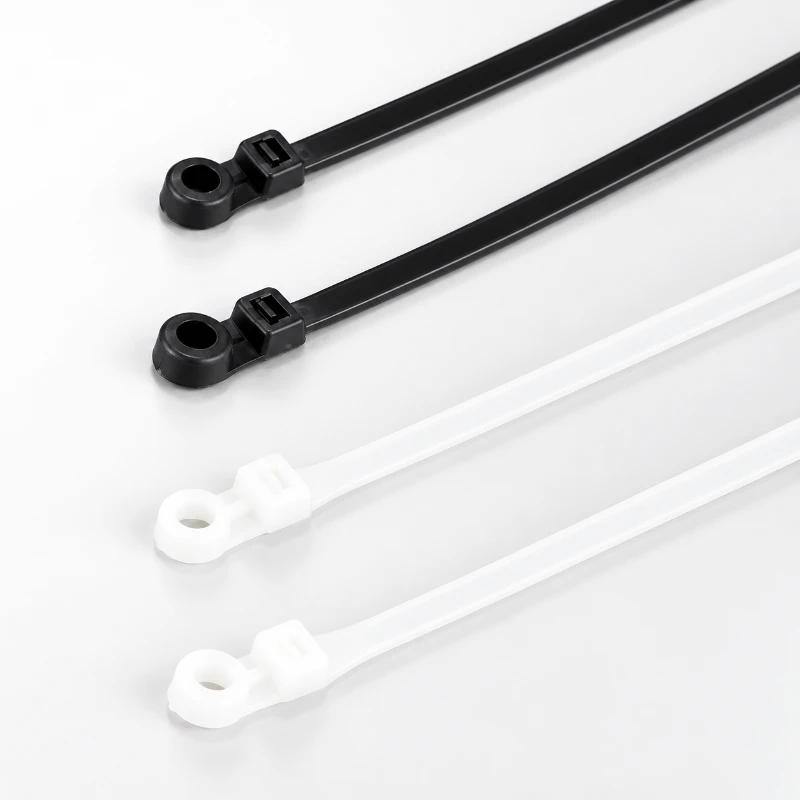
Secure a bundle to a fixing point with an integrated mounting feature.
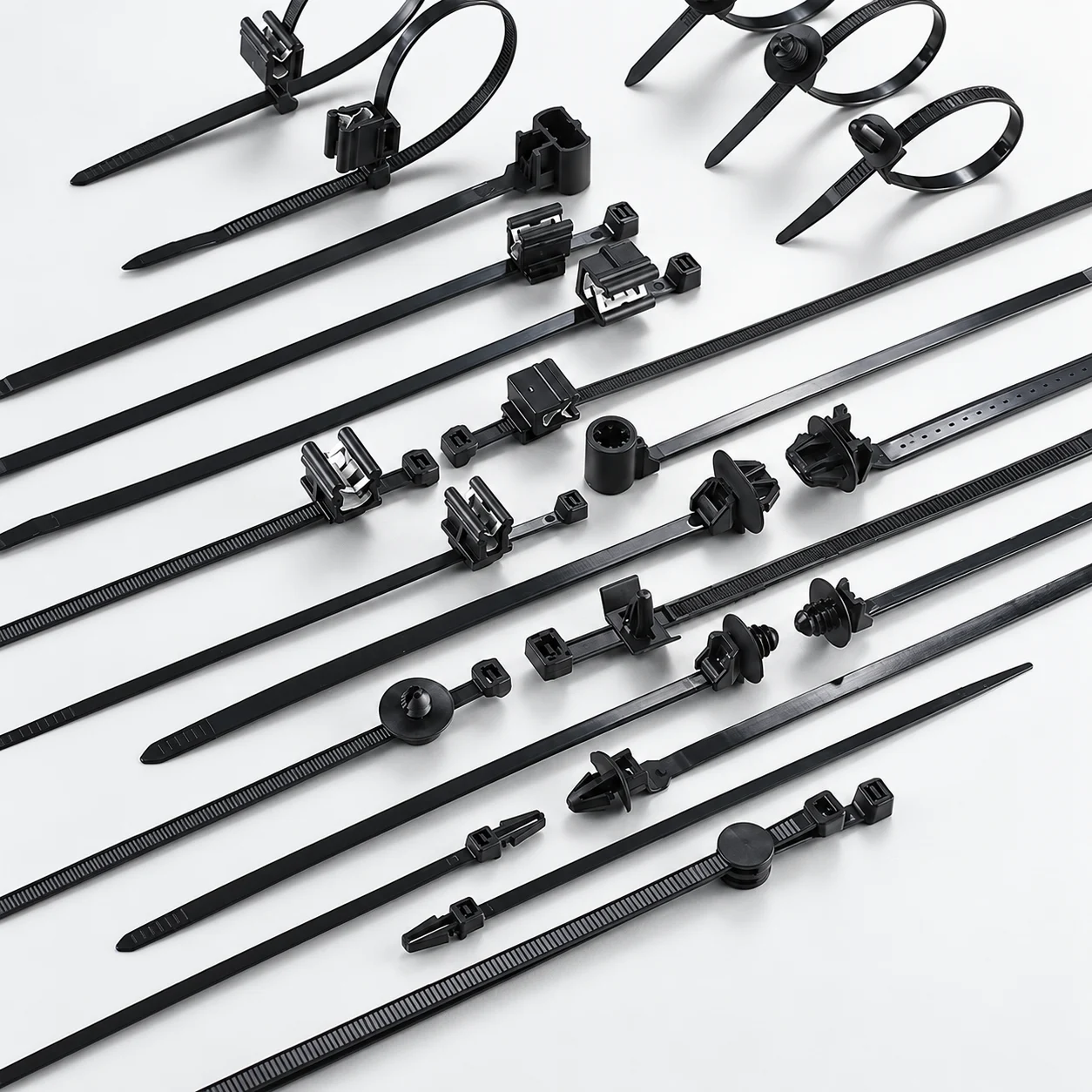
Route harnesses using panel-hole, edge or stud fixing designs.
Explore material-specific and detectable options for defined requirements.
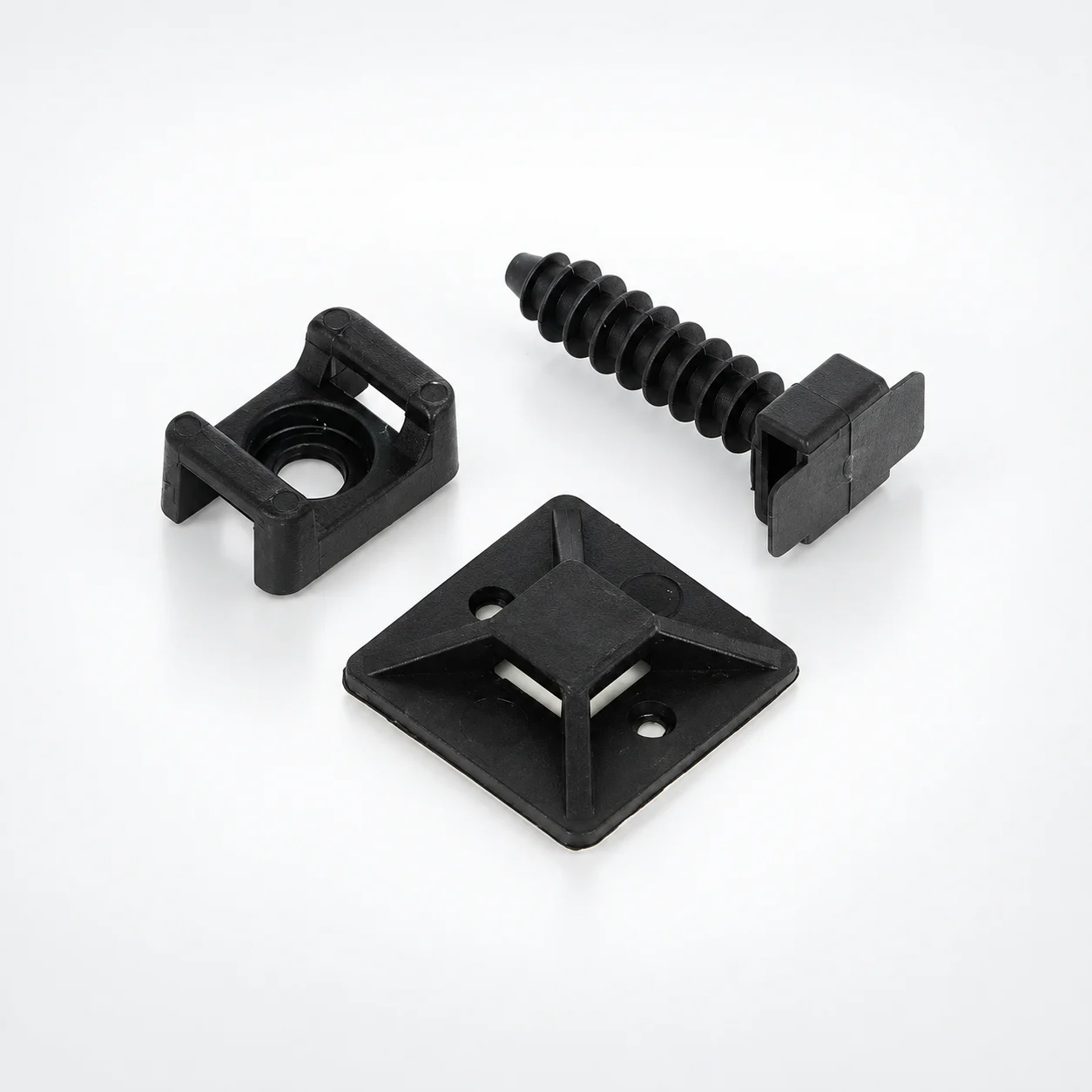
Add a separate base to position and support your cable tie.
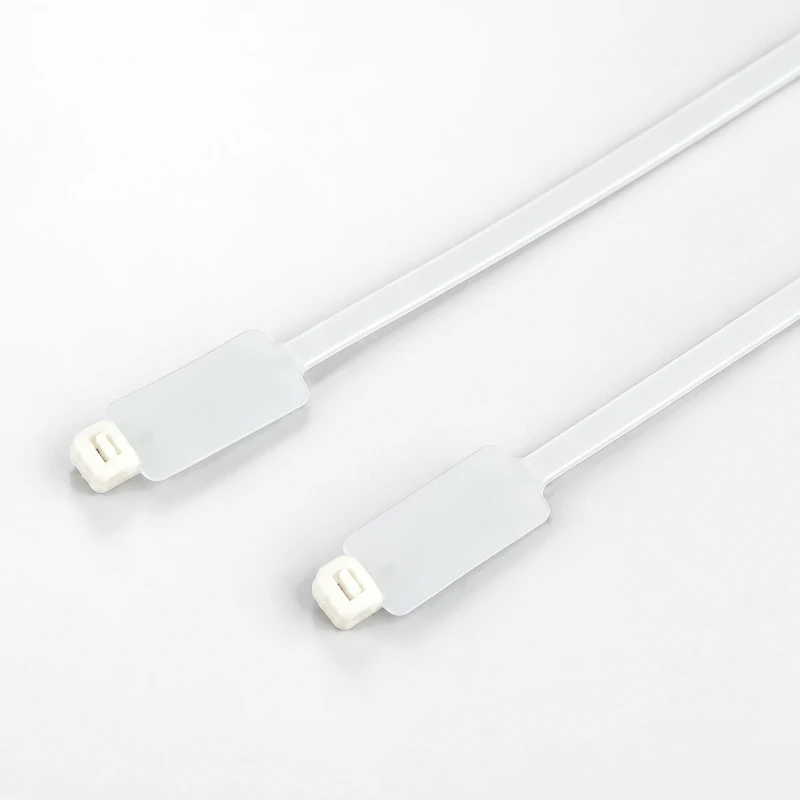
Identify bundles with an integrated flag or marking area.

Position individual cables, tubes or bundles with dedicated fixing styles.
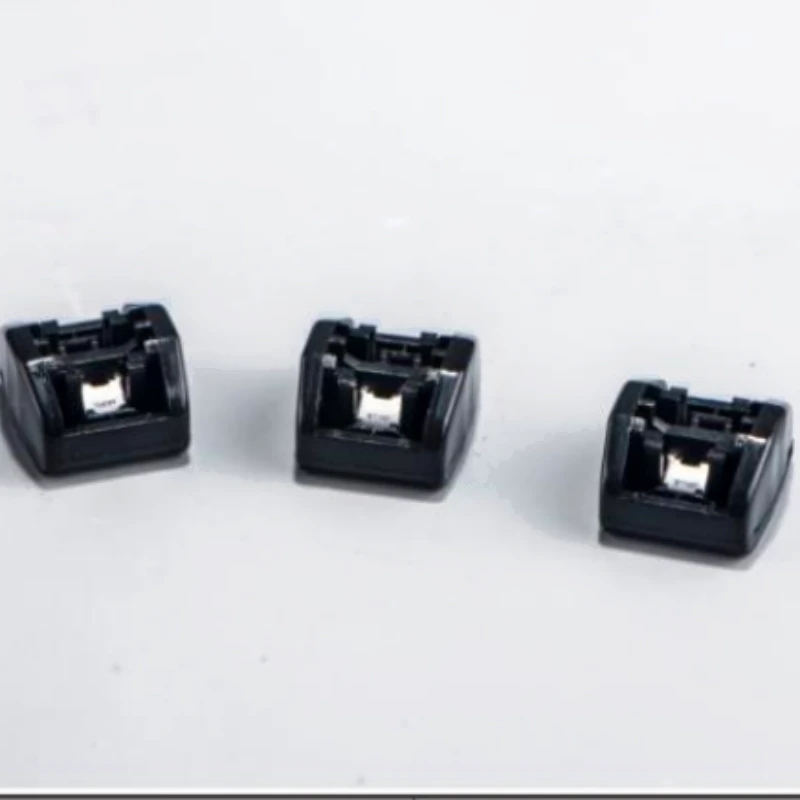
Match separate locking heads and accessories to the selected tie.
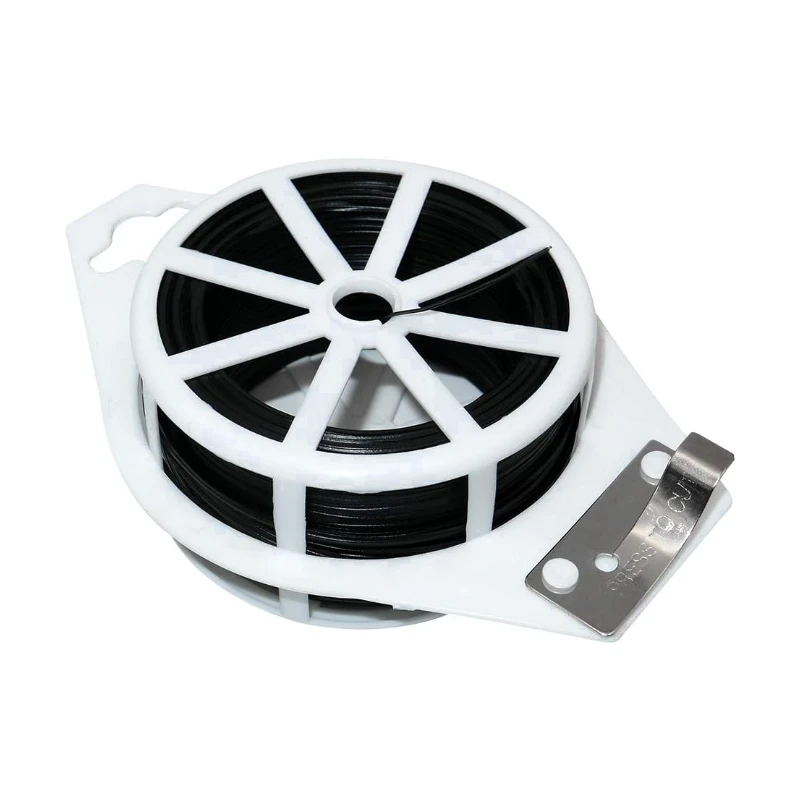
Compare wire-core and coreless styles for grouping cables.
General wire bundling
Compare strap dimensions, loop strength and head clearance. Confirm the material grade for temperature and exposure.
Material-specific installations
Compare steel grade, locking mechanism and coating. Check the complete tie specification against the service conditions.
Bundles that need access
Check the release mechanism and room to operate it. Confirm reuse instructions for the selected series.
Bundling with a fixing point
Match the panel hole, screw, edge or stud first, then check bundle capacity and routing.
APPLICATION-LED SELECTION
The same tie length can suit very different fixing arrangements. Match the bundle, attachment point and environment together.
Measure the largest bundle diameter, available head space and tie width. Use the selected model’s bundle range; overall strap length alone does not establish fit.
Identify the mounting hole, panel thickness, edge, stud or separate base. Check tie orientation and access for installation, release and maintenance.
Specify sunlight, temperature, moisture and chemical exposure. Choose against documented suitability for the exact model, not colour or a broad product category.
Decide whether the bundle needs reopening or a marking area. Check the required loop tensile strength separately; it is not a lifting-load rating.
BEFORE THE BULK ORDER
Agree what needs to be checked before selecting a sample or accepting a shipment. Request evidence for the exact model and material, not only a general catalogue claim.
Discuss your quality requirementsDefine strap width, length, head dimensions and allowable variation. Review edges, serrations and the locking feature on the sample.
State the required test method and acceptance value. Agree the sample conditioning and test conditions where relevant.
Identify the material grade and required temperature, UV or chemical evidence. A resin classification does not certify every finished product.
Specify count per bag, label content and any batch-identification requirement. Agree inspection and documentation requirements in the purchase specification.
DISTRIBUTORS & OEM BUYERS
Put the product, packaging and delivery requirements into one enquiry. Custom requests are reviewed for feasibility and minimum quantity.
List the selected model, colour and quantity for each size. Add your reference drawing where a replacement needs matching.
Send pack quantity, artwork, barcode and carton label requirements.
Provide the destination, required delivery date and reorder schedule. Confirm lead time and shipping terms with the quotation.
Model, dimensions, material, quantity and destination.
Confirm MOQ, price, packing, sample terms and lead time.
Check fit, lock and the agreed acceptance requirements.
Approve the specification, documentation and delivery terms.
Related reading: See OEM and private-label cable tie requirements.
BUYING CABLE TIES
Need a specific model or packing arrangement?
Request a cable tie quoteSend the model or tie length and width, maximum bundle diameter, material, colour and quantity per size. Add delivery destination, packaging requirements and any required test documentation. A drawing or reference part helps with replacement enquiries.
MOQ depends on the selected model, size, colour and packaging. Include quantities for each item in your enquiry and request written confirmation. Do not assume the same minimum applies to standard and custom-packed orders.
Ask for sample availability for the exact model and agree sample costs, shipping and acceptance criteria before ordering. Check fit and locking action on the actual bundle, not only the dimensions on a drawing.
No. Colour alone does not establish UV resistance. For outdoor use, request the material grade and model-specific performance information for the intended exposure and service life.
No. The GT catalogue lists minimum loop tensile strength in kgf and lb. These values are not rated lifting loads and do not approve a lifting or safety-critical application.
Send your bag artwork, label details, quantity per size and preferred packing arrangement. Private-label and mixed-size requests need feasibility, MOQ and packing confirmation in the quotation.
Specify the documents your project needs and ask for evidence covering the exact product and material configuration. A material flame classification is not the same as independent certification of every finished tie.
Request lead time and shipping terms with the quotation. Timing depends on the confirmed specification, quantity, packaging and destination; confirm the schedule before placing an order.